


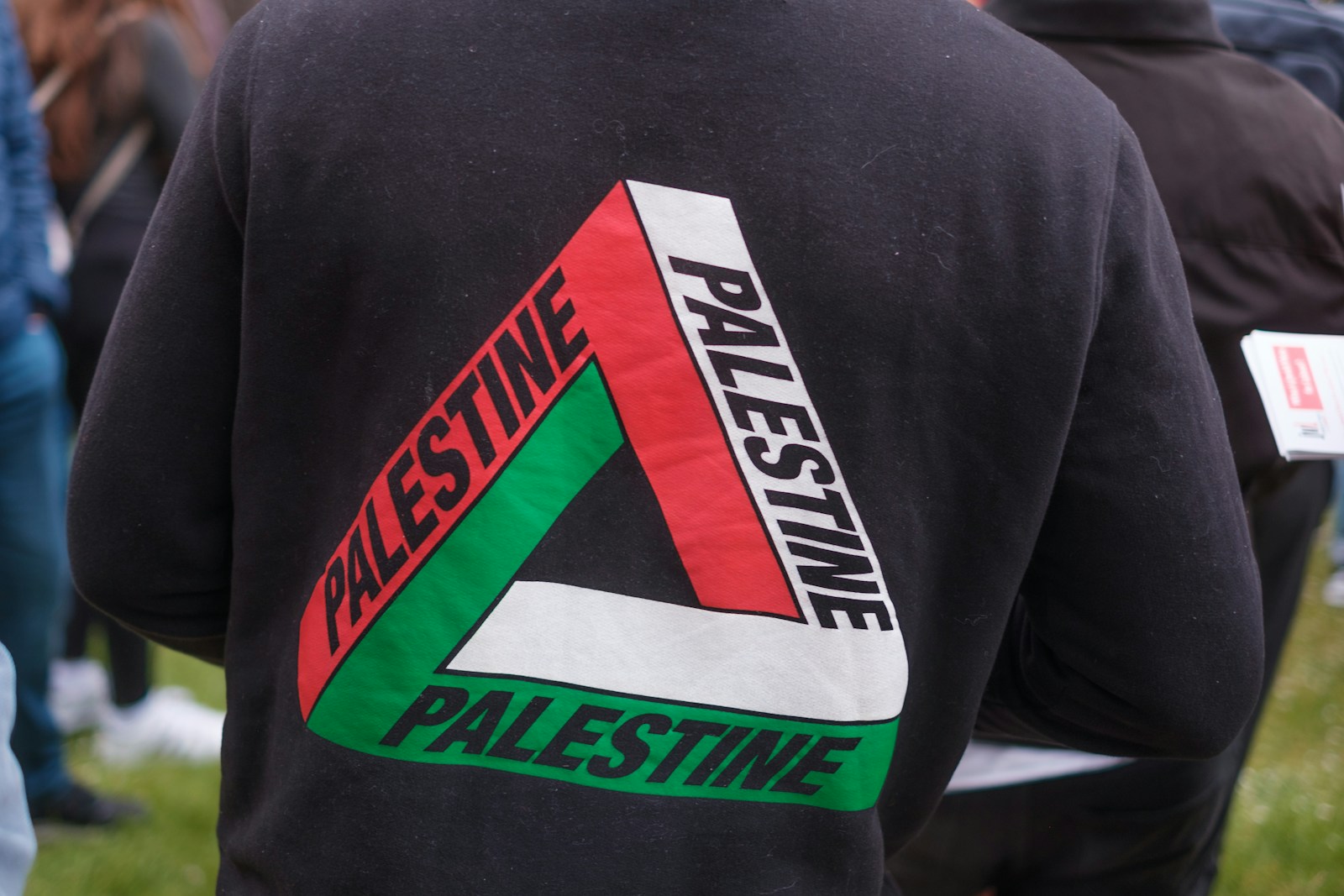
HOUSTON — November 4, 2025 — A coalition of pro-Palestinian activists staged coordinated demonstrations across Houston’s industrial east side on Monday, briefly halting traffic near the Port of Houston and disrupting freight access in what organizers described as a “non-violent act of solidarity.” The protests are part of a wider national movement aimed at spotlighting U.S. economic ties to Israel during ongoing conflict overseas.
Demonstrations at Key Access Points
Shortly after sunrise, several dozen protesters gathered along the Lynchburg Ferry corridor and near multiple port terminals, carrying banners and chanting for an end to military shipments and economic trade connected to the conflict.
While the gatherings remained largely peaceful, the temporary blockades forced port security to reroute inbound trucks and delay several cargo operations for roughly two hours. Law enforcement officers cleared intersections by mid-morning and reported no serious injuries.
Police confirmed that several individuals were detained for blocking roadways and failing to disperse but emphasized that the majority of demonstrators complied when warned. Port operations resumed by early afternoon, though backlog delays continued through the evening.
A Broader Movement
Monday’s demonstration was one of several simultaneous actions across U.S. ports, including those in Los Angeles, Seattle, and New York. Organizers described the effort as part of a decentralized campaign to interrupt trade routes and raise awareness of humanitarian conditions in Gaza.
In Houston, the coalition — composed of students, interfaith groups, and local human-rights organizations — emphasized that the protest targeted supply chains, not individual workers. “We want to make people think about where goods come from and what our trade dollars support,” one participant said through a megaphone.
Port of Houston’s Response
Officials at the Port of Houston described the event as a “temporary disruption” and reiterated their commitment to safety and commerce continuity. Security teams activated established protest-management protocols, coordinating with Houston Police, the Harris County Sheriff’s Office, and the U.S. Coast Guard to contain activity and maintain access for essential shipments.
Economic analysts noted that the Port of Houston, one of the nation’s busiest for energy and petrochemical exports, remains particularly sensitive to any operational slowdown. Even short interruptions can reverberate through trucking and refinery logistics, affecting both local and international supply networks.
Political and Community Reaction
Local elected officials struck a cautious tone, acknowledging residents’ right to protest while stressing the importance of maintaining public safety. Several community leaders called for continued dialogue rather than confrontation, highlighting Houston’s deep ties to global trade and its large, diverse population.
Meanwhile, counter-protesters gathered in small numbers outside City Hall, expressing frustration that economic disruptions were being used as political tools. “The port supports tens of thousands of Houston families,” said one participant. “Hurting those workers doesn’t help anyone overseas.”
The Human Dimension
Beyond political messaging, the demonstration tapped into deeper civic conversations about activism, economics, and global responsibility. Houston, as one of the nation’s most international cities, often becomes a microcosm of world tensions — a place where global conflict meets local conscience.
Sociologists at Rice University noted that such protests represent “the globalization of empathy” — where local communities feel compelled to act symbolically, even when far from the direct conflict.
Final Reflection
The Port of Houston protests highlight a growing intersection between foreign policy and domestic infrastructure. For some Houstonians, the blockade was an inconvenience; for others, it was a moral statement. As the city clears the congestion and workers return to their shifts, the larger question remains: how does a community sustain global awareness without paralyzing its own economy?