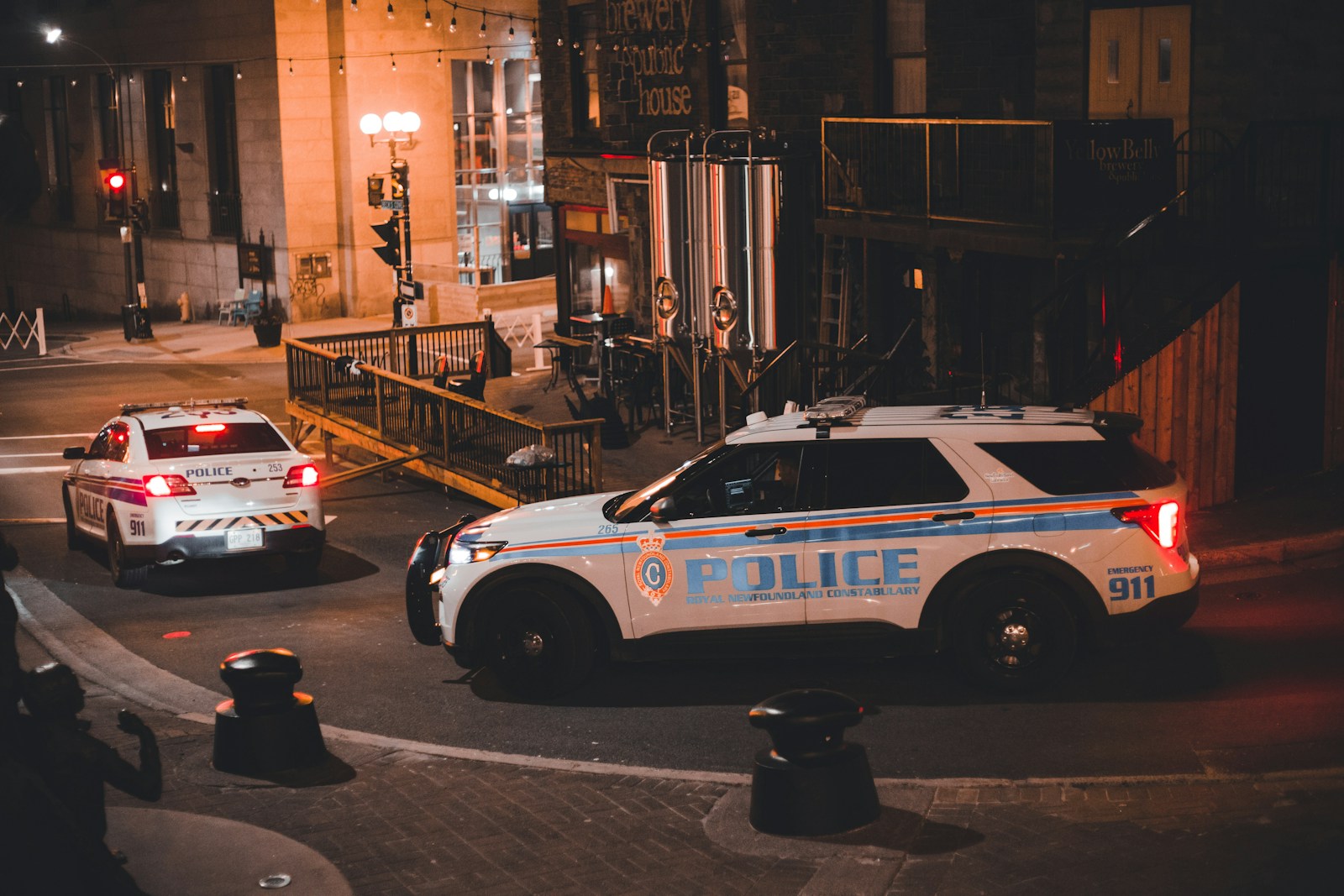
HOUSTON — November 4, 2025 — Newly released mid-year data from the Houston Police Department (HPD) shows a complex picture of public safety in the city: violent crimes such as homicides and aggravated assaults have declined, but property-related offenses — particularly auto thefts and catalytic-converter burglaries — have risen sharply.
The Numbers Behind the Shift
Through the first ten months of 2025, Houston recorded a 9 percent drop in homicides and a 6 percent reduction in aggravated assaults compared with the same period last year. However, vehicle thefts increased nearly 18 percent, and burglaries rose 11 percent.
Police Chief Troy Finner described the pattern as “a tale of two trends,” crediting targeted patrols and expanded technology for the improvement in violent-crime categories while acknowledging ongoing challenges in property-crime prevention.
“We’re making real progress where it matters most — keeping people safe from harm,” Finner said at a Monday briefing. “But we have to keep closing the gaps on thefts that affect working families’ livelihoods every day.”
Why Violent Crime Is Falling
HPD attributes the decline in violent incidents to several key strategies:
-
Gun-violence suppression units focused on repeat offenders and illegal-firearm trafficking.
-
Community-based policing in high-incident neighborhoods, emphasizing relationship-building and trust.
-
Expanded surveillance technology, including license-plate readers and predictive-patrol mapping.
Analysts note that the decline mirrors national trends in many large cities recovering from pandemic-era surges in violence.
Property Crimes Rising Fast
While fewer Houstonians are becoming victims of violent attacks, far more are losing vehicles, tools, and packages. HPD’s property-crime division reports a growing pattern of organized theft rings targeting catalytic converters, mail parcels, and construction equipment.
Detectives believe some of these operations are coordinated regionally, with stolen goods transported quickly to resell markets outside Harris County. In response, the department has partnered with neighboring jurisdictions and private-security networks to create a regional task force.
Residents in areas such as Sharpstown, Meyerland, and Kingwood have reported waves of overnight break-ins. Neighborhood watch groups are reactivating patrol rosters, and insurance claims have surged accordingly.
Community and Policy Response
City Council’s public-safety committee is weighing new ordinances to require stricter documentation for scrap-metal resales — a key step in curbing catalytic-converter thefts. Officials are also considering budget allocations for additional license-plate cameras and data-sharing systems.
In the meantime, HPD continues urging residents to take practical precautions: locking cars, removing valuables, and reporting suspicious nighttime activity.
A Wider Social Context
Criminologists at the University of Houston say the trends reflect an evolving post-pandemic urban landscape — less random violence, but more economic desperation and organized property crime. “The economic pressures driving theft are still real,” noted Dr. Kevin Ortega, a criminal-justice researcher. “Even as violent crime normalizes, financial stress and opportunity continue to shape what we see in property offenses.”
Final Reflection
Houston’s crime story in 2025 is neither purely encouraging nor alarming — it’s complicated. While fewer lives are being lost to violence, more residents are waking up to missing vehicles and stolen tools. The challenge for the city now is balance: sustaining progress on violent crime while addressing the quieter, persistent economic crimes that erode daily trust and quality of life.