
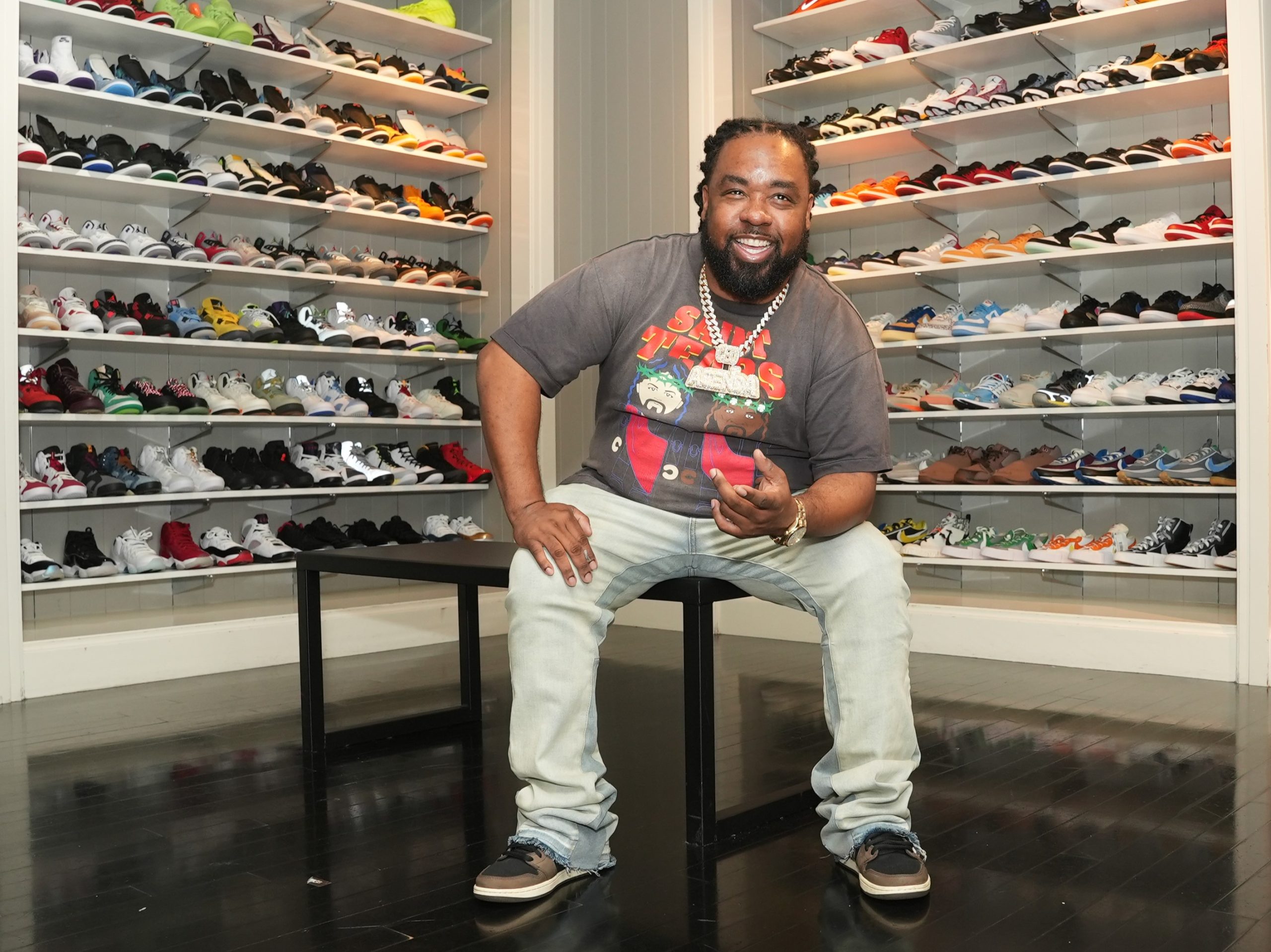
For years, sneaker culture was dominated by a handful of industry giants, each churning out reissued classics, recycled concepts and predictable collaborations. But something unusual has been happening in Houston, and the rest of the country is only now starting to realize it. A modest boutique tucked into the city’s creative corridor has begun influencing the direction of one of the most powerful sectors in fashion — and it’s doing it without shouting, without hype, and without the corporate polish that usually defines major brand partnerships.
Premium Goods, a locally loved sneaker boutique founded in 2004, didn’t set out to reshape the landscape. It began as a passion project, a place where streetwear devotees could find styles that big-box stores overlooked. Two decades later, its role has shifted from retail outlet to cultural lightning rod. The brand’s fingerprints are showing up in places that once seemed untouchable: on the design tables at global footwear companies, in internal trend reports, and even in the planning sessions behind new shoe silhouettes.
The story of how this happened begins with something deceptively simple: authenticity. In an era where large companies chase cultural relevance with frantic energy, Premium Goods never bothered to chase anything. The boutique’s owner built the store around her lived experience in Houston’s fashion and music communities. Instead of imitating trends from New York or Los Angeles, the shop leaned into the city’s own creative vocabulary, where sneaker culture is inseparable from car culture, hip-hop innovation, and the city’s historically rich Black creative scene.
That authenticity didn’t go unnoticed. When designers from a major athletic brand visited Houston several years ago to study regional style, they kept hearing the same name. Not stadiums, not malls — Premium Goods. That curiosity led to conversations, conversations led to collaborations, and collaborations sparked something far more significant: national visibility for a boutique that had never intended to scale itself into a corporate behemoth.
The turning point came with a recent high-profile sneaker release inspired by Houston’s SLAB culture, the iconic tradition of tricked-out candy-painted cars, elbows-out rims, and custom touches that speak louder than any marketing campaign. Designers studying the SLAB movement realized that they couldn’t possibly replicate the culture without engaging the Houston creatives who live inside it. So they turned to Premium Goods.
The boutique didn’t just consult on colors or material choices. It acted as a cultural interpreter, bridging the gap between a billion-dollar company and a hyper-local aesthetic that would have been mishandled by anyone trying to mimic it from the outside. The result was a shoe that didn’t feel like an appropriation or a gimmick. Instead, it felt like a statement — that Houston’s design culture is finally too influential to ignore.
The collaboration proved something even bigger: that the future of sneaker innovation might not come from corporate product labs but from localized creative hubs that actually understand the pulse of their communities. In other words, the next wave of inspiration for global brands is less likely to be manufactured, and more likely to be found in neighborhoods that companies once overlooked.
Premium Goods is now at the center of that shift. Without expanding its store footprint, without selling out to private equity, and without repositioning itself as an influencer brand, the boutique has become a creative consultant in an industry that historically dictated culture from the top down. Instead, the dynamic flipped. Now companies want to know what Houston thinks, what Houston wears, how Houston talks about style and identity. The city has become a muse, and Premium Goods is one of the few places capable of translating that inspiration into tangible product direction.
But what makes Premium Goods particularly disruptive is not just that it’s shaping design trends. It’s reshaping the power map of the sneaker world. Consumers are gravitating toward authenticity, toward stories rooted in real people and real communities. They’re tired of collaborations manufactured to feed quarterly profits, tired of recycled silhouettes marketed as breakthroughs, tired of brand partnerships that feel like they were negotiated in sterile boardrooms instead of actual cities.
Premium Goods embodies the opposite of that. Its influence didn’t come from chasing status. It came from serving its community. That alone is a radical reversal of how cultural influence used to work in fashion.
The boutique isn’t slowing down. More collaborations are in the pipeline, each reflecting Houston’s unmistakable fingerprint. Its reputation within design circles is growing, and even brands outside the footwear world are beginning to knock on its door. The question now is not whether Premium Goods will shape the future of sneaker culture, but how far that influence will extend.
For the first time in decades, the power structure of sneaker culture is being pulled away from towering corporate headquarters and into the hands of small, community-rooted creators. And Houston, a city long underestimated in the fashion world, is suddenly at the center of that shift.
Premium Goods didn’t just hijack the industry. It reminded everyone where culture actually comes from.
