
If you ask people outside Texas what defines Houston culture, you’ll hear the same recycled clichés: Beyoncé, barbecue, oil money, chopped-and-screwed music. What you won’t hear, at least not yet, is the truth bubbling under the surface. Houston’s streetwear scene has become one of the most powerful cultural engines in the country, reshaping fashion, music aesthetics, and even the visual language of national entertainment. And the rest of the United States is about to wake up to the fact that the next wave of pop culture isn’t coming from New York or Los Angeles. It’s coming from the Gulf Coast.
Walk through certain pockets of the city, from Montrose to the East End, and you’ll feel it immediately. Houston’s fashion identity isn’t the curated minimalism of the coasts or the trend-chasing theatrics of fast fashion. It’s loud, specific, and rooted in a style vocabulary that outsiders rarely understand on the first try. It blends the raw swagger of SLAB culture, the bold exaggeration of Southern hip-hop, and the eclectic confidence of immigrant-rich neighborhoods where fashion is not an accessory but a declaration. People dress with intention. They dress with attitude. Most importantly, they dress with story.
That creative ecosystem has spilled far beyond the city’s boundaries. What once lived in parking lots, block parties, thrift-to-studio pipelines and sneaker boutique meetups is now informing the look of national music videos, influencer branding kits, and even luxury fashion shoots pretending to “tap into the streets” for inspiration. But tapping in is an illusion. Houston is no longer the outsider. It has become the blueprint.
Part of that transformation comes from a new wave of local designers who operate more like directors than clothing makers. These aren’t just creatives sewing shirts or printing graphics. They’re architects of an aesthetic that blends nostalgia, futurism, aggression, and softness all at once. They use fashion to tell stories about the South’s complexity, about the pride and pain wrapped into the identity of a city that has never felt the need to ask for permission.
The rise of this scene didn’t happen because investors poured money into it. It didn’t happen because celebrities suddenly moved here or because a television show used Houston as a backdrop. It grew because the people who lived in these neighborhoods built a style culture from scratch, one that refused to imitate Hollywood or New York aesthetics just to be accepted. Instead, Houston developed its own rhythm, its own shapes, its own proportions, its own rule book.
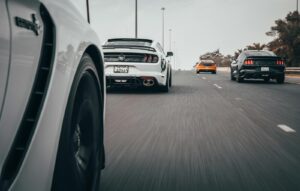
Take the fusion of high-end fashion with car culture, a pairing that would look ridiculous in most cities but feels completely natural in Houston. Chrome, candy-coat colors, oversized detailing and reflective materials show up in fashion designs across the city, not as gimmicks but as cultural signatures. Designers borrow from the mood and machinery of the streets. They remix materials the same way local DJs remix music. They create looks that don’t just sit on a runway but look like they should be stepping out of a customized ride on a Saturday night.
The entertainment world has caught on. According to stylists working behind the scenes in music and streaming productions, Houston aesthetics are quietly becoming the new shorthand for authenticity. If a character in a series needs a Southern edge, a bit of real grit, or that magnetic confidence that Southern creatives carry, wardrobe departments are pulling references directly from Houston streetwear brands and local photographers. The city’s influence is showing up even where audiences don’t realize it, from color palettes used in album covers to costume choices in emerging artist showcases.
But the real shift, the one that industry insiders can feel even if they don’t want to admit it, is that Houston’s style can’t be packaged or sanitized. It pushes back. It demands honesty from anyone who tries to imitate it. Several major brands have already misfired, attempting to recreate Houston’s energy without understanding the culture that built it. Locals notice immediately. And in an age where cultural authenticity is currency, that misstep can cost a company millions.
Meanwhile, Houston creatives move forward without waiting for acknowledgment. Pop-up shows, rooftop runway events, small-batch releases and multimedia fashion-meets-music experiences are becoming more frequent. Young designers collaborate with muralists, rappers collaborate with jewelry makers, models collaborate with tattoo artists. The walls between creative disciplines have dissolved.
The city has become one giant workshop, one giant mood board, one giant cultural incubator.
And now that national attention is shifting toward the South, Houston is positioned to become the gravitational center of that movement. The city doesn’t need validation from traditional gatekeepers. It never has. But the entertainment industry does need Houston. It needs its flavor, its contradictions, its boldness, its refusal to water itself down.
Houston has always been underestimated. But that underestimation is exactly what allowed its creative scene to grow without distortion. And now, as the rest of the country tries to figure out where the next major wave of style and entertainment influence will come from, the answer is already here, glowing under streetlights, rolling down the freeway, hanging in boutique windows, and stamped on the designs of artists who don’t care about trends because they create them.
Houston is not the next cultural powerhouse. It is the current one. The country just hasn’t fully caught up yet.