

HOUSTON — After a weekend of pounding rain, strong winds, and flash flooding, most Houston-area residents who lost power are now back online. Crews from CenterPoint Energy and local agencies worked around the clock to restore service after a series of severe storms swept across southeast Texas.
A Night of Thunderstorms and Widespread Outages
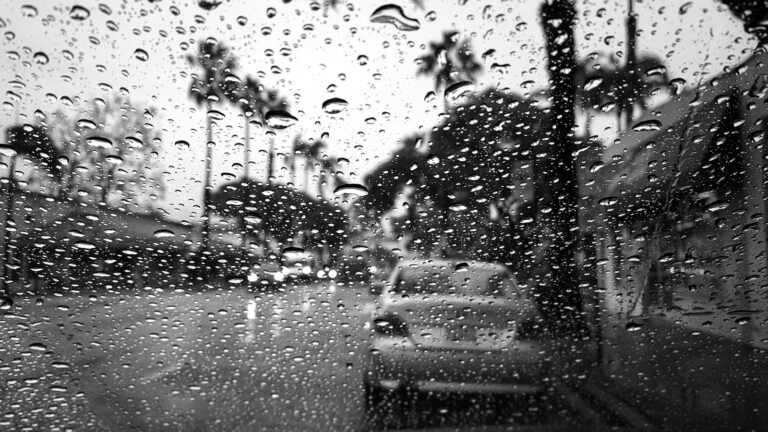
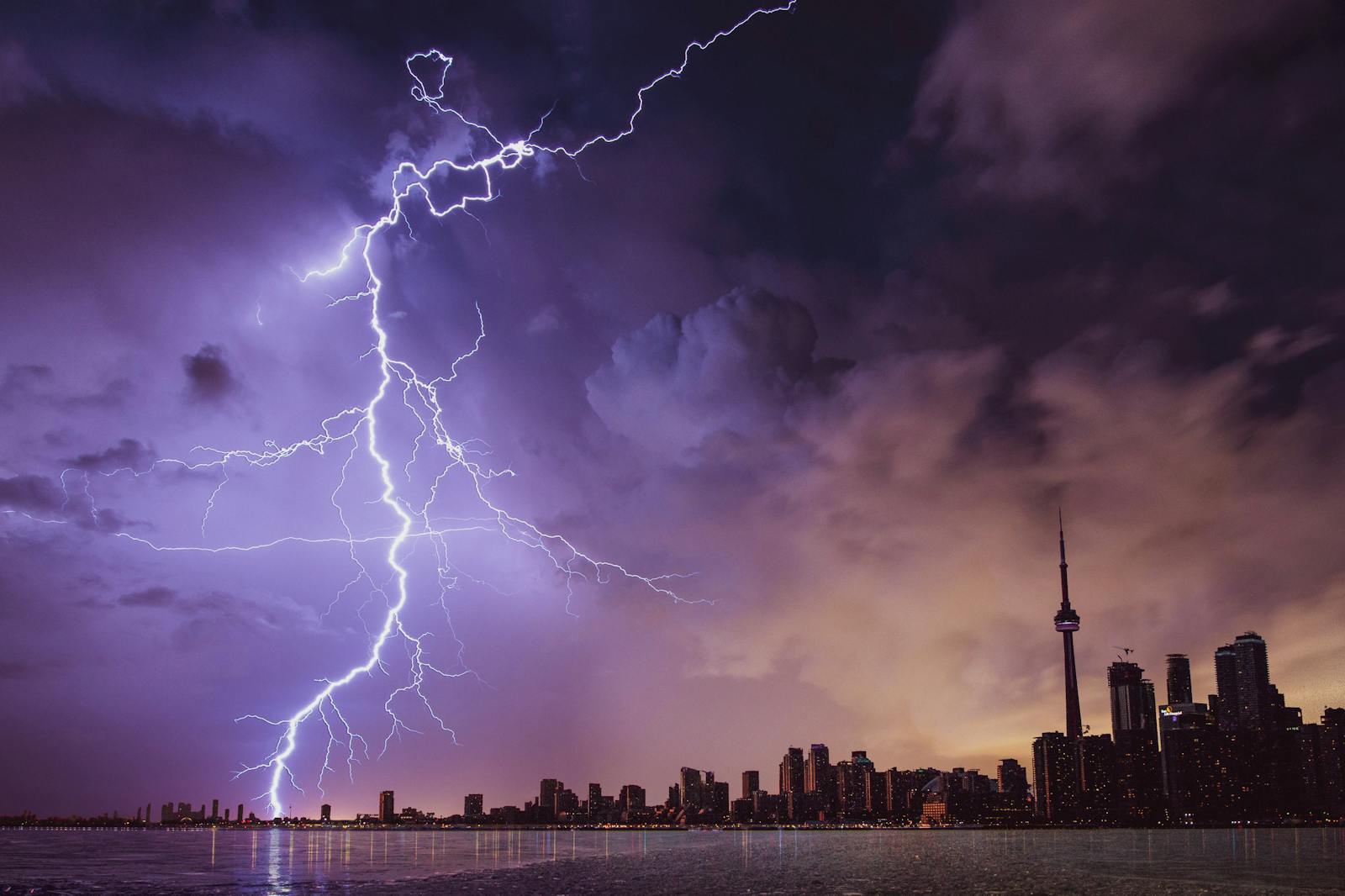
Early Saturday, a fast-moving line of storms rolled through the Houston metro area, downing trees, tearing limbs, and bringing wind gusts that topped 60 miles per hour in some communities. Lightning strikes and falling debris damaged power lines across multiple neighborhoods, triggering widespread outages that left hundreds of thousands temporarily in the dark.
At the height of the weather event, about 169,000 customers were without electricity. A second wave of storms early Sunday morning added another 17,000 homes and businesses to the total, pushing crews to extend restoration operations into the afternoon.
Altogether, fewer than 7 percent of CenterPoint’s 2.9 million customers lost power — a smaller share than previous major weather events but still significant given the region’s size.
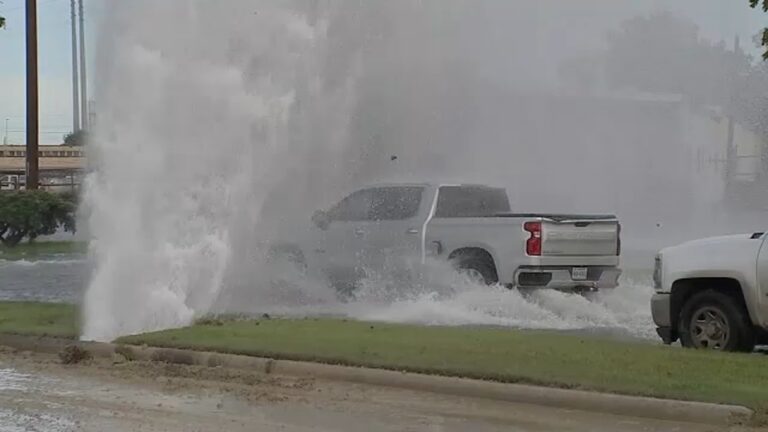
Beyond the outages, the National Weather Service issued multiple warnings for flash flooding, hail, and isolated tornado activity, urging residents to stay indoors and avoid high-water roadways.
Crews Work Through the Weekend
By Sunday afternoon, CenterPoint confirmed that “essentially all customers” who had lost electricity had been restored. The number of households still offline had dropped to just over 1,400, a dramatic improvement from the six-figure peak seen only a day earlier.
Company leaders credited preparation and coordination for the quick recovery. Chief Operating Officer Jesus Soto thanked residents for their patience and praised crews for “working around the clock to restore service safely and quickly.”
CenterPoint’s emergency response included pre-staged repair teams, mobile command centers, and hundreds of field technicians who fanned out across the city to repair downed lines, clear debris, and restore substations.
Why Houston’s Grid Held Up This Time
Experts say several factors contributed to the region’s faster restoration:
-
Pre-positioned teams who were ready before the storms hit.
-
Targeted grid investments that improved response times and reduced repair bottlenecks.
-
Prioritization of critical facilities, including hospitals, emergency centers, and water utilities.
While the storm caused significant localized damage, analysts noted that the system’s performance reflected ongoing improvements made after recent hurricanes and tropical storms. Still, officials cautioned that extreme weather remains an increasing threat to Gulf Coast infrastructure.
Residents Recall a Long, Stormy Weekend
In neighborhoods from Katy to Pasadena, residents described flickering lights, brief surges, and complete outages lasting several hours. Many relied on backup generators or battery systems, while others waited for updates from the utility’s outage tracker.
Public safety officials urged the community to stay alert even as power returned — keeping clear of downed lines, avoiding floodwaters, and using generators safely to prevent carbon-monoxide poisoning.
Storm Season Lessons for Houston
The event came late in the Gulf Coast’s storm season, following a year that had already tested the city’s resilience. Earlier in the summer, Hurricane Beryl left more than two million people without power, exposing weaknesses in grid infrastructure and emergency response systems.
This latest storm, while less destructive, served as another real-world test. Officials say lessons from each event help improve preparation for the next — including faster crew deployment, better public communication, and stronger coordination between city, county, and utility teams.
A City Back in the Light
By Monday morning, Houston’s skyline had returned to normal. Traffic lights were operational, businesses reopened, and residents emerged from a weekend of uncertainty. The storms served as a reminder of how vulnerable urban areas remain to severe weather — but also of how far Houston’s infrastructure has come in handling it.
For now, power is back on, streets are clearing, and the city once again hums with activity — proof that quick planning, teamwork, and persistence can bring a major metropolitan area back from the dark in just a day.