



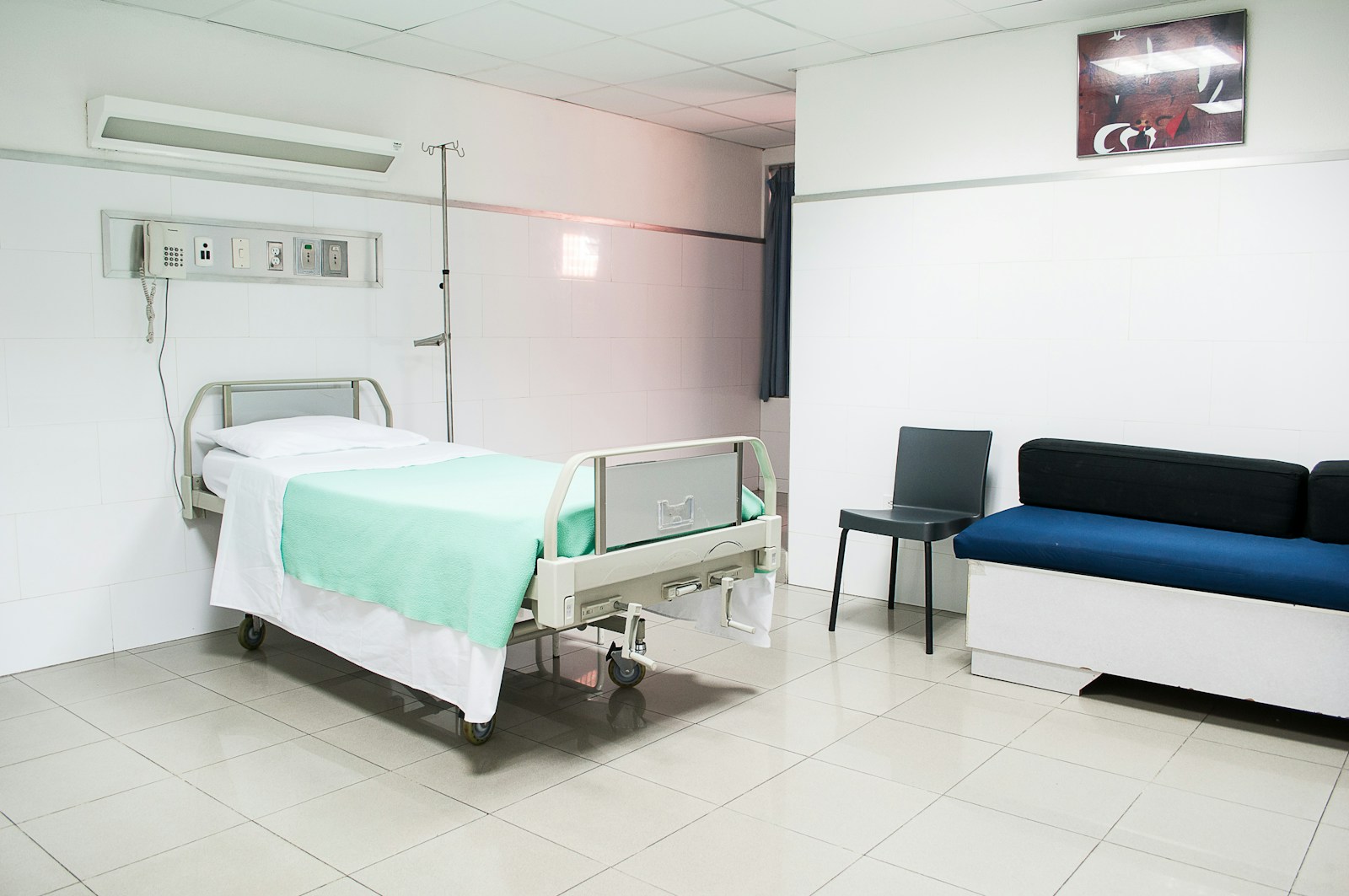
HOUSTON — November 4, 2025 — With cooler temperatures settling over Southeast Texas and allergy season peaking, hospitals across the Houston area are preparing for what could be the region’s most intense respiratory-illness wave in three years. Health officials warn that flu, COVID-19, and RSV cases are all on the rise, creating a “triple threat” that could once again strain emergency departments and pediatric care units.
A Familiar Seasonal Challenge Returns
Data collected from local hospitals and urgent-care centers show a steady increase in patient visits over the past two weeks, especially among children and older adults. Pediatric hospitals in the Texas Medical Center have already reported occupancy rates exceeding 90 percent, primarily driven by respiratory syncytial virus (RSV) and influenza A.
Doctors say this early spike is concerning because it comes before the typical December–January flu peak. “We’re seeing the curve rise earlier than expected,” said Dr. Alicia Nguyen, an infectious-disease specialist. “That suggests this could be a longer, heavier season.”
Flu, RSV, and COVID in Play
The current uptick involves multiple viruses circulating simultaneously:
-
Influenza A and B infections are climbing steadily, especially among unvaccinated adults.
-
RSV, which primarily affects infants and toddlers, is spreading faster than last year’s cycle.
-
COVID-19 subvariants continue to generate mild-to-moderate illness, though hospitalizations remain lower than during previous surges.
Clinicians emphasize that while none of these viruses alone are overwhelming the system, their overlap — often within the same households — is leading to more hospital visits, longer recovery times, and more missed school and work days.
Hospital Response and Capacity
The Texas Medical Center and major hospital systems including Memorial Hermann, Methodist, and HCA Houston Healthcare have activated seasonal surge protocols. These include:
-
Expanding pediatric and urgent-care capacity
-
Increasing staffing for respiratory therapy
-
Coordinating vaccination drives and outreach clinics
-
Enhancing telehealth scheduling for non-critical cases
Some hospitals have reopened temporary respiratory triage zones established during past COVID surges, allowing them to screen patients for multiple illnesses in one visit.
Public Health Advisory
The Houston Health Department urges residents to get vaccinated for both flu and COVID-19 as soon as possible, noting that updated booster formulations are available. Officials also recommend masks in crowded indoor settings and stress basic hygiene measures such as frequent handwashing and disinfecting shared surfaces.
Parents are advised to keep children home from school or daycare when showing symptoms, even mild ones, to prevent spread among classmates.
The Human Toll
In local clinics, parents describe long waits and anxious nights. Jessica Ramirez, mother of a two-year-old hospitalized for RSV complications, said she spent nearly eight hours in an emergency waiting room. “It feels like déjà vu,” she said. “We thought the worst was behind us, but the waiting rooms are full again.”
Meanwhile, health-care workers say morale remains strong despite fatigue. “We’re more prepared than in 2021,” said respiratory therapist Marcus Ford, “but every spike takes its toll. We just want people to take prevention seriously.”
Looking Ahead
Public-health experts warn that Houston’s dense population, humid climate, and high rate of unvaccinated residents could sustain transmission well into winter. Officials plan to reassess hospital capacity weekly and stand ready to activate state-level support if case counts climb further.
Final Reflection
Houston’s health-care system is once again bracing for a familiar battle — one fought not in the headlines but in hallways filled with coughing patients and overworked nurses. The city has the tools to weather this surge — vaccines, experience, and coordination — but success depends on something less tangible: collective caution and care.