

Houston is making a bold play in the biotech arena. The newly announced NoDX Innovation District signals the city’s ambition to stake a claim in biotechnology, positioning itself as a rising health science hub to rival coastal powerhouses.
The district is planned to include labs, life science development spaces, startups, academic partnerships, workforce training facilities, and infrastructure to anchor biotech growth for decades to come.
What Is NoDX & Why It Matters
NoDX is Houston’s bet on biotech. Its core features aim to:
-
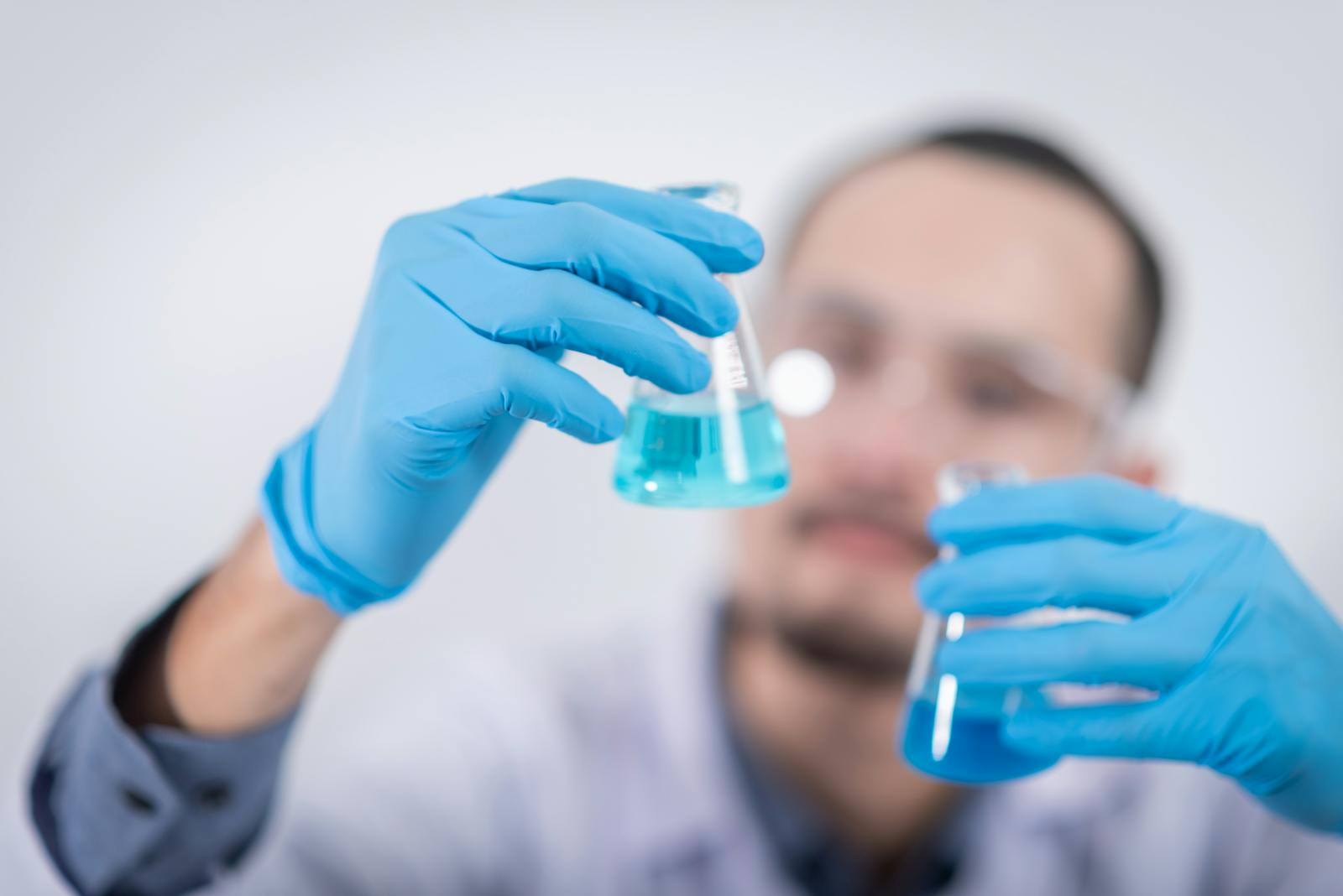
Host wet labs and research facilities to attract biotech and pharma firms
-
Integrate with academic institutions, hospitals, and innovation ecosystems
-
Focus on sectors like precision medicine, diagnostics, regenerative therapies, and biotech manufacturing
-
Include shared infrastructure, co-working, flexible lab incubation, and translational science support
With the right execution, Houston could gain a foothold in biotech development rather than being a downstream consumer of innovations generated elsewhere.
Strengths Houston Brings
Houston is not starting from zero:
-
Existing medical research institutions and hospital systems already drive biotech activity
-
The city has experience in life sciences, translational medicine, clinical trials, and health tech
-
A large talent pool in medical, engineering, and regulatory sectors
-
Strong logistics, infrastructure, and proximity to pharmaceutical supply chains
NoDX seeks to harness those assets and build the missing ecosystem pieces.
Challenges to Overcome
While promising, success is not guaranteed. Key challenges include:
-
Attracting venture capital and entrepreneurial biotech firms that often cluster in Boston, San Francisco, or San Diego
-
Navigating regulation: biotech is heavily regulated, requiring close alignment with FDA, federal funding, and compliance
-
Building lab infrastructure is expensive, especially wet labs with ventilation, utilities, and biosafety needs
-
Recruiting and retaining scientists, especially those accustomed to coastal innovation ecosystems
What to Watch Next
-
Announcements of anchor tenants or partnerships (large biotech or pharma players investing in NoDX)
-
Public-private funding mechanisms, land acquisition, and infrastructure buildout timelines
-
Talent development initiatives: collaborative PhD programs, biotech incubators, and workforce training
-
How NoDX will link with existing Houston and Texas life science assets — hospitals, universities, research centers
Houston’s push into biotechnology through NoDX sets the stage for it to move from medical innovation consumer to creator. If the district crystallizes with the right mix of infrastructure, capital, and talent, it could shift regional biotech maps — and offer the kind of high-growth, knowledge-driven economy that helps future-proof Houston’s economic identity.