


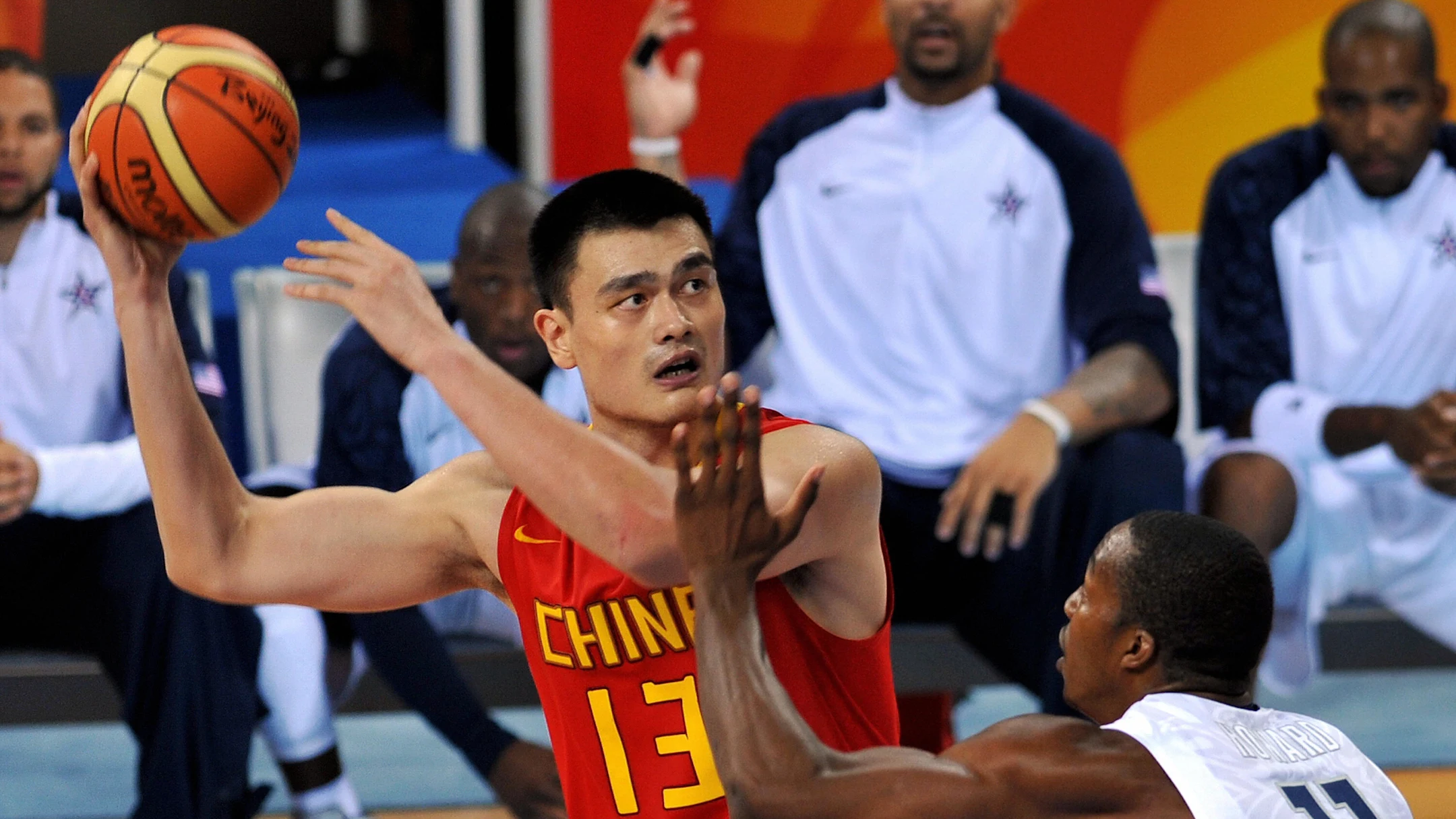
The phrase “what if” in sports conversation is loaded. It’s wistful, speculative — a window into possibility, regret, or longing. Recently, a national ranking published by Bleacher Report named Dwight Howard as the Houston Rockets’ biggest “what if” star of the 21st century. That choice stung more than a little among fans and commentators. To many, Yao Ming, not Howard, is the rightful answer — and the omission reflects not just a ranking quirk but a broader tendency to misremember and undervalue Houston’s real legends.
That’s the thrust of the SpaceCityScoop commentary. The author argues that Howard’s time in Houston, while eventful, never met the threshold of “what if” in the same emotional weight and narrative arc as Yao’s career. So the question becomes: How do we measure potential — and when does nostalgia demand better?
Why Howard is the pick — and why it misses
On the surface, Howard is a defensible choice. He joined Houston with star pedigree, was meant to complement Harden, and had a visible impact when healthy. There’s a “what if” case there: what if he had fully embraced a supporting role, avoided injury decline, or synced better with Houston’s offensive motion?
But fans push back. Howard’s limitations — his reluctance to yield touches, his physical decline, the internal friction — are part of the story. Those problems make “what if” feel less like a promise and more like an unresolved miscalculation.
Meanwhile, Yao’s narrative is different. He wasn’t just a potential great — he was a great, constrained by fate. Chronic foot and ankle injuries cut short a towering career. He embodied cross-cultural import, team identity, and a global connection. His “what if” is not “what if he was better,” but “what if he’d stayed healthy longer.” That gap — between what he was and what might have been — feels deeper.
In naming Howard, the ranking opts for headline drama over emotional complexity. It privileges a star’s moment rather than sustained resonance.
Measuring “what if”: criteria that matter
To take “what if” seriously, you need filters. What should count?
-
Duration vs. potential: Did a player reach high peaks, or was he cut short? A player who flourished briefly but was derailed has stronger claim than one whose decline was gradual but expected.
-
Impact on identity: Did that player help define how the team was seen — locally, nationally, globally?
-
Historical legacy: Does the omission distort a team’s memory or fan narrative?
-
Unrealized ceiling: Was there a path to greatness that was plausible but unfulfilled?
Under those measures, Yao’s injuries loom larger. His stats, global appeal, and cultural bridge to China helped transform the Rockets brand. Howard’s stint, though potent at times, feels more episodic and less foundational.
What this says about memory in sports
This ranking slight isn’t just about Yao or Howard. It’s about how memory, narrative, and fan identity intersect with analytics and lists. Sports media increasingly generate content to provoke clicks — rankings, lists, debates. In that rush, nuance is often truncated. Complex legacies get forced into categories. Emotional resonance becomes secondary to a catchy pick.
When fans push back, they aren’t just arguing history — they’re defending meaning.
For Houston, Yao represents more than box scores. He’s touchstone, symbol, and heart. To reduce him to a single “if” is to flatten his shadow.
What’s next — in rankings, memory, and Rockets lore
-
Fan-driven corrections: Expect commentary pieces, podcasts, and threads reasserting Yao’s claim.
-
Better ranking criteria: Public and media attention may push for “emotional weight” or “identity imprint” to carry more influence.
-
Legacy projects: Rockets media or the team may build narratives or content that reclaim Yao’s primacy in the “what if” conversation.
-
New “what ifs” shaping up: As current players’ careers evolve, future debates may hinge on who among today’s roster earns that label.