
State Highway 146 in Baytown — usually just another stretch of road — turned into a crime scene on Friday evening. A driver, attempting to flee police in a high-speed chase, ended up in a head-on collision, dying on impact. Two others, caught in the wrong place at the wrong time, were hospitalized with injuries. The incident leaves a lot of questions and deep public concern: about pursuit policies, innocent safety, and what “fleeing justice” really costs.
How it unfolded: speed, refusal, and a fatal impact
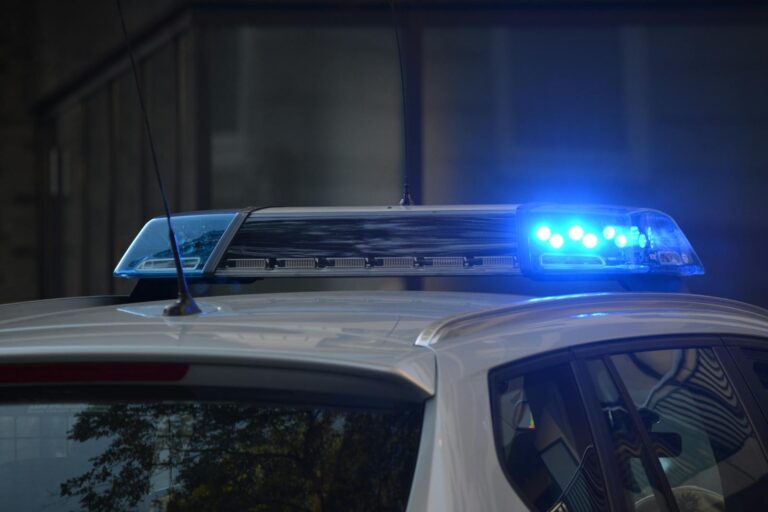
Police in Baytown say they saw a BMW recklessly speeding near Alexander Drive. Officers attempted a routine traffic stop, but the driver refused—accelerating northbound instead. The chase wandered in and out of view, crossing jurisdictional lines until the vehicle crossed into Chambers County, where local authorities continued the pursuit.
Moments later, the BMW crashed head-on near Crystal Boulevard. The driver was ejected from the vehicle during the impact and was later pronounced dead at the scene. In the struck car were a man and a woman, both of whom sustained nonlife-threatening injuries and were transported to area hospitals.
At this point, authorities have withheld identity of the deceased and are conducting a joint investigation alongside the Chambers County Sheriff’s Office.
What’s at stake: policy, public safety, and dangers of pursuit
This tragedy is more than a crash report. It underscores a complex collision between law enforcement prerogatives and public risk. High-speed pursuits carry inherent danger — not just for fleeing suspects and officers, but for innocent motorists, pedestrians, and bystanders.
When a driver refuses to stop, police must weigh immediate enforcement against potential collateral damage. Chases usually follow a cost-benefit paradigm: is the offense serious enough to justify the risk? Do the roads allow safe pursuit? What alternatives exist — surveillance, cutoff methods, waiting until backup arrives?
In this case, the escalation led to a fatal outcome. The questions now ripple outward: were alternatives considered? Did the chase protocol allow for de-escalation? Who bears responsibility for the chain of decisions?
Community imprint: victims beyond statistics
Behind every news flash are real people: a life lost, families left reeling, and two innocents who can’t unsee what happened. The family of the deceased will demand clarity: what led this chase? Was there a prior criminal case? Did they know they were being chased?
The injured passengers in the other car — victims in a collision they did not provoke — will grapple with medical bills, trauma, and the lingering question of how a fleeing driver’s crisis became their near-death experience.
Neighbors and communities along Highway 146 will also absorb trauma. Drivers passing by may see skid marks, shattered glass, emergency lights carving through dusk. These scenes don’t vanish from memory.
Broader lens: pursuing justice vs protecting lives
Law enforcement agencies across the country wrestle with this balance. The logic behind a pursuit is clear: fleeing drivers may be dangerous, may hide evidence or weapons. But the amplification effect — speeding, jurisdictional handoffs, losses of control — turns every second into risk.
Some cities have adopted stricter pursuit policies: only chase for violent crime, not for minor offenses; use tracking, roadblocks, or remote surveillance instead of full-on chase; terminate pursuit if danger outweighs benefit. These policies evolve as departments reckon with public safety, officer liability, and accountability.
Houston’s metro area is no stranger to high-speed crashes, and every such case prompts renewed scrutiny. For residents, one collision is not just a headline — it’s a scar on how safe roads feel.
What to follow as the investigation proceeds
-
Official findings: Investigators will release details about speed, vehicle condition, driver history, and whether alcohol or impairment played a role.
-
Policy audit: Will Baytown or Chambers County revisit chase protocols? Were any missteps in authorization or coordination?
-
Civil claims: The injured parties may pursue legal recourse, seeking damages from the fleeing driver’s estate or municipalities.
-
Public transparency: The family of the deceased and the community will demand openness — bodycam footage, chase logs, interagency records.
-
Precedents in precedent: How this incident is framed may influence local policy or public perceptions of law enforcement risk tolerance.