


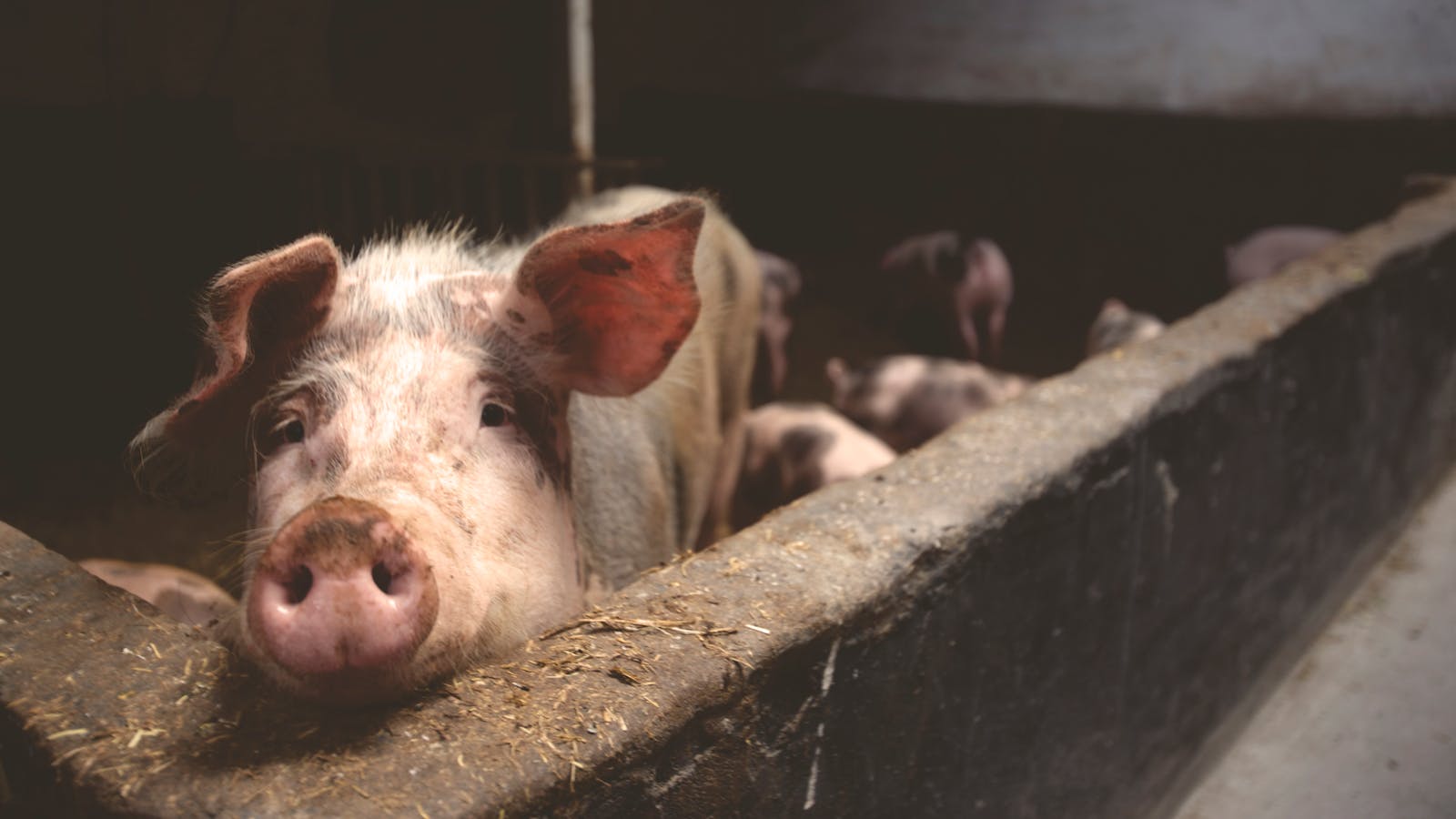
Waitrose’s bold new vow to source all of its own-label British pork from free-range farms by 2027 has drawn industry acclaim. The retailer calls it a “global supermarket first,” and the move has been welcomed by farming leaders as a landmark moment in animal welfare and consumer choice.
Below is an in-depth rewrite and expansion: the background, operational challenges, industry reaction, implications for British pork farming, and what this signals for supermarkets globally.
What Waitrose Pledged
-
Beginning October 15, 2025, all Waitrose own-brand pork mince, steaks, chops, and joints will be sourced as free-range.
-
Over the next two years, this commitment is to expand across bacon, sausages, ready meals, sandwiches, and processed pork products.
-
By 2027, every piece of Waitrose’s owned-label British pork will be free range.
-
The plan includes introducing tiered welfare labelling on pork (similar to the recently launched welfare labels for chicken) to give
Waitrose describes this as a “global supermarket first,” asserting that no other large chain has committed fully to free-range pork across its entire owned-label range to this extent.
Charlotte Di Cello, Waitrose’s Chief Commercial Officer, is quoted saying,
“We believe that happy pigs make the best pork. Our commitment to 100% British free range across all our Waitrose products reflects our dedication to providing our customers with unbeatable quality, taste, and value with values.”
Reaction from the Farming & Pig Industry
Red Tractor / Pig Board Chair Welcomes the Move
Stewart Houston, chair of the Red Tractor Pigs Board, praised Waitrose’s announcement as a meaningful step for animal welfare and farming transparency.
He acknowledged that this plan sends a strong signal across the industry, potentially putting pressure on competitors to follow suit. But he also urged realism:
“Free range is premium, it lifts the average price a bit. There’s a limit to it, because there’s a limit to how much good land there is for outdoor pigs.”
He cautioned that not all pork production could shift entirely outdoors, particularly given land constraints, soil quality, and infrastructure needs.
Houston also noted that Yorkshire is the UK’s leading pig-breeding region (accounting for ~37% of national output), but much of the existing pig production is indoors under regulated welfare standards.
Industry Voices & Challenges
-
The National Pig Association (NPA) has confirmed the deal and highlighted Waitrose’s 10-year agreement with Pilgrim’s Europe and British pig farmers to secure supply.
-
Some commentators emphasize the logistical challenges: converting indoor systems, ensuring sufficient free-range land, meeting supply chain consistency, and managing costs.
-
Waitrose’s existing share in free-range pork is already strong: they reportedly represent 55% of the UK free-range pork market.
Why This Matters
Animal Welfare & Ethical Farming
This transition is a major statement in favor of higher-welfare farming, signaling that a major retailer sees both demand and feasibility in free-range systems. It’s a boost for farmers already following better practices and encourages raising the bar for those still using more confined systems.
Consumer Trust & Transparency
By introducing welfare labelling and committing to full free-range production, Waitrose aims to deepen trust with consumers who increasingly factor ethics and origin into their buying decisions. This can strengthen brand loyalty.
Market Differentiation
Waitrose is positioning itself as a leader in ethical meat sourcing. If successful, this initiative could become a differentiator in the UK supermarket landscape, pushing others to match its claims or risk being seen as less progressive.
Risk & Transition
-
Land availability: not all soil or farm geography is suited to free-range pig farming.
-
Cost pressure: free-range pork typically commands higher prices; balancing affordability with ethics will be delicate.
-
Supply chain adaptation: converting barns, managing outdoor risk, biosecurity, feed systems, and monitoring welfare.
-
Consumer uptake: whether a majority of shoppers will choose free-range at higher cost will matter to scaling viability.