


A flight from Chicago’s O’Hare Airport landed safely in Houston after tire failure caused a dramatic landing sequence.
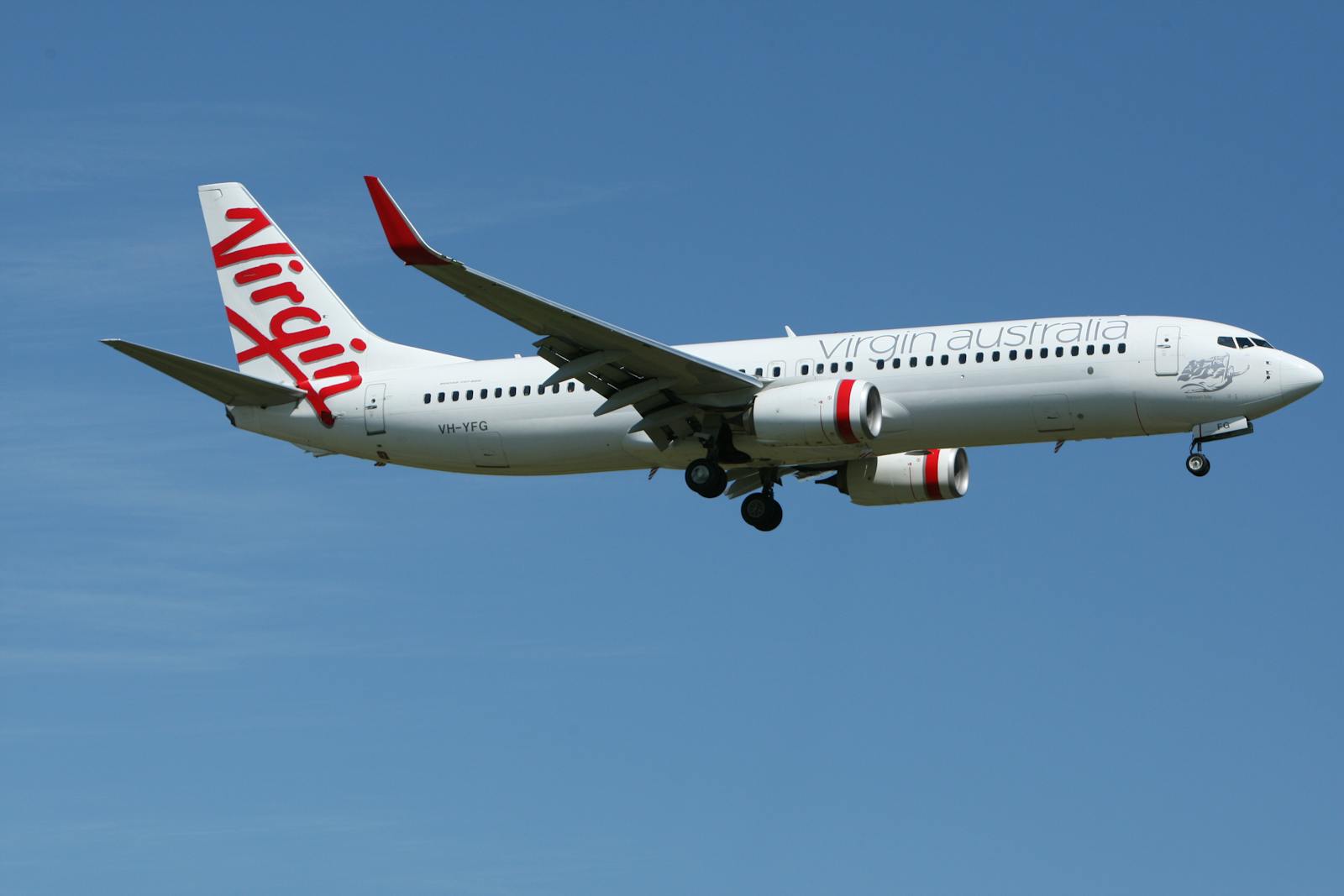
A scheduled commercial flight departing from O’Hare International Airport (Chicago) and arriving at George Bush Intercontinental Airport (Houston) experienced a serious tire blow-out on a Boeing 737 during its landing sequence on Sunday, October 19, 2025. The aircraft was carrying 179 passengers and six crew members when the incident occurred.
What Happened
As the aircraft touched down, several tires ruptured, creating a loud “thud” and causing the plane to bounce slightly before coming to a smooth stop. Passengers described a moment of panic as the aircraft jolted and one traveller said people on board began to scream out of fear. Despite the abrupt landing, the flight crew maintained control and safely guided the plane to the gate. All occupants were deplaned via bus and no injuries were reported.
Aircraft and Passenger Details
-
Aircraft type: Boeing 737
-
Occupants: 179 passengers, 6 crew
-
Origin: Chicago O’Hare Airport
-
Destination: Houston George Bush Intercontinental Airport
-
Result: Tire blow-out, safe landing, no reported injuries
Investigators from the nation’s aviation safety authorities and airline operations are reviewing the exact cause of the tire failure. Early reports indicate the blow-out occurred upon touchdown, but whether it stemmed from runway conditions, landing-gear stress or a manufacturing issue is still under examination.
Significance and Safety Implications
While tire failures on commercial aircraft are relatively rare, they can escalate into much more serious emergencies if not properly managed. This incident underscores:
-
The importance of thorough landing-gear inspections and maintenance protocols.
-
The vital role of pilot training in managing abnormal landing conditions.
-
The resilience of modern commercial aircraft systems and crew procedures in safely resolving unexpected events.
For commercial carriers and regulators, the investigation’s findings may influence future maintenance checks, tire-replacement guidelines and landing-gear inspection intervals.
What Passengers and the Traveling Public Should Know
-
Commercial flights are subject to rigorous safety standards; mechanical issues like tire failures are monitored carefully.
-
The aircraft’s safe landing despite the blow-out reflects effective crew response and the redundancy built into aircraft systems.
-
Passengers concerned by the event can remain reassured that no injuries were recorded and the landing occurred under controlled conditions.
-
Flight-crew debriefings and post-incident inspections will likely lead to non-routine checks or follow-up actions by the airline and regulators.
Looking Forward
The investigation’s outcome will likely be of interest to both the airline industry and frequent flyers. Whether the root cause turns out to be component fatigue, external runway factors or landing-gear load stresses, the resolution may lead to revised best-practice guidelines across the fleet. Meanwhile, airlines may conduct additional inspections on similar aircraft or landing-gear assemblies as a preventive step.