


House Speaker Mike Johnson of Louisiana is signaling to his Republican members that a government shutdown is becoming an increasingly likely outcome — and he’s been gearing up his party for the fight. In private lawmaker-only calls and strategic memos, Johnson is pressing Republicans to brace for difficult negotiations, manage public expectations, and posture for leverage as the funding deadline looms.
Below is a comprehensive take: the warning, internal dynamics, risks, strategy, framing, and what this could mean for government continuity and political fortunes.
Setting the Stage: Why Johnson Is Warning His Own Party
The Impending Deadline
With the fiscal year set to end at midnight on September 30, Congress must pass a funding measure to prevent a shutdown. The window for compromise is narrow, and Johnson is increasingly treating failure to pass a stopgap as both politically dangerous and operationally catastrophic.
Internal Messaging & Calls
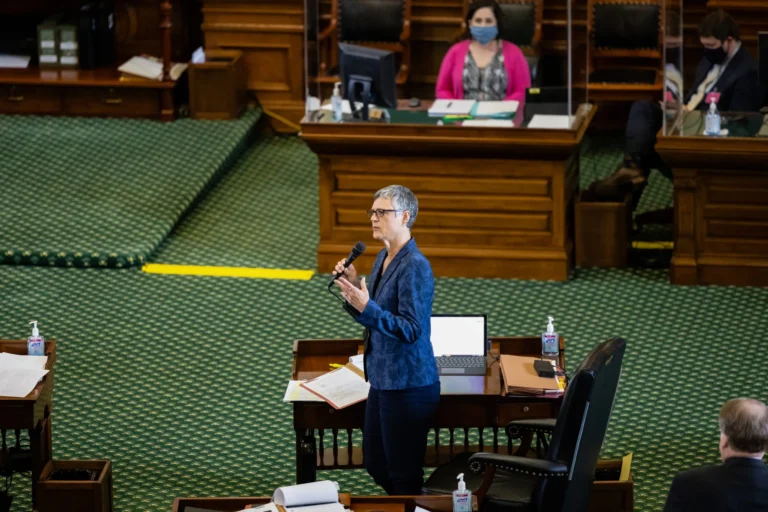
Johnson has conducted lawmaker-only conference calls behind closed doors to make his case. He is warning GOP members that refusal to act — or insisting on aggressive demands — risks the entire government going dark. The message: Republicans must carry some burden of compromise rather than framing shutdown as someone else’s fault.
Memorandums distributed among the party highlight past statements by Democrats about the dangers of shutdowns, and Johnson is using those to pressure opponents into accepting a “clean” funding extension or risk the backlash.
Internal Republican Tensions: Conservative vs. Pragmatist
Johnson’s leadership path is already fraught. He must balance different factions:
-
Hardline conservatives who want to use the funding process to push major policy changes — cuts, border enforcement, rollback of subsidies.
-
Moderate Republicans who fear being blamed for disruption and economic fallout if the government shuts down.
-
Blowers-up vs keepers-of-the-institution — some Republicans prefer maximal leverage even at risk, while others prioritize minimal damage.
Johnson’s decision to “warn early” is a bid to unify the conference, prevent public surprise, and place dissenters on record if disruption occurs.
Strategic Framing: What Johnson Is Trying to Achieve
-
Set expectations downward: If shutdown happens, Johnson wants GOP lawmakers to be able to say they did everything possible, but were forced into it by Democratic intransigence.
-
Leverage historical quotes: The internal memo recycles Democrats’ past warnings against shutdowns, rearranging them as rhetorical pressure on opposition now.
-
Shift blame stakes: By warning publicly and privately, Johnson is trying to shift the narrative before a breakdown: “We tried; they refused to act.”
-
Force early decisions: By pushing for firm commitments now, Republicans can avoid last-minute scrambling and blame games.
Risks & Consequences of Johnson’s Approach
Political Risk
If the government does shutter, Republicans risk being blamed by voters — especially if essential services or benefits for constituents are disrupted. Johnson’s early warnings may immunize Republicans somewhat, but only if blame control holds.
Internal Rebellion
Some Republicans may chafe at being forced into compromise, resent messaging discipline, or balk at early capitulation. Party unity could strain or crack.
Legislative Gridlock
If Johnson’s threats don’t work, parties may find themselves deadlocked anyway — with time running too short for real negotiation.
Public Perception & Brand Damage
Regardless of who is blamed, shutdowns damage public perception of governing competence. Republicans, who control both Congress and the White House, carry disproportionate responsibility.
Operational Chaos
Beyond political theater, a shutdown would disrupt federal agencies, court operations, grant allocations, and other government functions — real consequences people will feel.
What Johnson’s Calculus Likely Involves
-
Fallback plan: If “clean” extension fails, Johnson must field backup options (piecemeal funding, partial government, deadline extensions, or policy concessions).
-
Whip machinery: Counting and locking in votes, trading favors, offering relief to vulnerable members in swing districts.
-
Press positioning: Preparing narratives, messaging templates, press lines to control post-shutdown framing.
-
Outreach to Democrats: Even as he warns his own, Johnson may keep channels open to moderate Democrats to pull in votes when necessary.
What to Watch in the Coming Days
-
Will Johnson or Trump publicly predict a shutdown, hardening stances?
-
Which Republican legislators break ranks or publicly dissent?
-
Will the House or Senate propose or revive “clean” continuing resolutions (CR) without major policy add-ons?
-
What messaging shift emerges — more deficit talk, more pressure on Democrats, emphasis on “no hostage negotiation”?
-
How aggressive are Democrats pushing for subsidies, healthcare, or concessions tied to funding?