
A late-night shooting at a Houston nightclub has left the community shaken and law enforcement scrambling for answers. According to initial reports, patrons inside the club were struck by gunfire early in the morning, prompting an active investigation. Though details remain fluid, the incident underscores persistent challenges of violence in nightlife districts—especially around after-hours venues.
This article collects what is known so far, unpacks patterns in nightlife-associated shootings in Houston, examines enforcement and regulatory gaps, and offers insights into what officials and patrons can watch for as investigations proceed.
What’s Known: Incident Overview
Overnight Shooting & Response
-
The shooting reportedly occurred at a Houston nightclub in the early morning hours.
-
Multiple people were struck by gunfire while inside or in proximity to the club.
-
Some victims were transported to hospitals for treatment; details on their condition are pending public disclosure.
-
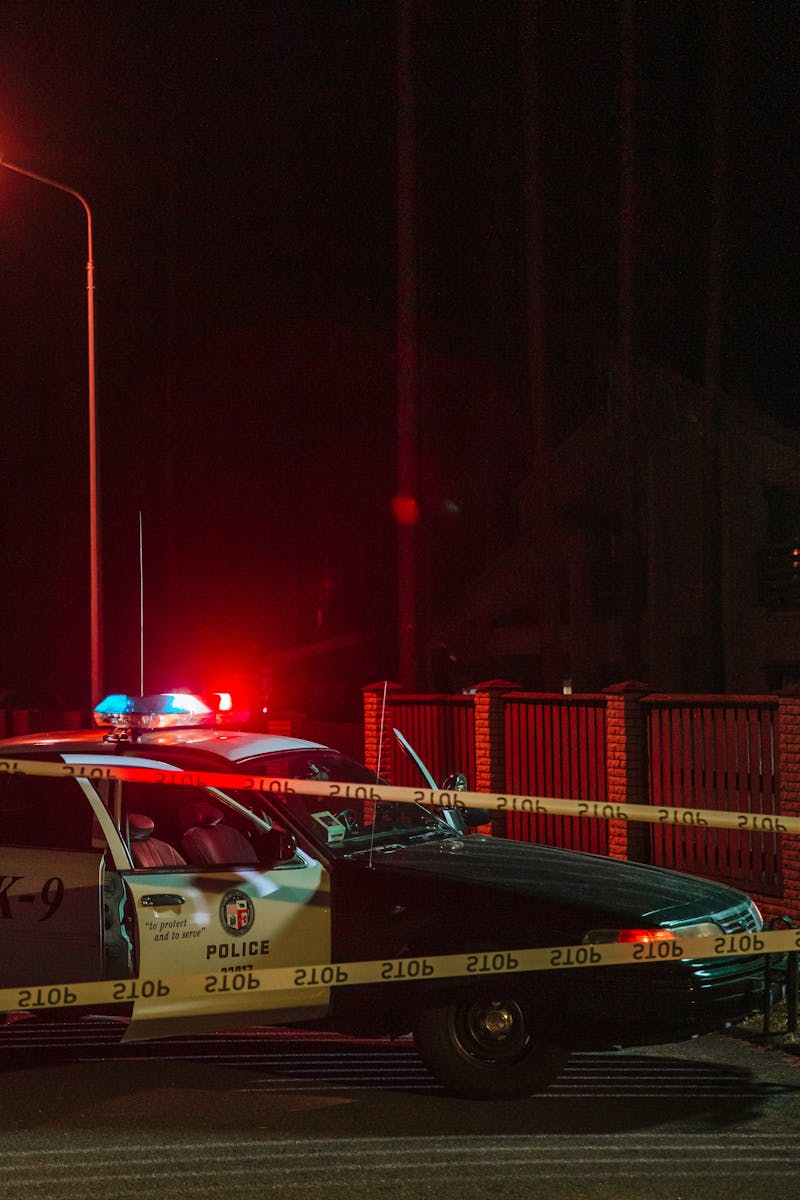
Law enforcement responded to the scene, established a perimeter, and began evidence collection and witness interviews.
-
Investigators have not yet confirmed the motive, number of shooters, or whether suspects are in custody.
-
The nightclub’s operations, licensing status, and potential after-hours activity are under scrutiny as part of the probe.
Nightclub Violence in Houston: A Pattern
This isn’t the first time Houston has witnessed gun violence tied to nightlife settings. Earlier incidents include:
-
A massacre outside a southeast Houston nightclub where dozens were shot in a drive-by attack.
-
A shooting at “Stampede Night Club” earlier this year in which at least one person was killed and others injured in the parking lot. FOX 26 Houston
-
Violence at unlicensed or after-hours clubs, where policing and regulation are looser and risk factors multiply.
These recurring episodes point to systemic issues in enforcement, nightlife regulation, and public safety in districts heavy with late-night revelry.
Why Nightclub Shootings Happen: Risk Factors & Vulnerabilities
Nightlife venues, especially when operating late or outside licensing norms, present amplified risk profiles. Key factors that often contribute:
Alcohol & Intoxication
Impaired judgment, elevated emotions, and lower inhibitions can escalate disputes that might otherwise remain verbal.
Overcrowding & Congestion
Crowded dancefloors, outside patios, entrance lines—these choke points become flashpoints when tensions rise.
Security Gaps
Insufficient staffing, lack of metal detectors, inadequate surveillance, or weak exit protocols can allow weapons to be brought in undetected.
After-hours Operations
Clubs that operate past permitted hours or without full licensing may slip under regulatory radar, evading consistent oversight.
Gang, Rivalry & Targeted Conflict
Some shootings are not random but targeted—stemming from underlying conflicts, threats, or disputes external to the venue.
Low Lighting / Hidden Zones
Dark corners, blind spots, or adjoining alleyways provide cover for assailants or obscure escape routes.
Legal & Regulatory Challenges
Addressing nightclub shootings is complex because it sits at the intersection of law enforcement, licensing, municipal regulation, and private property rights.
Club Licensing & Enforcement
Clubs are supposed to comply with liquor licenses, occupancy restrictions, security requirements, and hours-of-operation regulations. Enforcement depends on municipal and state oversight. After-hours or unlicensed clubs pose enforcement dilemmas—some operate covertly or change names.
Policing Through the Night
Patrolling late-night districts is resource intensive. Police must balance routine patrols with rapid response, intelligence efforts, and coordination with club owners. Limited staffing during early-morning hours complicates effective oversight.
Venue Liability
If investigations show that the club failed in its duty of care—e.g., inadequate security or ignoring prior threats—civil liability may arise. Victims or families sometimes pursue lawsuits against owners or operators.
Evidence & Witness Cooperation
Gun crime investigations often hinge on surveillance video, ballistic evidence, and eyewitness testimony. But nightclub environments—dim lighting, intoxicated witnesses, reluctance to speak—make reliable evidence gathering difficult.
What Happens Next in the Investigation
As law enforcement continues its work, here are the steps we can expect:
-
Scene processing: collecting shell casings, bullet trajectories, forensic evidence, and video surveillance
-
Victim interviews & condition updates: gathering statements from those injured
-
Witness canvassing: residents, bystanders, ride-share drivers, nearby businesses
-
Review of club records: checking guest lists, security logs, surveillance systems
-
Ballistic and forensics work: matching weapons, determining shot origins
-
Suspect identification / arrests: if surveillance or witness leads yield suspect profiles
-
Charging decisions: as prosecutors weigh evidence for assault, attempted murder, or homicide charges
The case timeline will be influenced by how quickly forensics return, how cooperative witnesses are, and whether suspects can be located.
Safety, Community Impact & What Patrons Should Know
Public Safety Concerns
-
People frequenting nightlife districts now face heightened concerns about stray bullets or escalations in otherwise festive settings.
-
Residents in surrounding neighborhoods sometimes bear collateral risk—gunfire spilling into streets or parking lots.
Advice for Nightclub Goers
-
Patronize venues with robust security measures (metal detectors, visible security staff).
-
Visit well-lit, licensed establishments with public track records.
-
Stay alert to surroundings—not just inside but in parking areas.
-
Travel in groups, avoid conflict, and leave when tension feels high.
-
Report suspicious behavior or threats immediately to security or 911.
Community Responses
-
Neighborhood associations may press for increased late-night policing, lighting improvements, or club licensing enforcement.
-
Local leaders can convene dialogues between club owners, law enforcement, and community groups to foster responsible operation.
-
Emphasis on prevention over reaction—community-based conflict resolution, outreach to at-risk youth, and safer nightlife planning.
Broader Issues & Structural Reforms
To reduce nightclub violence over time, broader structural changes should be considered:
-
Stricter oversight of after-hours and pop-up venues
Proactive registration, inspections, and monitoring can reduce clandestine risky operations. -
Mandatory security standards
Requiring clubs to maintain cameras, lighting, trained security, and weapons checks might raise safety baseline. -
Nightlife corridor planning
Designating zones where clubs cluster, ensuring adequate policing, traffic management, lighting, and support infrastructure. -
Data-driven enforcement
Mapping crime hotspots and aligning resources (cameras, patrols) to maximize deterrence. -
Community education & conflict resolution
Outreach to venue staff, patrons, and residents about de-escalation, threat detection, and safe practices. -
Substance regulation & intoxication control
Limiting overservice, training bartenders in refusal protocols, and maintaining capacity standards.
Conclusion
The Houston nightclub shooting currently under investigation is a grim reminder that late-night excitements can quickly become tragedies. While details remain fluid, the core truth is clear: when venues fail to guard their premises or moderation, vulnerable people pay the price.
As investigators continue canvassing for evidence, the community must ask not only who is responsible—but how the city can build safer nightlife zones. For patrons, vigilance is personal. For authorities, the challenge is systemic. Only by bridging both can the glint of nightlife joy coexist with the certainty of personal security.