


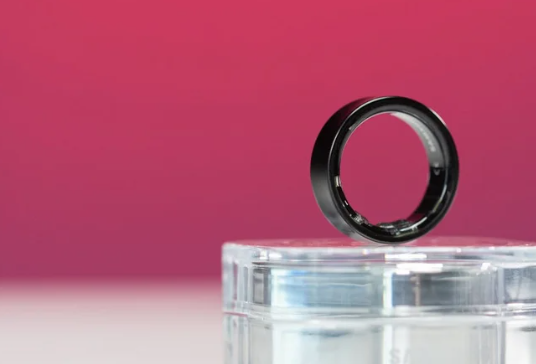
The Samsung Galaxy Ring was marketed as a breakthrough — a sleek, futuristic smart wearable that could replace or supplement a smartwatch. With its ability to track sleep, monitor health, and sync seamlessly with Galaxy devices, Samsung pitched it as the next evolution in personal tech.
But just months into its rollout, the Galaxy Ring is facing serious battery problems. Reports of swelling batteries, severe overheating, and rings becoming stuck on users’ fingers are raising safety concerns. The story has escalated from mere complaints about battery drain to alarming incidents requiring hospital intervention.
For Samsung, the timing couldn’t be worse. The company has positioned the Galaxy Ring as a flagship addition to its wearable ecosystem, meant to compete with Apple and up-and-coming health tech firms. Now, questions loom: is this the future of wearables, or a repeat of Samsung’s troubled history with battery safety?
Background: Why the Galaxy Ring Mattered
The Promise of Smart Rings
Smart rings represent a new frontier in wearables: lighter, more discreet, and designed for 24/7 health tracking. Unlike bulky smartwatches, they can be worn continuously, offering richer data on sleep cycles, activity, and even cardiovascular health.
Companies like Oura and Ultrahuman pioneered the space, but Samsung’s entry gave smart rings mass-market credibility. The Galaxy Ring was unveiled with massive hype, tying into Samsung Health, Galaxy AI, and broader ambitions to make health monitoring a seamless part of daily life.
Samsung’s High-Stakes Gamble
-
Launch framed as a revolution in wearable health tech.
-
Integration with Galaxy smartphones and the Galaxy Watch aimed at creating a unified ecosystem.
-
Positioned as an answer to Apple’s dominance in the wearable sector.
-
Hopes for adoption beyond tech enthusiasts — to mainstream users in markets like Detroit, New York, Los Angeles, and beyond.
The strategy was bold. But it relied on one critical assumption: the hardware had to be safe, reliable, and durable.
The Problem Emerges: Battery Drain & Swelling
Battery Drain Complaints
Early adopters noticed the Galaxy Ring wasn’t living up to Samsung’s promises of multi-day battery life. Reports surfaced of rings draining at 1% every two minutes, with charging cases unable to hold sufficient power.
For a product designed to stay on the finger nearly 24/7, this was already a red flag.
Swelling Batteries & Stuck Rings
The issue escalated when users reported batteries swelling inside the ring, causing deformation. In one alarming case, a YouTuber documented how his Galaxy Ring expanded to the point that it became stuck on his finger, requiring hospital removal.
Photos showed:
-
Bulging battery cells.
-
Warped metal casing.
-
Internal layers separating under pressure.
The parallels with Samsung’s infamous Galaxy Note 7 recall — driven by explosive batteries — are impossible to ignore.
Why This Is Dangerous
Unlike phones, rings sit directly on the body. A swelling battery doesn’t just break the product; it creates a potential medical emergency.
-
Circulation risk: A swollen ring can cut off blood flow, creating risk of tissue damage.
-
Burn risk: Overheated or failing lithium batteries can cause burns.
-
Emergency removal: Medical intervention is sometimes necessary, requiring specialized cutting tools.
For a device marketed as a health tool, the irony is stark: the Galaxy Ring may put users’ health at risk.
Samsung’s Response So Far
Samsung has acknowledged complaints privately but has not issued a broad recall or consumer safety advisory. Instead, the company has:
-
Suggested at-home removal techniques (soap, ice, lubrication).
-
Directed users to authorized service centers.
-
Engaged directly with affected customers via support channels.
-
Stated that such incidents are “extremely rare.”
Critics argue that this response echoes Samsung’s early handling of the Note 7 crisis — downplaying risks until the scale of the problem forced a global recall.
Technical Analysis: Why Are Batteries Failing?
Lithium-ion batteries in small devices like rings are especially challenging:
-
Miniaturization Pressure
-
Batteries must fit in ultra-small form factors, increasing stress on design tolerances.
-
-
Thermal Management Issues
-
Rings lack cooling capacity. Heat from charging and daily wear accumulates.
-
-
Chemical Instability
-
Overcharging, manufacturing flaws, or cell compression can lead to swelling.
-
-
Durability Gaps
-
Rings are subject to constant contact, sweat, pressure, and environmental stress.
-
Experts suggest Samsung may have rushed the product to market without sufficient long-term durability testing.
Consumer Impact
Short-Term Risks
-
Loss of product functionality.
-
Health and safety emergencies.
-
Frustration among early adopters.
Long-Term Risks
-
Loss of trust in Samsung wearables.
-
Hesitation to adopt future smart ring products.
-
Potential for lawsuits or regulatory intervention.
For consumers in Michigan and other U.S. states, this is especially relevant. Tech adoption in Midwestern markets is rising, but so too is scrutiny over product safety.
Regulatory & Legal Implications
-
Consumer Product Safety Commission (CPSC) may investigate if reports multiply.
-
Samsung could face class-action lawsuits if harm is widespread.
-
Battery suppliers and manufacturing partners may come under review.
-
Regulators may tighten standards for miniaturized batteries in health wearables.
This could slow the rollout of smart rings across the industry.
Samsung’s History with Battery Controversies
This is not new territory for Samsung. The company’s Note 7 smartphone recall in 2016 became a textbook case of how battery issues can spiral into global crises. Then, as now:
-
Early complaints were dismissed as isolated.
-
Swelling and overheating incidents multiplied.
-
Eventually, Samsung was forced into a mass recall costing billions and damaging brand trust.
The Galaxy Ring may not yet be at that scale — but the echoes are undeniable.
What Consumers Should Do
-
Check regularly: Inspect your ring for swelling or distortion.
-
Monitor battery health: Rapid drain or overheating is a warning sign.
-
Remove safely: Don’t force removal. Use lubrication, cold water, or professional help.
-
Seek service: Contact Samsung immediately if issues arise.
-
Document problems: Photos and reports may be needed for warranty or legal claims.
Detroit & Michigan Angle
Local Adoption of Wearables
Metro Detroit consumers have been early adopters of fitness trackers, smartwatches, and health apps. The Galaxy Ring was poised to gain traction here due to Samsung’s strong Android presence.
Healthcare Integration
Michigan health systems are exploring wearable integration for patient monitoring. Failures like the Galaxy Ring could slow adoption and erode trust in medical-grade wearables.
Economic Impact
If Samsung faces recalls, retail partners in Michigan — from Best Buy to wireless carriers — could feel the sting of returns and lost sales.
What’s Next: Scenarios
-
Containment: Samsung issues firmware fixes, improves QA, and incidents remain rare.
-
Escalation: More reports emerge, prompting a recall and denting Samsung’s wearable ambitions.
-
Market Shift: Competitors like Oura or Apple gain ground as Samsung struggles.
Conclusion: The Ring That Binds — Or Breaks?
The Galaxy Ring was supposed to symbolize the future of discreet, always-on health monitoring. Instead, it may become a cautionary tale of rushing innovation without fully addressing safety risks.
Samsung faces a choice: act quickly, transparently, and decisively — or risk letting another battery crisis spiral into brand disaster. For consumers, the lesson is clear: before trusting a wearable with your health, demand proof that it won’t harm it.
FAQ (for SEO)
Q: What is the Samsung Galaxy Ring?
A smart wearable designed to track health and sync with Samsung devices.
Q: What problems are being reported?
Battery drain, charging case failures, and swelling batteries causing rings to deform.
Q: Is the Galaxy Ring safe to wear?
Most units function normally, but reports of swelling pose potential risks. Consumers are advised to monitor closely.
Q: Has Samsung recalled the Galaxy Ring?
Not yet. Samsung has acknowledged incidents privately but has not issued a public recall.
Q: What should I do if my Galaxy Ring swells or overheats?
Remove it safely using lubrication or professional help, and contact Samsung support immediately.
Q: Could the Galaxy Ring affect future smart ring adoption?
Yes. Safety concerns could slow consumer confidence and give competitors an edge.