
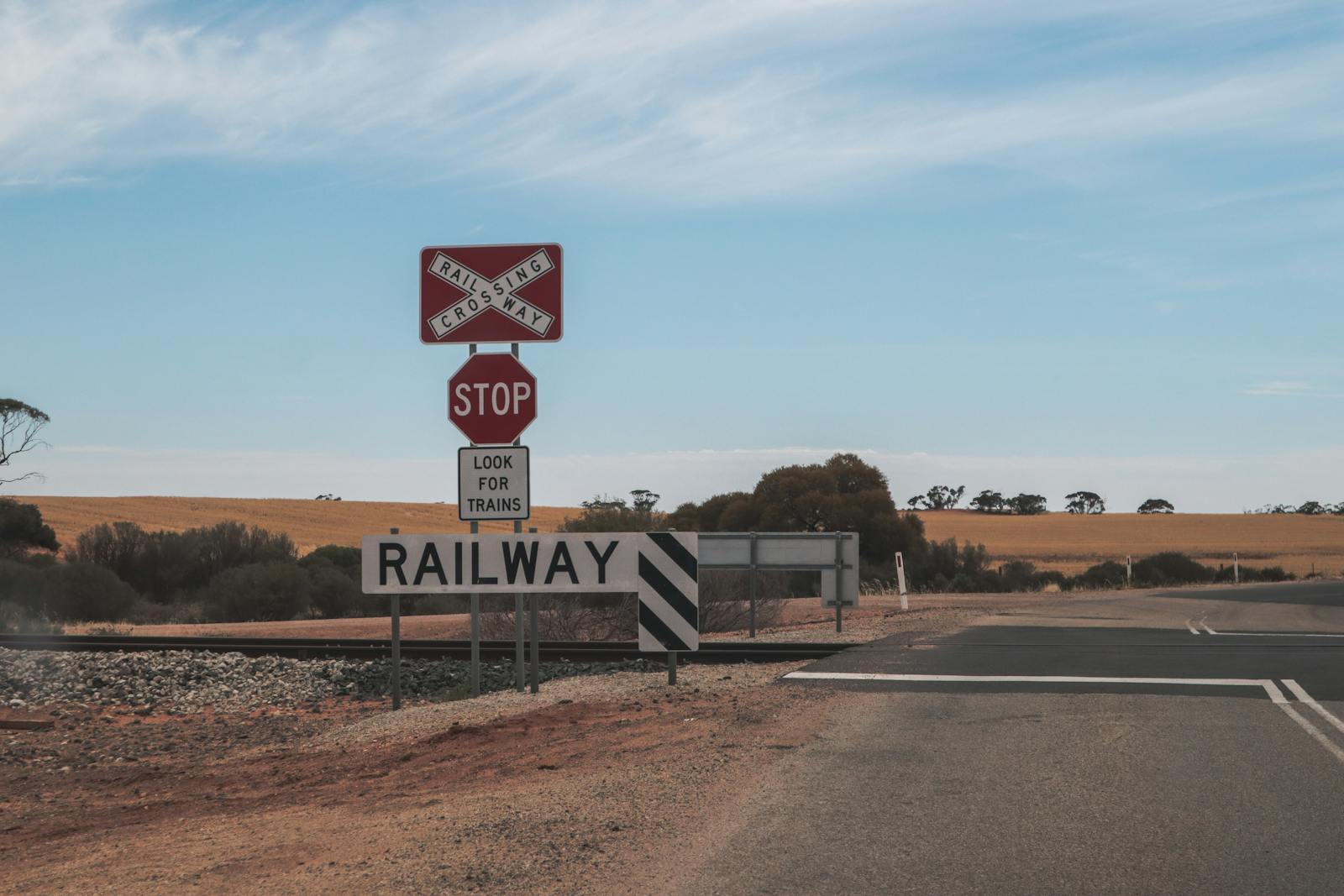
Union Pacific and Houston Police Department have teamed up on Operation UP CARES to target drivers and pedestrians flouting safety rules at railroad crossings. The effort aims to reduce accidents and save lives by enforcing crossing laws and raising awareness about risky behavior near tracks.
What Is Operation UP CARES
Operation UP CARES (Union Pacific Crossing Accident Reduction Education and Safety) is a recurring safety initiative. Every few weeks, UP partners with HPD to observe behavior at railroad crossings, issue warnings, and hand out citations where violations occur.
The focus is on behaviors like:
-
Going around crossing gate arms while they’re lowering
-
Stopping on or too close to train tracks
-
Entering crossings when warning lights or gates are activated
Patrols are supplemented by ride-along observations from inside Union Pacific locomotives, where agents monitor for violations and coordinate with officers on the ground.
Where & How Enforcement Is Happening
-
Operations have been observed along Houston’s southwest side, especially at crossings like Main & Fondren and other key intersections.
-
UP crew members and HPD share reports of unsafe driver behavior. They often identify hotspots based on past violation frequency or observed risk.
-
In one operation, officers issued more than three dozen citations during a morning sweep at several railroad crossings.
Penalties & Legal Consequences
Violations under this program carry real consequences:
-
For many infractions, penalties start at around $250, plus court fees.
-
Court appearances may be required, especially for violations like stopping on tracks or entering during active warnings.
-
Failing to address tickets can lead to warrants or other legal consequences.
Why This Matters
Houston has over 700 railroad grade crossings, many in busy urban or suburban zones. Freight trains (including 100+ trains per day in some corridors) pose serious risk when drivers try to beat trains, ignore signals, or misjudge timing.
Unsafe crossings contribute to:
-
Vehicle-train collisions, which often result in severe injury or worse
-
Disruption to rail traffic and delays
-
Risk to pedestrians and bicyclists who misjudge signals or try to cross improperly
Safety Tips for Drivers & Pedestrians
To avoid accidents and citations, residents are encouraged to:
-
Never try to cross a railroad crossing when gate arms are down or warning signals are active
-
Stay at least 15 feet back from tracks when stopped at crossings
-
Avoid distracted driving: no texting, loud music, or anything that takes focus away from crossing behavior
-
Never drive onto the tracks unless there is space on the other side to clear the crossing completely
-
Always expect a train from either direction, especially at multi-track crossings
What to Watch Next
-
Where the next UP CARES operation will be deployed, especially as data reveals repeat violations or dangerous crossings
-
Whether enforcement will intensify, particularly in high-risk corridors with many crossings
-
Any public awareness campaign tied to these operations (signage, community talks, schools)
-
Potential infrastructure changes like improved lighting, new crossing arms, or signal upgrades at problematic crossings
Conclusion
Railroad crossings are simple in concept but often dangerous in practice. Operation UP CARES sends a clear message: obeying railroad crossing laws isn’t optional. It’s about safety — for drivers, bystanders, and train crews. When we all slow down, stop correctly, and stay alert, the difference can be lifesaving.