



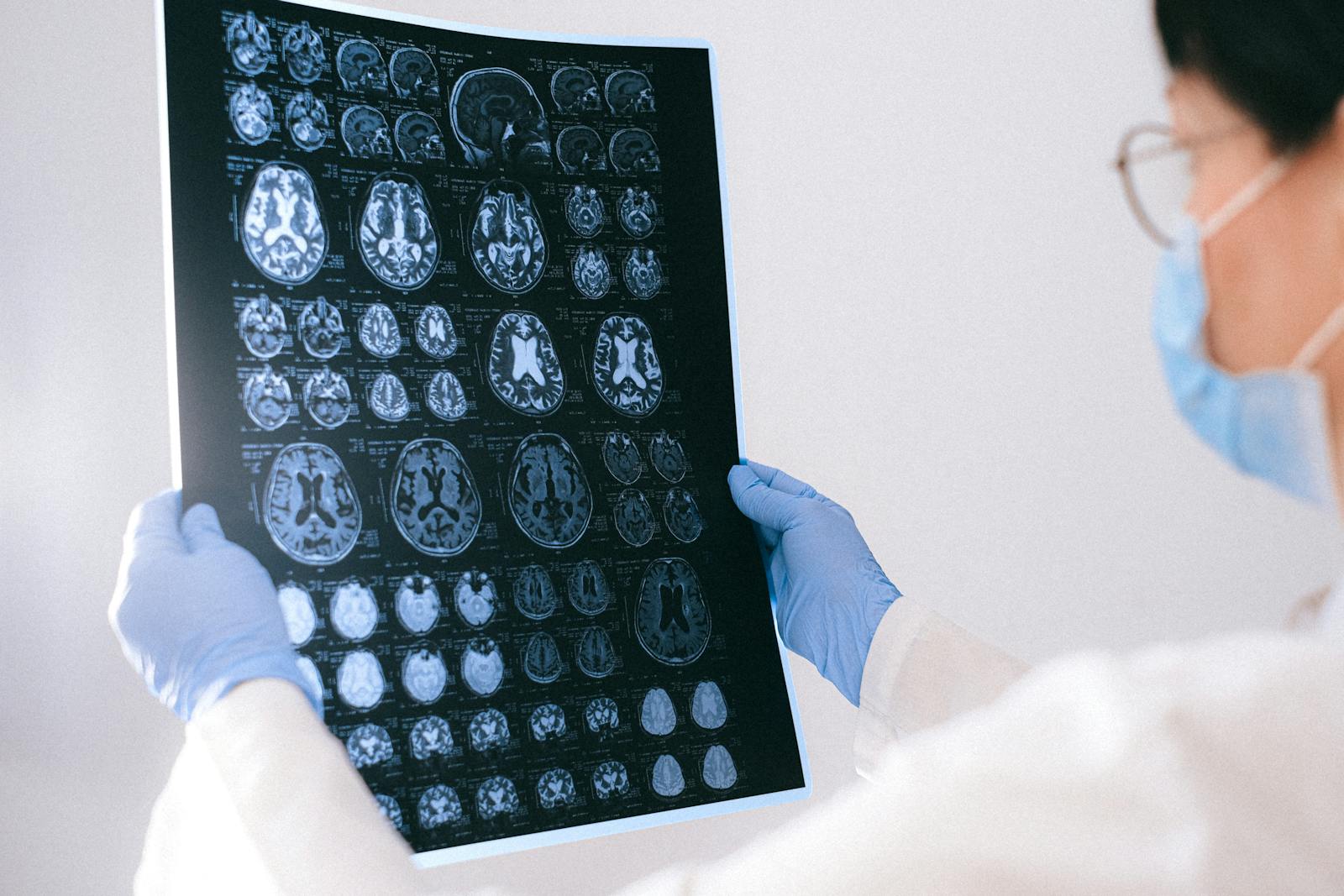
Brain inflammation—known scientifically as neuroinflammation—is increasingly recognized as a driving force in several devastating neurological conditions, from viral encephalitis to Alzheimer’s and Parkinson’s disease. In a promising new development, scientists have engineered microscopic “capsules” that can deliver anti-inflammatory proteins directly into targeted regions of the brain. These AstroCapsules, embedding living human brain cells within biocompatible gels, could sidestep many pitfalls of cell therapy and usher in a new generation of treatments for neurodegenerative and infectious brain disorders.
This article explores how these capsules work, the science behind them, the challenges still ahead, implications for Alzheimer’s and encephalitis treatment, and how close this technology might be to practical human use.
The Problem: Neuroinflammation in Alzheimer’s & Encephalitis
What Is Neuroinflammation?
Neuroinflammation refers to the activation of the immune system within the brain and central nervous system (CNS). It typically involves microglia, astrocytes, and other immune messengers reacting to injury, infection, debris, or chronic insults. While inflammation can be beneficial in acute injury, chronic or uncontrolled neuroinflammation is implicated in tissue damage, neuron loss, and the progression of neurodegenerative disease.
Connections to Alzheimer’s Disease
Alzheimer’s disease is commonly viewed through the lenses of amyloid-beta plaques and tau tangles, but inflammation is now understood as a co-driver. In many patients, a vicious cycle emerges: protein aggregates provoke an immune response, the resulting inflammation damages neurons, and neuron damage in turn further activates the immune system.
Neuroinflammation is also hypothesized to link infections or brain insults (e.g. viral encephalitis) to accelerated Alzheimer’s pathology. Some researchers are investigating whether repeated viral or bacterial insults might “prime” the brain’s immune system for degeneration later in life.
Encephalitis & Acute Inflammation
Encephalitis is acute inflammation of the brain, often triggered by viruses, bacteria, or autoimmunity. It can cause rapid neurological decline, seizures, cognitive dysfunction, and—if not mitigated—permanent brain damage or death. In such cases, controlling inflammation swiftly is critical, but systemic therapies often struggle to cross the blood-brain barrier or have side effects.
Why Therapeutic Delivery in the Brain Is Hard
-
Blood-Brain Barrier (BBB): The BBB is a highly selective filter protecting the CNS from harmful substances. Many drugs fail to cross it in sufficient amounts.
-
Immune Rejection: Implanted cells or biologics can provoke host rejection or inflammatory response.
-
Precise Targeting: Inflammation is often localized; a blanket therapy may dilute effect or cause side effects.
-
Cell Migration: Therapeutic cells delivered directly can migrate unpredictably, causing off-target effects.
-
Stability & Longevity: Many therapies degrade or lose potency over time in the brain environment.
The Innovation: AstroCapsules & Hydrogel Encapsulation
What Are AstroCapsules?
AstroCapsules are tiny hydrogel-based capsules developed by a joint research team from a major medical research institute and a leading bioengineering university. Inside each capsule is a population of human astrocytes, a type of star-shaped glial cell native to the brain that supports neurons and modulates inflammation.
The astrocytes within these capsules are genetically engineered to produce interleukin-1 receptor antagonist (IL-1Ra), an anti-inflammatory protein that blocks the action of interleukin-1, a key pro-inflammatory cytokine. In effect, the capsules become localized manufactures of anti-inflammatory agents, releasing IL-1Ra close to the site where it is needed.
How the Capsules Overcome Common Challenges
-
Physical barrier to immune rejection: The hydrogel shell isolates the implanted cells from direct contact with brain tissue, reducing the risk of immune attack or host rejection, while still allowing passage of the therapeutic protein.
-
Localization: Because the capsules can be placed in precise brain regions, inflammation suppression can be focused without widespread immunosuppression.
-
Controlled secretion: Engineered astrocytes continuously produce IL-1Ra locally, reducing peaks and troughs associated with periodic drug injections.
-
Reduced migration: The capsule architecture prevents the cells themselves from migrating to other brain regions, thereby limiting off-target effects.
-
Stability: The encapsulation enhances the longevity and durability of the therapy compared to free cell transplants.
Preclinical Validation: Organoids & Animal Models
In laboratory settings, researchers tested the AstroCapsules in:
-
Brain organoids (three-dimensional mini-brain models) to observe how inflammation markers responded in human-like neural tissue.
-
Mouse models of neuroinflammation or Alzheimer-like pathology.
Results showed that placing AstroCapsules in affected zones reduced inflammatory biomarkers, preserved neuronal integrity, and evaded immune rejection more effectively than unprotected cell implants.
Deep Dive: Mechanism & Engineering
Engineering the Astrocytes & Genetic Modification
The human astrocytes were genetically modified to express IL-1Ra when triggered by inflammation. That is, they respond to inflammatory signals by upregulating protein release, thereby creating a feedback mechanism tuned to inflammation levels.
Hydrogel Design & Biocompatibility
The hydrogel capsule material is biologically inert and permeable to small molecules like cytokines while blocking immune cells. Its mechanical properties are tuned to match brain tissue stiffness, reducing mechanical mismatch and inflammation from the implant.
Placement & Delivery Methods
Delivery likely involves stereotactic neurosurgical techniques, placing capsules in targeted regions (e.g., hippocampus, cortex, or sites of known neuroinflammation). Because the capsules are small and modular, multiple placements are possible.
Safety Features
-
Fail-safe designs: The capsule system is engineered so that, if something goes wrong (e.g. runaway expression), the therapy can be deactivated or removed.
-
Minimal invasion: The implantation is designed to minimize surgical trauma.
-
Redundancy: Overlapping placements and redundancy help ensure coverage even if some capsules become nonfunctional.
Potential Applications & Disease Targets
Alzheimer’s Disease
By mitigating chronic neuroinflammation in regions burdened with pathology, AstroCapsules could help slow neuronal loss, preserve cognitive function, and possibly complement therapies aimed at plaques or tangles.
Viral Encephalitis & Brain Infections
For acute infections, the capsules may help dampen harmful inflammation that otherwise aggravates injury. In settings where antiviral therapy is used, AstroCapsules could protect surrounding tissue from immune-mediated damage.
Other Neurodegenerative & Inflammatory Diseases
-
Parkinson’s disease: Regions like substantia nigra often experience inflammation contributing to neuron death.
-
Multiple sclerosis (MS): Focal inflammation in the CNS could be modulated.
-
Traumatic brain injury (TBI): Inflammation after trauma can exacerbate damage; localized suppression may help recovery.
Challenges & Hurdles Before Clinical Translation
Safety & Side Effects
-
Long-term stability and toxicity of capsule materials
-
Risk of off-target effects or interference with normal immune surveillance
-
Potential for capsule rupture or degradation
Scalability & Manufacturing
-
Producing uniform, sterile capsules at scale
-
Ensuring reliable batch-to-batch consistency
-
Regulatory compliance for cell-based medicinal devices
Implantation Risk & Neurosurgery
-
Any brain surgery carries risk of hemorrhage, infection, or collateral damage
-
Optimizing minimal invasiveness and recovery
Regulatory & Ethical Path
-
Classifying the therapy (device, biologic, combination) under regulatory frameworks
-
Establishing benchmarks for safety, efficacy, reversal strategies
-
Long-term monitoring for unintended effects
Patient Selection & Biomarkers
-
Identifying which patients or disease stages will most benefit
-
Using biomarkers (imaging, cerebrospinal fluid, blood) to locate inflammation and monitor response
-
Balancing early intervention vs. overtreatment risks
Cost & Access
-
Such advanced therapies may be expensive—access and insurance coverage will be central challenges
-
Ensuring equity of access across populations
Implications for Neuroscience, Medicine & Texas Research
Boosting Neurotherapeutics
The success of AstroCapsules could open a new class of cell-based immunomodulatory therapies for the brain, beyond Alzheimer’s or encephalitis, potentially transforming treatment paradigms.
Texas as a Research Hub
Because the lead researchers are affiliated with institutions in Texas, this breakthrough reinforces the state’s rising reputation in neuroengineering and biotech. If supported by public funding and translation infrastructure, Texas could become a global center for brain-based therapies.
Intersections with Alzheimer’s Research Funding
Texas voters are considering investments in dementia research infrastructure, and promising breakthroughs like AstroCapsules may help justify funding and accelerate momentum toward clinical deployment.
Projected Timeline & Next Steps
-
Further preclinical validation: Larger animal studies, long-term follow-up, safety endpoints
-
Toxicology & biodistribution studies: Ensuring no migration, no tumor risk, etc.
-
Regulatory clearance for first-in-human trials: Likely small safety trials in selected neurological patients
-
Phase I/II trials in Alzheimer’s or encephalitis: Safety, biomarker effects, dose-finding
-
Larger efficacy trials (Phase III): Measuring cognitive outcomes, survival, quality of life
-
Commercial development & manufacturing scale-up
The journey from the lab to clinic likely takes 5 to 10 years, assuming favorable results and funding support.
What This Means for Patients & Families
-
Hope amid few options: Alzheimer’s currently lacks curative therapies; this offers a new pathway
-
Complementary, not substitute: These capsules would likely work alongside other interventions (antivirals, plaque-removal therapies, lifestyle approaches)
-
Precision approach: Only patients with demonstrable neuroinflammation may benefit
-
Ethical considerations: Early adoption must be cautious, with transparency, monitoring, and patient consent
FAQ
Q: What is IL-1Ra and why is it important?
IL-1Ra (interleukin-1 receptor antagonist) is a naturally occurring protein that blocks the signal of interleukin-1 (IL-1), a major inflammation mediator. By preventing IL-1 activity, IL-1Ra helps reduce inflammation in tissues, including the brain.
Q: Why use astrocytes rather than other cell types?
Astrocytes are native support cells in the CNS and already have roles in maintaining homeostasis, nutrient transport, and modulating inflammation. They are well-suited to integrate with brain tissue and respond to local signals.
Q: Do AstroCapsules cure Alzheimer’s?
Not at present. They are a promising tool to address one pathological component—chronic inflammation. Alzheimer’s is multifactorial; combination therapies will likely be needed.
Q: Can the capsules be removed or shut down if problems arise?
Yes. One design principle is a fail-safe or removable strategy, allowing clinicians to deactivate or remove capsules if adverse effects occur.
Q: Are there risks to implantation in the brain?
Yes. Brain surgery carries potential risks including bleeding, infection, edema, and damage to adjacent tissue. Meticulous surgical technique and patient selection are essential.
Q: When might this reach patients?
Optimistically, early human trials may begin in 5–7 years, with broader clinical use possibly a decade or more, depending on results and regulatory path.