


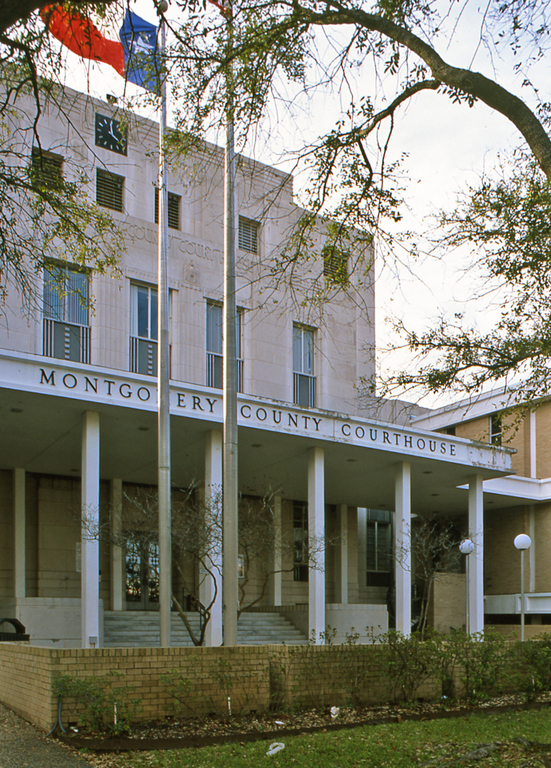
Montgomery County Commissioners Court has approved a major reconfiguration of its existing courthouse facilities as part of a short-term strategy to address space shortages before the launch of a new criminal district court in September 2026.
Inside the Approved Plan
The initiative reallocates courtroom and office space across the county’s courthouse and the nearby James H. Keeshan Building in Conroe.
Key actions include:
-
Creating dedicated chambers and courtroom facilities for the incoming 523rd District Court, authorized earlier this year to help manage rising case volumes.
-
Freeing two additional courtrooms through office relocations and optimized space layouts.
-
Funding the work with roughly $500,000 in unspent judicial operational funds from 2025—ensuring no impact on the county’s general budget or taxpayers.
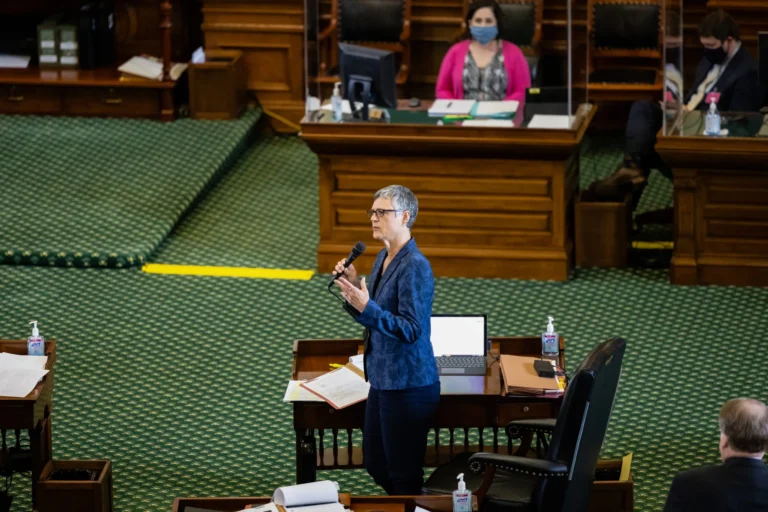
District Judge Kristin Bays called the measure a “tourniquet solution,” noting that while it relieves pressure now, the county must continue pursuing a permanent fix.
Why It Matters
Montgomery County’s court system has struggled to keep up with population growth and increasing case filings. The courthouse, decades old, is over capacity, with judges frequently competing for courtroom availability. Judicial studies have repeatedly recommended new facilities to handle projected growth.
Commissioners acknowledged that the reallocation will provide much-needed relief while they plan a comprehensive courthouse development strategy—one that could include new construction within the next several years.
Implications for Residents
For residents, the changes mean:
-
Reduced scheduling delays and improved access to hearings and filings.
-
No tax increase, since funding will come from existing departmental budgets.
-
A signal of momentum, demonstrating that officials are proactively responding to longstanding space and workload challenges.
Next Steps
County engineers and facility managers will begin retrofitting space immediately to ensure readiness for the new court’s September 2026 debut. At the same time, planning continues for a long-term courthouse facility, including potential site selection and financing options.
Officials expect the data gathered from this interim setup to inform how the next courthouse is designed—particularly how many new courtrooms and administrative offices future demand will require.
The Bigger Picture
Montgomery County’s population has surged over the past decade, outpacing its judicial infrastructure. The Commissioners Court’s latest decision represents both a practical response and a symbolic step forward: acknowledgment that sustainable growth requires institutional modernization.
Judge Bays summarized it best: “This isn’t the final answer, but it’s a responsible start.”