


HOUSTON — November 13, 2025:
Just days after the Houston Rockets traded away former first-round pick Cam Whitmore, a dominant team victory flashed a clear message: the move may have been the right call after all.
In their fallout-free win last week, the Rockets looked crisp, balanced and detached from the off-court noise surrounding the swap. With fresh faces stepping up and roles cementing rapidly, Houston’s front office appears to have backed out of a gamble on a young scorer and doubled down on depth and fit.
The Trade That Raised Eyebrows
Houston sent Whitmore to the Washington Wizards in a deal that yielded two second-round picks — enough to generate chatter, and lots of it. Whitmore, a high-potential wing with explosive scoring bursts, left behind supporters who believed in his breakthrough and critics who questioned his fit in Houston’s emerging culture.
Some league watchers saw the move as a retreat: giving up a young lottery-type for minimal immediate return. Others applauded the logic: Houston was evolving fast — adding veterans, shortening preparation windows — and a developing scorer with defensive gaps might have simply slowed things down.
One Game, One Statement
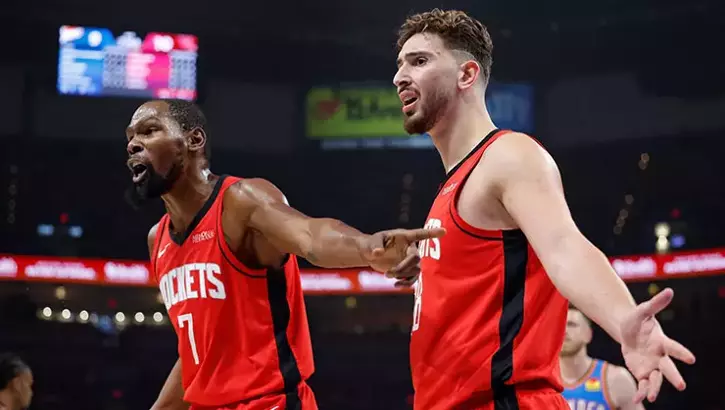
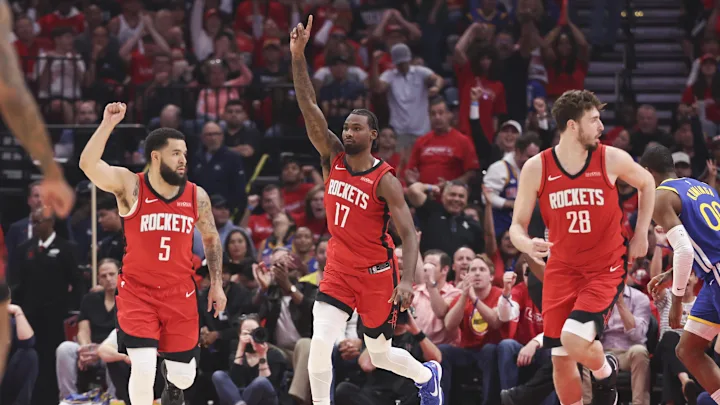
Enter the next night’s win. The Rockets delivered a comprehensive 130-106 victory, with the team’s new look executing fluidly on both ends of the floor. Ball movement was sharp, rotations were clean, and the second unit carried energy rather than relying on isolation plays.
Where Whitmore’s game once leaned almost entirely on his own scoring punch, Houston’s current identity leans on spacing, role clarity and shared responsibility. In that frame, the trade begins to make sense.
Coach Ime Udoka remarked after the game: “We built this to win tonight, tomorrow, and five years from now. That means every player has a role — every possession matters.”
Fit Over Flash
Whitmore was never lacking for highlights — aerial finishes, burst-to-rim drives, raw scoring ability. But in a deeper Rockets roster that now features older voices, more veterans, tighter timelines, the question became: Could he carve out a role that fits the system now?
The answer: maybe not. The team pivoted toward veterans and two-way contributors, and the roster balance shifted accordingly. In that sense, trading Whitmore may have been less about giving up on a player and more about accelerating a timeline.
One front-office source summarized it quietly: “The picks are nice. The timing is better.”
What the Return Holds
Two second-round picks may sound modest — but for a contending franchise, they can represent flexibility. Whether packaged later, used in draft or kept for future moves, they give Houston optionality.
Moreover, the move sends a message to younger players: development is expected, fit matters, and rollback is not always waiting in the wings. In that regard, the Rustle of a major young player moving on may serve as a subtle reminder of standards.
Fan Reaction and Future Watch
Fans across social media had immediate reactions — disappointment from Whitmore advocates, relief from those embracing the new direction. But one thread runs consistent: Houston is now in “win-now” mode. That means fewer patience tokens and more accountability.
The next season will be the true test. If the Rockets continue to win and the picks translate, the trade will be justified in hindsight. If they stumble, the decision will be revisited and dissected.
Whitmore’s progress in Washington will be watched closely — if he thrives, Houston’s choice will appear sharper still. If he struggles, they’ll feel even more validated.
FAQ
Q: Did the Rockets give up too much for Cam Whitmore?
It depends: raw talent was there, but fit, timing and roster construction were the priorities.
Q: Will the second-round picks be impactful?
Possibly. Seen through a long-view lens, they add flexibility and value in a competitive window.
Q: Should Rockets fans worry about Whitmore’s future success?
Not necessarily. This move was about the team’s trajectory more than one young player’s upside.