

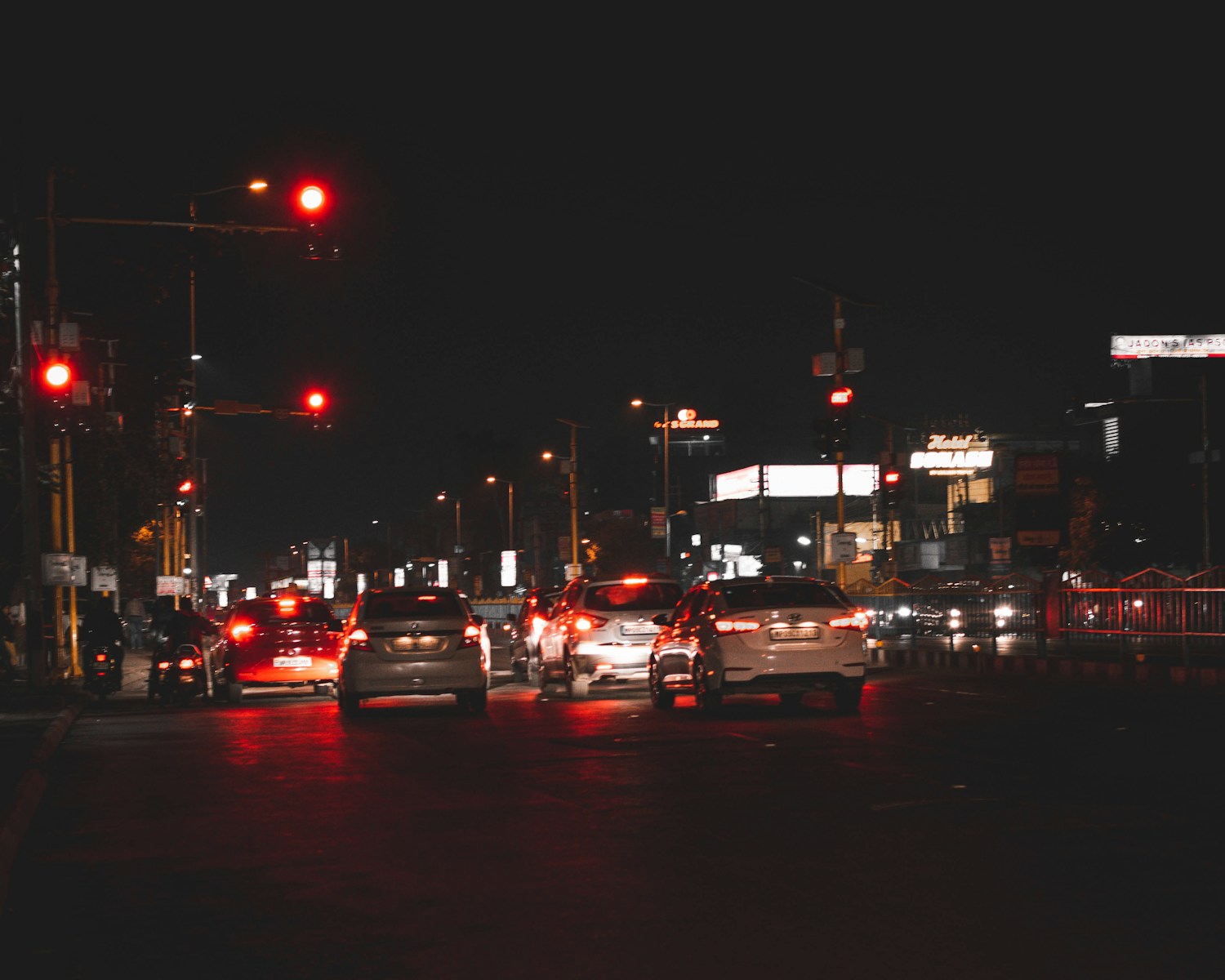
November 3, 2025 — Emergency responders in Houston faced an unusually high number of calls early Monday morning, as data from the city’s active-incident tracker revealed a significant surge in both EMS and traffic-related incidents. The uptick in service requests highlights persistent challenges faced by the city’s emergency services and provides fresh insights into the realities of Houston’s overnight traffic patterns.
The Surge in Numbers
Houston’s Emergency Operations Center reported a 23% increase in service calls between midnight and 4 a.m. this morning compared to last week. Calls for accidents, including fender-benders and more serious wrecks, accounted for a substantial portion of the incidents. Additionally, the number of medical emergency responses, especially related to alcohol consumption and possible overdoses, spiked in areas such as Midtown and Washington Avenue — Houston’s nightlife hubs.
The incidents appear to align with a combination of factors: increased late-night activity due to Halloween weekend events, alcohol consumption, and fatigue-related driving.
Contributing Factors
Emergency service agencies point to a few key factors contributing to the spike in incidents:
-
Weekend aftermath: The conclusion of Halloween festivities likely led to late-night driving, often impaired, and increased traffic on streets close to entertainment districts.
-
Nightlife district volume: Areas like Midtown, the Heights, and Washington Avenue saw a heavier-than-usual volume of foot traffic and drivers during peak hours.
-
Seasonal changes: Cooler temperatures and dry weather meant more people ventured out for nighttime events, leading to an increased risk of pedestrian accidents and impaired driving.
First Responders Overwhelmed
The surge in emergency calls caused a temporary backlog in response times, according to the Houston Fire Department (HFD). On average, EMS units were delayed by nearly five minutes in some parts of the city, compared to the usual response time of 3.5 minutes.
“While our teams worked tirelessly, this volume of calls strained resources,” said Captain Mark Fields of the HFD. “It is a reminder of how important it is for both citizens and our city officials to work together in maintaining safety, especially during times of high traffic and heavy foot traffic.”
What Is Being Done
-
Citywide Alert System: Houston officials have called for a review of traffic flow in high-volume zones, with plans to implement temporary traffic control measures in areas most affected.
-
Increased Patrols: As a result of the surge, the Houston Police Department (HPD) is expected to step up patrols, especially in entertainment districts, where DUI arrests and accidents are common overnight.
-
Public Awareness: Health officials are running an increased public awareness campaign, urging residents to avoid driving while impaired and to use ride-sharing services after late-night outings.
The Impact on Local Residents
Local residents and businesses in affected neighborhoods expressed concern about the strain on public safety. Some voiced frustration at what they perceive as inadequate measures to prevent impaired driving and pedestrian accidents in areas where nightlife is concentrated.
“Every weekend, the same thing happens. There are crashes and delays, and then people wait around for help,” said Joanna Ramirez, a resident of the Heights. “We need more streetlights, safer crosswalks, and more police presence in high-traffic areas.”
Looking Ahead
City officials have pledged to continue their review of the active-incident tracker and make necessary adjustments to Houston’s emergency response infrastructure.
-
Revised Traffic Patterns: Expect traffic studies to be launched in several key areas, especially where pedestrian and vehicular accidents are most frequent.
-
Public Outreach Campaign: Public service messages aimed at promoting safer driving during late hours will be rolled out across local radio and digital platforms.
Final Reflection
The surge in overnight emergency calls sheds light on the challenges Houston faces in keeping its streets safe amid increasing population density, nightlife, and urban expansion. For residents, it’s a reminder that the city’s safety depends not just on emergency responders but also on responsible behavior and a community-wide effort to prevent accidents before they happen.