

The phrase Houston heat island effect is no longer science-jargon—it’s a lived reality for large swathes of the city. According to a recent study by Texas A&M University, more than 10,000 acres of abandoned buildings and approximately 45,000 acres of paved, vacant lots in Houston significantly raise local land surface temperatures—by up to 20 °F in some areas.
That kind of heat isn’t just uncomfortable—it creates real risks for public health, economic vitality, and urban livability.
Why the Houston Heat Island Effect Is Accelerating
Researchers analysed drone imagery and NASA satellite data across the Houston metro and found that parcels with exposed concrete and derelict structures absorb and store heat far more efficiently than vegetated or active properties. At dusk, these surfaces release warmth slowly, keeping surrounding neighbourhoods hotter through the night.
-
Vacant‐pared landscapes account for roughly 45,000 acres, many in inner suburbs and major redevelopment zones.
-
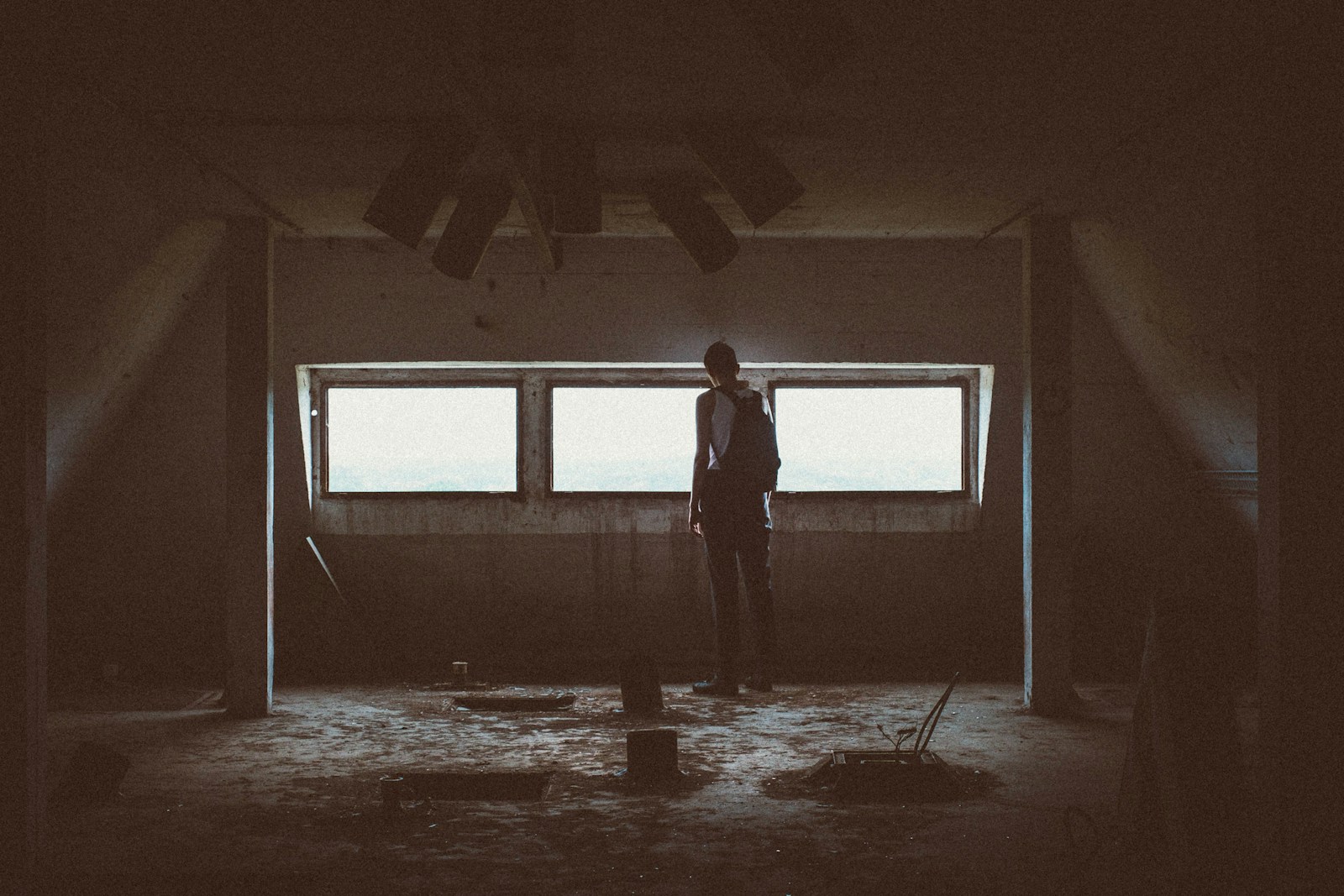
Abandoned buildings, shuttered for years, trap heat and reflect sunlight in ways that raise local ambient temperatures dramatically.
-
Without tree cover or green infrastructure, residents lack natural cooling, while city utilities face increased demand for air-conditioning.
How the Houston Heat Island Effect Affects Locals
For residents and developers, the consequences of the Houston heat island effect go well beyond “hot-day discomfort”:
-
Health risk: Heat-related illness becomes more likely as neighbourhoods remain hotter into evening.
-
Walkability and outdoor life: Sidewalks and public spaces become less attractive; sidewalks that might average 95 °F by afternoon push toward 110 °F in hot spots.
-
Economic drag: Hot zones can deter new residents or visitors and produce higher cooling costs for businesses and households.
-
Urban redevelopment challenge: As Houston aims to promote outdoor activation and pedestrian-friendly spaces, the heat island effect threatens those efforts.
What Houston Is Doing—and What It Must Do
Houston’s leaders and non-profits aren’t ignoring the warning signs. Efforts include:
-
The city’s “Resilient Houston” plan sets a target of planting 4.6 million trees by 2030, prioritising areas with severe heat-island metrics.
-
Downtown redevelopment initiatives aim to retrofit older lots and encourage light-colored roofs, shade structures, and green spaces.
-
Non-profits like Trees for Houston are organising major planting drives, though they note tree-mortality and developer coordination remain concerns.
Still, the gap between ambition and scale remains vast. With development constantly adding hard surfaces and old structures lingering unused, the heat island effect may worsen before mitigation catches up.
What to Watch Next
-
Will the city revise zoning and redevelopment incentives to prioritise green infrastructure in heat-intense zones?
-
How will summer and early-autumn energy demand shift in neighbourhoods identified as heat islands?
-
Can developers and land-owners be persuaded—or mandated—to replace derelict lots with shaded parks, reflective surfaces or urban canopy?
-
Will residents in vulnerable zones mobilise for heat-island mitigation funding and policy change?