


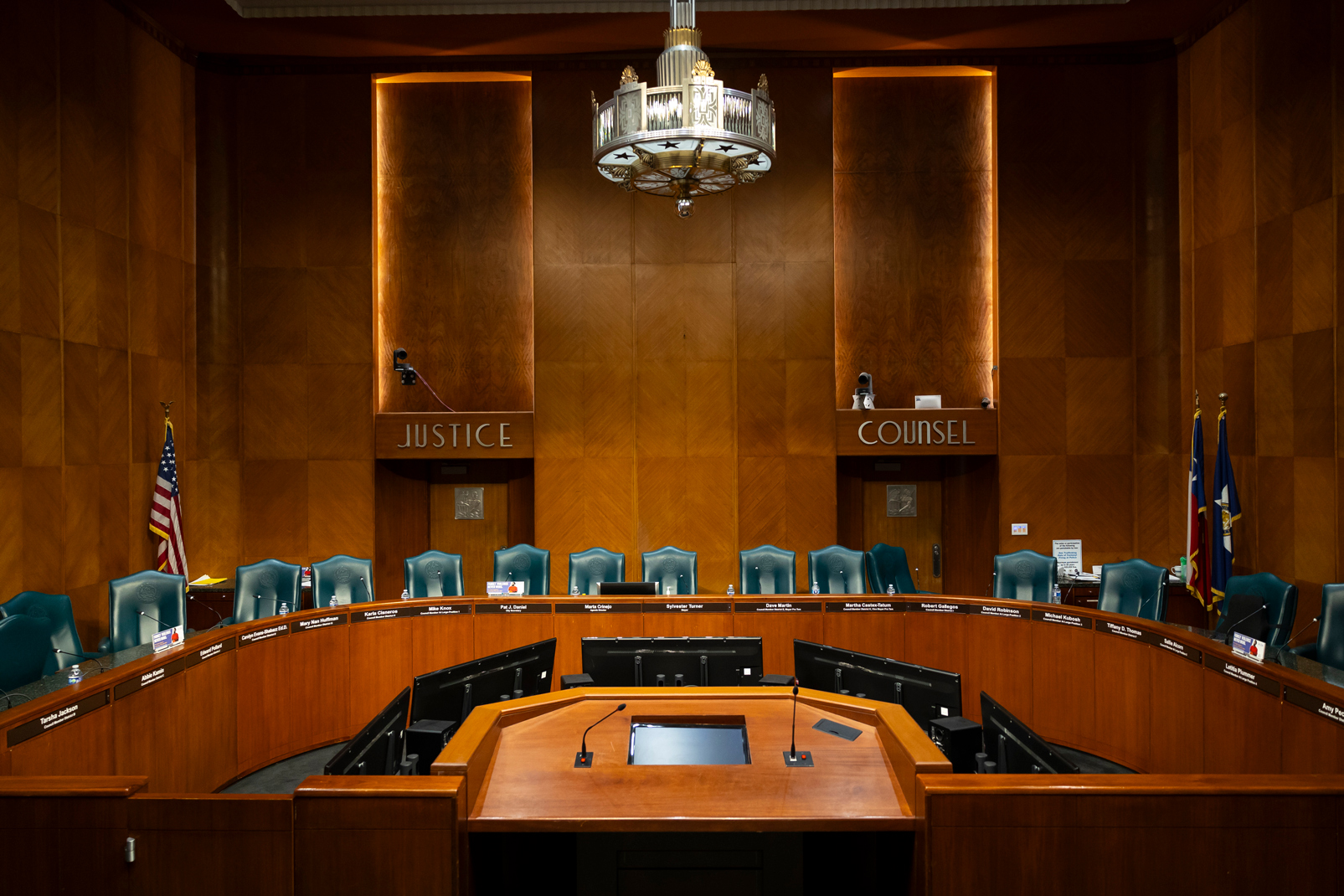
On October 15, Houston’s City Council cast a decisive 12–3 vote to maintain the current property tax rate, sidestepping a proposed increase even as the city faces significant financial headwinds. The decision means the city must tap roughly $53 million in reserves to balance the books for fiscal year 2026.
Despite the flat rate, city leadership warns that the move deepens structural pressures—especially as longer-range forecasts point to larger deficits in years ahead.
The Numbers Behind the Decision
-
The property tax rate remains at 51.91 cents per $100 valuation, combining maintenance/operations and debt service components.
-
The adopted rate is identical to the past two years, resisting the maximum allowable rate (per state/local caps) used to plan the FY 2026 budget.
-
By choosing not to increase the rate, the city budget must now compensate for a $53 million shortfall beyond the baseline.
-
To fill the gap, Houston’s finance team will draw upon its fund balance—reserves intended for emergencies, capital costs, or economic shocks.
This action deepens a fiscal imbalance already flagged by city officials and oversight bodies, who project widening General Fund deficits if new revenue or cost savings don’t materialize.
Dissent and Risk Warnings from Within
A trio of dissenting council members—Abbie Kamin, Edward Pollard, and Budget Chair Sallie Alcorn—voiced sharp concerns ahead of the vote. Their warnings centered on:
-
Eroding Reserve Levels: Alcorn noted that tapping reserves further weakens the city’s cushion against future shocks or disasters.
-
Compounding Deficits: A reliance on reserves today leads to heavier burdens later, potentially inflating future deficits to hundreds of millions.
-
Limited Fiscal Flexibility: Without new revenue streams, maintaining services like public safety, roads, waste, and libraries becomes harder under cost pressure.
Controller Chris Hollins also raised alarms, calling the shortfall “self-inflicted” and pointing out that the city would need to rely more heavily on reserves—funds typically held for storms, emergencies, or fiscal emergencies.
Leadership’s Rationale: Holding Off on Tax Hikes
Mayor John Whitmire and backing council members defended the decision on several grounds:
-
Affordability Concerns: With high inflation and cost-of-living pressure, leadership argues residents are already strained.
-
Efficiency First: The mayor maintained he won’t raise taxes until waste, inefficiencies, and duplicative spending are addressed.
-
Commitment to a Revenue Strategy: Officials suggest a broader plan is in development—even if not fully disclosed yet—to stabilize long-term finances without further burdening homeowners.
Council members who supported the flat rate echoed trust in the administration’s ability to trim expenses and drive internal reforms before asking for more.
Long-Term Outlook: Larger Storms Ahead
While today’s vote forestalls near-term pain at the tax level, the city’s financial forecasts remain sobering:
-
In later years, deficits of $227 million in 2027 and $463 million by 2030 are projected if no structural changes occur.
-
Maintaining service levels amid inflation, pension costs, and rising contract expenses will stretch already tight budgets.
-
The city’s reliance on reserves is finite; once drawn down, it becomes harder to recover without revenue growth.
-
Credit rating agencies have flagged Houston’s balance sheet risks, warning that continued reserve depletion may lead to lower ratings and higher borrowing costs.
Some council members have floated alternative options—raising the tax rate within allowed caps, introducing new fees, or revisiting city revenue tools. But none of those paths were chosen this cycle.
Fiscal Tools Not Yet in Play
Houston is constrained by state and local mandates governing how much revenue it can raise via property taxes (caps and “no-new-revenue” calculations). The city could:
-
Raise taxes up to allowed caps (if approved through procedural or legal mechanisms)
-
Implement new user fees or service charges (trash, utilities, permits)
-
Audit, consolidate, or trim departments to find savings
-
Seek state or federal grants or shared revenue strategies
-
Reevaluate capital projects or postpone nonessential work
For now, city leadership is relying on a mix of budgeting discipline and trust in future adjustments.
Frequently Asked Questions (FAQ)
Will homeowners’ tax bills go up anyway?
Possibly. Even though the rate is unchanged, increased property valuations (reappraisals) can cause higher total tax liability for individual owners.
What are city reserves?
Reserves are savings set aside for emergencies, revenue shortfalls, or capital funding. Using reserves now reduces the cushion available for future crises.
Is a tax hike still on the table?
Yes—some council members and city staff indicate that raising the cap or introducing modest increases may be revisited in future budget cycles.
How big is the city’s budget?
Houston’s all-funds budget runs in the billions each year, with the General Fund financing core city services like police, fire, sanitation, and public works.
What services might get squeezed?
Departments dependent on the General Fund—parks, libraries, street repairs, public infrastructure—are most vulnerable under tight revenues.