



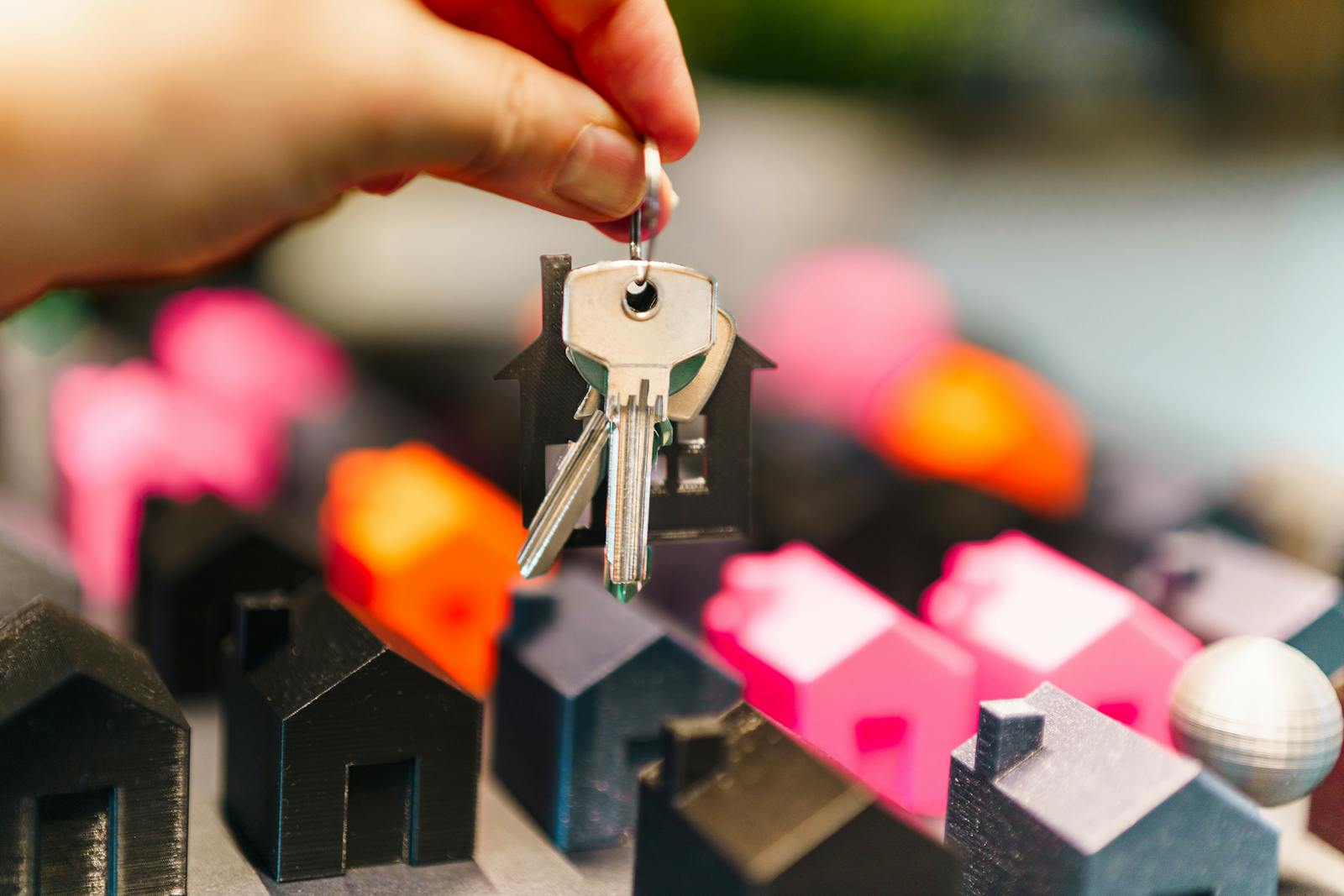
In a major move within Houston’s retail real estate sector, Getty Realty Corporation announced the closing of a $100 million sale-leaseback transaction involving 12 convenience stores spread across the Houston metropolitan area. This deal not only strengthens Getty’s presence in Texas but also underscores the shifting strategies in retail real estate—where operators monetize real estate assets while retaining operational control.
In this article, we break down what a sale-leaseback means, the implications of this transaction for Houston’s retail and real estate markets, strategic motives for both Getty and the store operators, and the broader trends it illustrates.
What Happened: The Transaction Unpacked
Details of the Deal
Getty Realty acquired ownership of 12 convenience store properties in and around Houston through a sale-leaseback structure. Under this arrangement:
-
The original property owners (or operators) sold their real estate holdings to Getty.
-
Simultaneously, they entered into long-term lease agreements with Getty to continue operating those convenience stores.
Thus, the operators free up capital tied in real estate, while Getty gains stabilized rental income from tenants already occupying the stores.
While full details (such as lease durations, rent escalation terms, tenant creditworthiness, or exact locations) have not been publicly disclosed, the total valuation of the transaction is estimated at $100 million.
Why Houston?
Houston, as one of the fastest-growing metro areas in the U.S., remains an attractive market for retail real estate. Key reasons this deal centers on Houston:
-
Strong demographics: population growth, household formation, and consumer traffic trends support convenience retail.
-
Geographic reach: Houston’s sprawl ensures many neighborhoods lack dense retail clusters—convenience stores serve daily needs.
-
Real estate value potential: properties in key corridors appreciate, giving upside to Getty over time.
-
Existing presence: Getty likely already held or tracked retail assets in the region, making expansion operationally synergistic.
Sale-Leaseback: Strategy & Benefits
Why would operators combine selling their stores with leasing them back? And why would a company like Getty participate? Below are the strategic rationales.
For the Store Operators
-
Capital release
Converting illiquid real estate into cash—funding expansion, debt paydowns, or reinvestment in operations. -
Operational focus
Post-sale, operators can focus on core retail business (inventory, customer experience) without real estate maintenance burdens. -
Balance-sheet enhancement
Selling real estate can free up capital on the balance sheet and improve financial ratios. -
Risk sharing
The operators transfer real estate market risk to the buyer but retain operating continuity through the lease.
For Getty Realty
-
Stable rental income
Leasing to existing operators reduces vacancy risk if tenants are already proven businesses. -
Real estate upside
Getty holds the property long-term, capturing appreciation in a growing market. -
Diversification
Adding 12 new assets in Houston expands Getty’s footprint and tenant base, spreading market risk. -
Structured returns
Sale-leasebacks are often structured with rent escalations and terms that provide attractive returns.
Implications for Houston’s Retail & Real Estate Landscape
Investor Confidence in Texas Retail
This deal signals that investors continue to view Houston retail as resilient—even amid e-commerce competition. It suggests confidence that convenience retail (fuel, food, necessities) remains essential and insular to online disruption.
Reinforcement of Sale-Leaseback Models
Sale-leasebacks are increasingly a tool in the toolkit for retailers and real estate investors. This high-profile deal nudges others toward similar strategies, especially in Sunbelt markets with growth potential.
Pressure on Smaller Operators
While large chains or capable groups can engage in these transactions, smaller, independent operators may not have the scale or credit to participate. It may create competitive disparity—those who monetized their real estate gain more flexibility.
Neighborhood-level Impact
The specific locations of these 12 stores matter. They may anchor shopping nodes, support adjacent retail, or gain from urban infill. Changes in ownership can lead to property upgrades, facade improvements, or new lease terms that affect local commerce.
Risks, Challenges & Considerations
Even a well-structured deal carries risks:
-
Tenant default risk: If operators struggle to pay rent, Getty may be left with vacancies.
-
Lease escalation vs. market shift: If rent increases outpace market demand, tenants may hit stress.
-
Concentration risk: Having 12 asset sites in one metro increases exposure to local downturns.
-
Maintenance & capital expenditure: Getty inherits the real estate upkeep obligations, which vary by property condition.
-
Competition & regulation: Local zoning, rate controls, or community objections could constrain future uses.
Getty will need active asset management, oversight of tenants’ performance, and contingency planning for properties that underperform.
Strategic Outlook & Forecast
Over the next 5–10 years, here’s how the trajectory might unfold:
-
Stabilization phase (Years 1–2): Getty ensures tenants meet leases, property conditions are optimized, and operating efficiencies integrated.
-
Rent escalation & refinance: Getty may renegotiate leases or refinance properties as credit and cash flow solidify.
-
Value-add improvements: Upgrading facades, signage, or amenities to boost rents and property value.
-
Potential dispositions: Getty may sell off well-performing assets for profit or reinvest proceeds in higher-growth markets.
-
Expansion and replication: This Houston deal may be the template for additional sale-leaseback portfolios in other Sunbelt metros.
If Houston’s population and retail demand continue rising, Getty stands to benefit handsomely.
What It Means for Stakeholders
For Getty Realty
This acquisition bolsters revenue streams and diversifies into Houston’s growth engine. Successfully deploying capital and managing execution will reaffirm Getty’s reputation and investor confidence.
For Store Operators
They may find fresh capital to expand operations, open new locations, or modernize stores. But they must succeed in lease performance—failure carries operational risk.
For Houston Communities
This deal may lead to property enhancements, better retail experiences, and steady local tax revenue (property taxes remain with Getty). But community input and consistency of operators matter—new ownership should stay aligned with neighborhood character.
FAQ
Q: What is a sale-leaseback?
It’s when an owner sells a property to an investor, then immediately leases it back, maintaining operational control while freeing capital.
Q: Why would a retailer sell then lease their own stores?
To monetize tied-up real estate, focus on operations, reduce capital load, or reinvest in the business.
Q: What does Getty gain?
Getty acquires real estate in a growing market, gains rental income, and holds upside through property appreciation.
Q: What risks does Getty face?
Tenant default, property maintenance costs, lease escalation pressures, and local downturns.
Q: How common are such deals?
They’ve become increasingly common in retail, especially for fuel/convenience segments, as operators seek liquidity and investors desire stable income.