


Houston’s industrial landscape is about to shift. Eli Lilly recently committed $6.5 billion to build a cutting-edge pharmaceutical manufacturing facility in the Generation Park development. The move represents not just a business bet — it’s a signal that Houston wants to be a central player in the reshaping of biopharma manufacturing in the U.S.
Why Generation Park? Strategic Location & Infrastructure
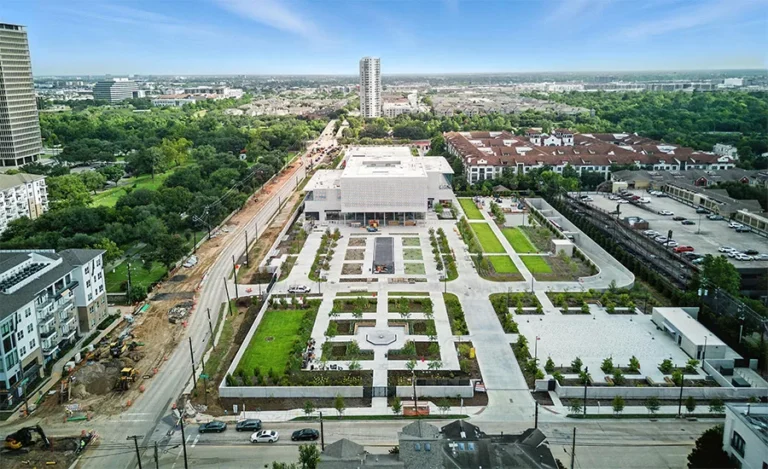
Generation Park offers more than vacant land — it provides:
-
Access to major highways, ports, and rail, enabling efficient transport of materials and product
-
An existing ecosystem tailored toward industrial and life science use, with infrastructure for utilities, power, water, and wastewater
-
Proximity to skilled labor pools, engineering talent, and technical institutions in greater Houston
-
A setting where expansion is feasible and land constraints are minimal
Eli Lilly’s decision underscores that such site advantages are becoming make-or-break in high-capital biotech investment.
What the Facility Will Produce
-
The plant will focus on active pharmaceutical ingredients (APIs) needed for Lilly’s next generation of medicines, including their weight-management drug, orforglipron
-
It will also support production for Lilly’s pipeline in oncology, autoimmune, and other therapy areas
-
Scale, robustness, and modularity are being emphasized — this isn’t a one-off factory but a long-term, expandable asset
Economic Ripple Effects
-
Job Creation: Lilly expects direct employment in the facility and thousands of associated construction jobs during the build phase
-
Supply Chain Anchoring: Local chemical and reagent suppliers, logistics firms, engineering consultants, and manufacturing subcontractors stand to benefit
-
Regional Prestige: Houston, already known for energy, medical, and space sectors, will now add advanced pharma manufacturing to its economic brand
-
Catalyst for Biotech Growth: The plant may anchor further life science clustering — labs, startups, test facilities may want to locate near Lilly
Challenges Ahead
-
Scale & Complexity: Building a facility of this magnitude involves intense engineering, regulatory compliance, and precision in systems (clean rooms, contamination control, utility redundancy)
-
Talent & Workforce: While Houston has technical talent, consistent specialization in API manufacturing and life science operations is rare. Workforce training and retention will be key
-
Regulatory & Quality: Pharmaceutical standards are unforgiving. Any misstep in validation, quality systems, or compliance could have major consequences
-
Capital & Execution Risk: Cost overruns, delays, supply constraints, or technical design pivots could push timelines and budgets
What to Watch Next
-
Which technologies (continuous manufacturing, flow chemistry, automation) Lilly will embed in the facility
-
How quickly construction begins, the timeline for initial output, and staged capacity scaling
-
Partnerships with universities, training programs, or trade schools to build the required workforce
-
Ancillary development: whether startups, labs, or vendors cluster around the facility in follow-up growth
—
Eli Lilly’s $6.5B investment in Generation Park is more than a factory—it’s a statement: Houston wants to be central to the rebirth of U.S. pharmaceutical manufacturing. If executed well, this project could reshape the region’s economy, attract new biotech growth, and anchor Houston’s place in the next wave of life-science infrastructure.