

The Environmental Protection Agency has issued a firm directive: complete the long-stalled cleanup of the San Jacinto River Waste Pits. It’s a move aimed at finally removing over 230,000 tons of toxic dioxin-laden waste — much of it currently submerged — that has posed health risks to nearby communities for decades.
What’s Going On at San Jacinto
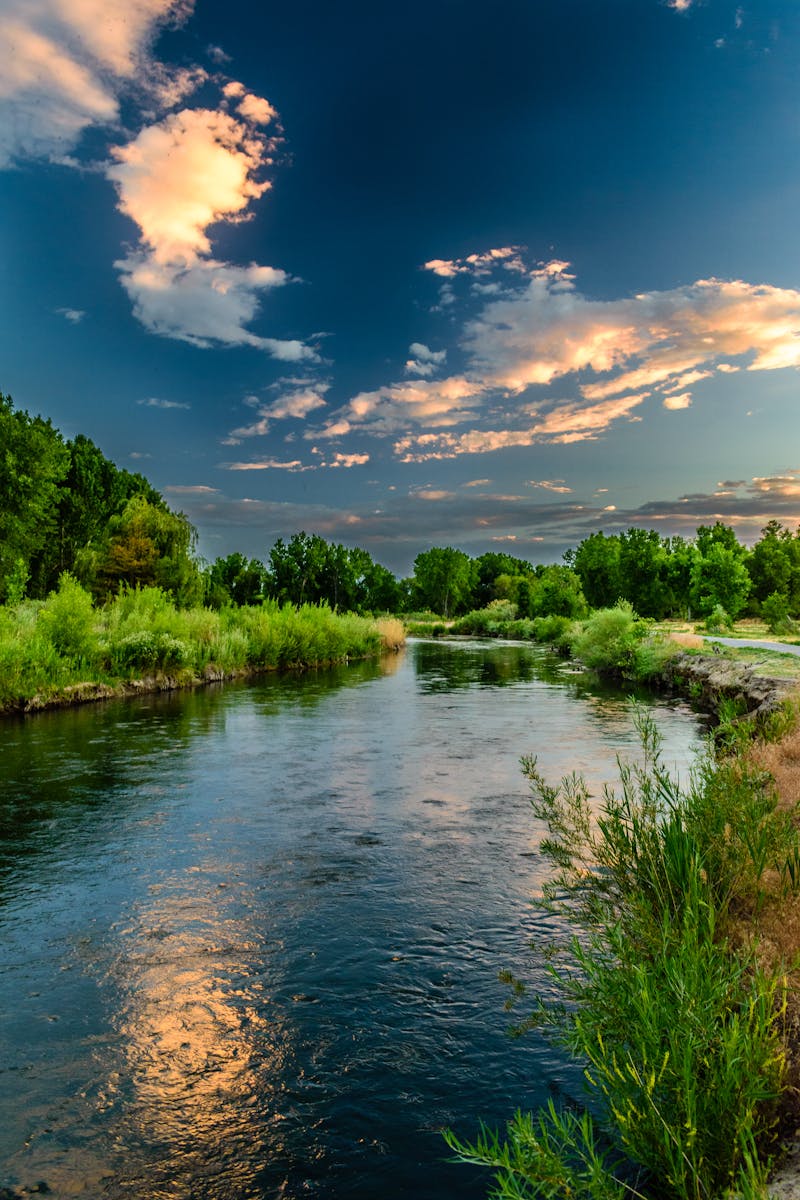
The San Jacinto River Waste Pits Superfund Site has two major impoundments built in the mid-1960s for dumping solid and liquid waste from paper mill operations. The pits sit along the western bank of the San Jacinto River, north of the I-10 bridge.
-
Northern impoundment: About 14 acres, partially submerged in the river.
-
Southern impoundment: Less than 20 acres, on a peninsula just south of I-10.
While the southern section has seen cleanup of some material, the bulk of remaining toxic waste is under water in the northern impoundment, causing persistent concern among residents, environmental groups, and health officials.
What the EPA Demands
-
The agency is ordering responsible companies to finish the removal of all remaining waste, including the submerged portion.
-
About 60% of the waste is underwater. Removing it will require building a coffer dam (a temporary barrier to hold back water), draining the submerged area, then excavating the contaminated material.
-
Removal of the southern impoundment has already been completed.
Health, Environment & Community Risks
The buried waste includes toxic dioxins, contaminants known to cause serious issues:
-
Cancer risk, hormonal disruptions, liver problems, immune system effects.
-
Exposure happens via ingestion of contaminated water, fish, or contact with sediment — especially during floods or erosion.
-
Recent studies have flagged elevated cancer rates in nearby counties, adding urgency to the cleanup.
Residents and activists have long warned of the “ticking, toxic time bomb” that the submerged waste pits represent — especially given recurring severe weather, floods, and the close proximity of the site to homes and natural waterways.
How Long It’ll Take & What’s Involved
-
Experts estimate the full cleanup will take at least five years once work begins in earnest.
-
A key technical piece is constructing the protection structure (coffer dam) so the submerged waste can be accessed and removed safely.
-
The logistics are complex: removing contaminated material, transporting it safely to the right disposal sites, restoring the affected riverbed and surroundings.
Why This Move Matters
-
The EPA calling for full removal is a departure from past proposals that argued for merely capping or partial containment of underwater waste.
-
It gives neighbors some hope after years of delays, negotiations, and legal back-and-forth.
This cleanup isn’t just about removing waste — it’s about restoring trust, preventing future health impacts, and ensuring the river, and the broader ecosystem, is not left to absorb contamination.
What’s Next
-
Immediate technical designs and engineering plans must be finalized.
-
Permitting for construction of the barrier and dewatering structures will follow.
-
Community oversight, monitoring, and sampling both during and after cleanup will be essential to ensure work is done thoroughly.
-
Funding and enforcement will be under watch — the responsible parties have been under pressure to meet deadlines and validate their cleanup designs.
Conclusion
After years of delays and debate, the EPA’s order marks a turning point for the San Jacinto River Waste Pits. With toxic waste finally slated for removal, not just containment, nearby communities may be closer to relief. But success will depend on rigorous engineering, transparent oversight, and true commitment from all involved.
Clean rivers aren’t just environmental assets; they’re essential to public health, local heritage, and future generations. Completing this cleanup isn’t optional — it’s urgent.