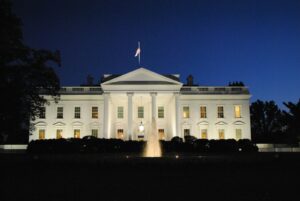



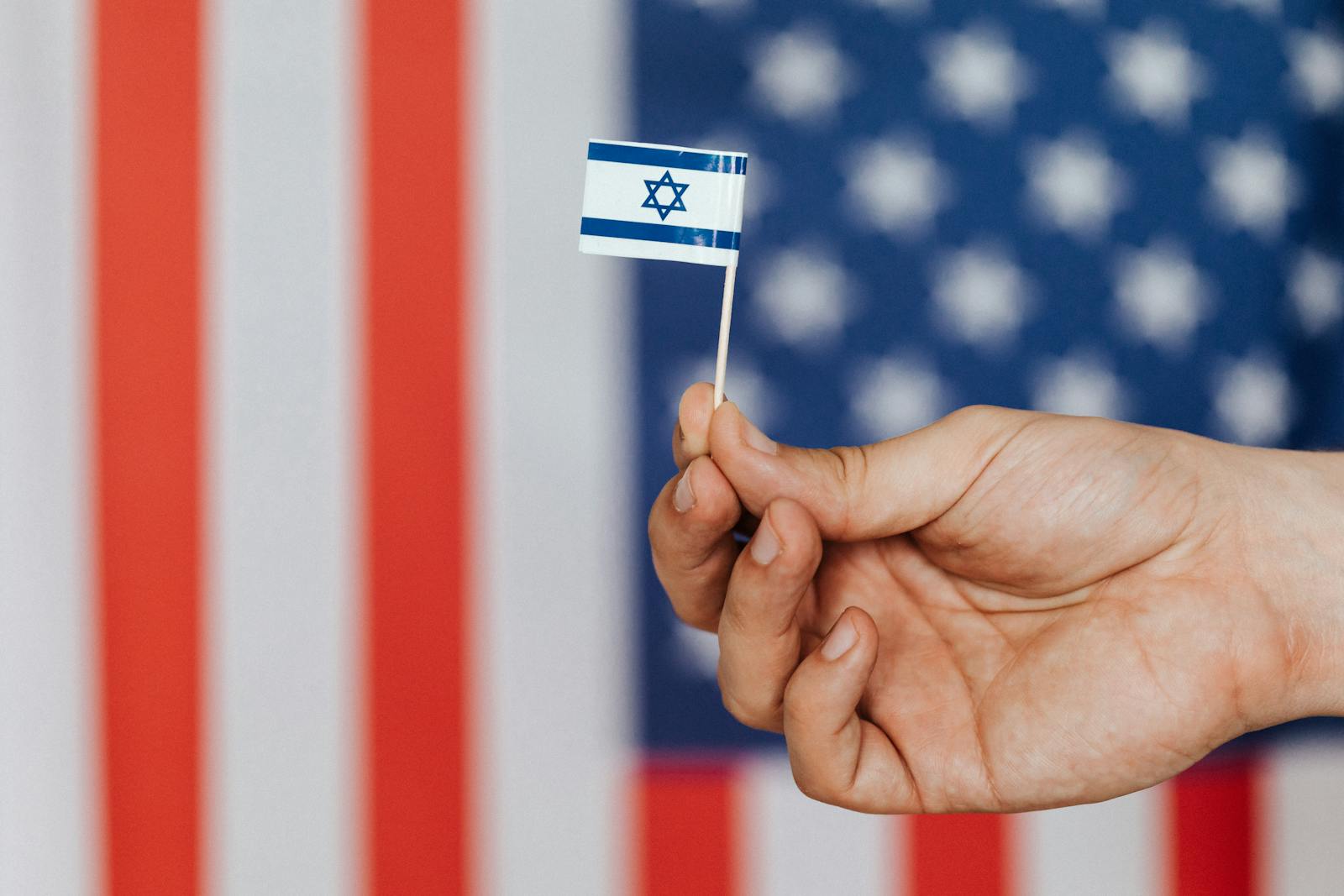
A former U.S. Ambassador to the United Nations weighed in on the high-stakes White House meeting between President Donald Trump and Israeli Prime Minister Benjamin Netanyahu — dissecting motivations, risks, and the delicate balance between showmanship and substance. The ambassador framed the summit as a between former President Donald Trump and Israeli Prime Minister Benjamin Netanyahu, offering a nuanced analysis of its implications for U.S.–Israel relations, Middle East stability, and domestic American politics.
This meeting, the first high-profile sit-down between the two leaders since Trump’s return to Washington influence circles, has sparked heated conversation among analysts, diplomats, and political strategists. The former ambassador’s remarks shed light on what was said behind closed doors, why this meeting matters now, and what it could mean for the future.
A Meeting That Signals Renewed Engagement
Context and Timing
Trump’s meeting with Netanyahu took place during a moment of heightened regional tension. Recent developments in Gaza, ongoing Iranian posturing, and shifts in Gulf state diplomacy have kept Israel firmly in global headlines. Trump has maintained that his prior term was marked by some of the most significant breakthroughs in Middle East diplomacy — including the Abraham Accords — and he is eager to be seen once again as a power broker.
The former ambassador underscored that timing is critical: Netanyahu faces domestic political challenges at home while managing security threats, and Trump is considering another White House run. A joint appearance projects strength and alignment for both men.
Key Takeaways from the Former Ambassador
Focus on Security Guarantees
The ambassador explained that much of the discussion centered on Israel’s security concerns. Netanyahu reportedly sought reassurance that Washington will continue supporting military aid packages and provide diplomatic cover in international forums. Trump, eager to reclaim his image as a staunch ally of Israel, affirmed his willingness to “go further” than past administrations on joint defense cooperation.
Revisiting the Abraham Accords
Another major topic was the expansion of the Abraham Accords — the normalization agreements that brought Israel into formal relations with several Arab nations. The former ambassador suggested that both leaders discussed ways to expand participation, possibly eyeing Saudi Arabia and other Gulf states for future deals.
Iran’s Nuclear Program
The ambassador indicated that Iran’s nuclear ambitions were a significant part of the conversation. Trump and Netanyahu have long aligned on a “maximum pressure” approach, and this meeting reaffirmed a shared view that Iran cannot be allowed to develop nuclear weapons capability.
The Domestic Political Dimension
Trump’s Calculations
For Trump, the meeting helps solidify his credentials as a foreign policy deal-maker. By emphasizing past achievements and previewing future plans, he energizes a base that views support for Israel as a litmus test of strength on the world stage.
Netanyahu’s Needs
Netanyahu, meanwhile, is eager to show Israeli voters that he has the ear of influential American power players. A successful meeting with Trump bolsters his claim to being Israel’s indispensable statesman at a time when his coalition government is under strain.
International Ramifications
This summit is about more than optics — it signals to allies and adversaries that U.S.–Israel alignment is alive and well. The ambassador warned, however, that such meetings can complicate U.S. diplomatic neutrality if they are seen as overtly partisan. Other Middle East actors may recalibrate their approaches based on the signals sent from Washington.
Risks and Criticisms
Critics argue that Trump’s meeting with Netanyahu could undermine ongoing diplomatic efforts by the sitting administration, potentially sending mixed messages to global partners. The former ambassador acknowledged these concerns but suggested that parallel diplomacy — even by figures outside government — can sometimes drive outcomes by creating pressure on official negotiators.
Looking Ahead
The ambassador concluded that the Trump-Netanyahu rapport remains one of the most consequential political relationships shaping the Middle East. Whether or not Trump returns to office, his influence on the debate over U.S. foreign policy will continue. Future meetings or joint statements could set the tone for election-year discussions on America’s role in the world.