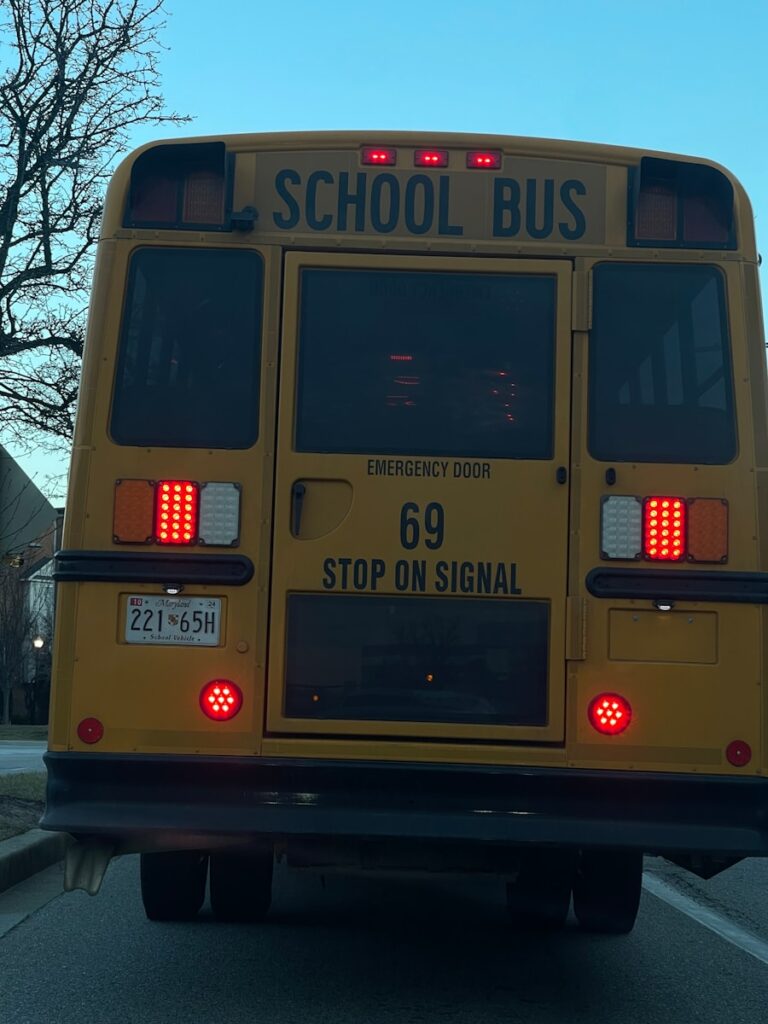


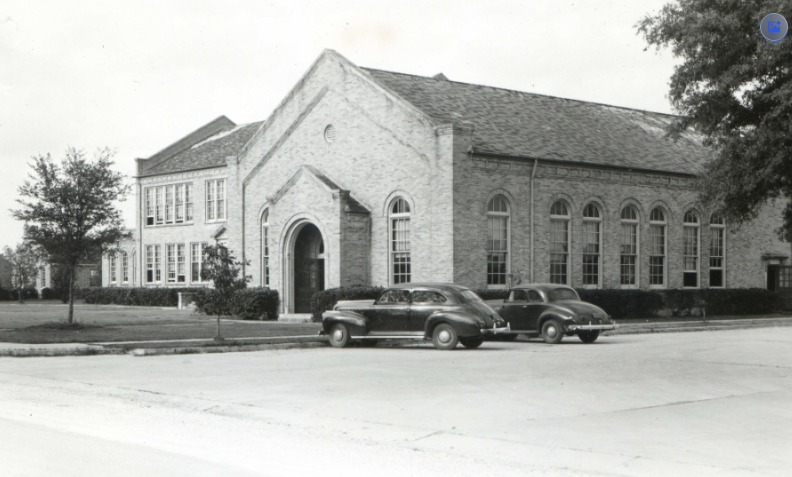
When Alvin Independent School District marks its 100th anniversary this year, the milestone is more than a celebration—it’s a reflection on how a small rural district transformed into a dynamic force in Texan public education. From one schoolhouse to dozens, Alvin ISD’s journey mirrors the region’s evolution in population, economy, and community identity.
Here’s a deep dive into the history, challenges, and future of Alvin ISD — and how the centennial shapes not just a school district, but a community.
Early Roots: 1925 and the Founding
In 1925, a group of neighbors in Alvin and surrounding rural areas pooled resources to form a unified school district. Education then was constrained by limited infrastructure: wooden classrooms, single teachers handling multiple grades, and students walking or riding horses to get there.
Over the decades, as oil booms, suburban development, and Houston’s metropolitan spillover reshaped the Gulf Coast region, Alvin ISD steadily expanded. Schools multiplied, curriculum broadened, and district boundaries stretched to meet growing demand.
Milestones & Growth Through Generations
1950s–1970s: Infrastructure & Consolidation
-
New school buildings, consolidated attendance zones, and modern buses became regular features.
-
Alvin ISD began professionalizing staff — hiring more certified teachers, administrators, and support personnel.
1980s–2000s: Suburban Boom & Vertical Expansion
-
As Greater Houston’s sprawl extended southward, Alvin’s growth surged. New subdivisions brought young families, prompting new elementary, middle, and high schools.
-
Technology appeared in classrooms—computers, labs, and early distance learning systems.
2010s–2020s: Innovation & Community Branding
-
Creative programs emerged: STEM academies, dual credit options, career & technical education pathways, and fine arts expansions.
-
Alvin ISD deepened partnerships with local colleges, business, and municipal governments to align education with workforce and community needs.
The Centennial Year: Themes, Events & Legacy
To commemorate 100 years, Alvin ISD is staging a series of events and initiatives:
-
Centennial Gala & Ceremonies: Alumni, educators, and community leaders are gathering to celebrate in formal ceremonies.
-
Time Capsule Projects: Students are contributing items and reflections for future unveiling.
-
Historical Exhibits: Displays of vintage yearbooks, photos, and artifacts travel across campuses so younger students connect with legacy.
-
Community Outreach & Legacy Projects: Tree plantings, scholarship funds, public murals, and honoring former district leaders.
These efforts aim to bind past, present, and future, helping students feel part of a broader story.
Challenges That Rise With Growth
Even as Alvin ISD celebrates, it faces pressures common to growing districts:
-
Managing Capacity: Sustaining adequate building space, class sizes, and infrastructure for increasing enrollment
-
Funding & Resources: Balancing budgets amid rising costs, teacher pay demands, capital project needs, and bond debt
-
Equity & Access: Ensuring that all students — regardless of neighborhood — receive high quality facilities, technology, and educational opportunities
-
Talent & Retention: Attracting and retaining high-performing teachers and staff in a competitive region
-
Adapting Curriculum: Aligning coursework with evolving job markets, technology shifts, and higher education demands
What the Future Holds
Looking ahead, Alvin ISD is planning for tomorrow:
-
Smart Facilities & Green Design: New schools and renovations are likely to incorporate sustainable architecture, flexible learning spaces, and adaptable technology infrastructure
-
Expanded Dual-Credit & Career Programs: By partnering with community colleges and local businesses, students can graduate with marketable certifications or college credits
-
Graduated Technology & Digital Learning: Hybrid models, remote tools, experiential learning, and virtual labs may become standard
-
Community Integration: Schools functioning as centers for civic engagement — offering adult education, public events, and community services
-
Historical Continuity: As the district enters its second century, preserving institutional memory, celebrating legacy, and adapting traditions will matter
Local & Regional Significance
Alvin ISD’s growth story is a microcosm of Houston’s southern corridor transformation. As suburbs push further into once-rural counties, education systems like Alvin must adapt rapidly. The district’s centennial becomes not just a local milestone — a symbol of regional evolution in demographics, economy, and identity.
For communities in Pearland, Manvel, Friendswood, and beyond, Alvin ISD’s decisions will affect where families move, how property values shift, and how public infrastructure (roads, utilities, services) aligns with population growth.
FAQs (for SEO & Reader Engagement)
Q: When was Alvin ISD founded?
A: The district was officially formed in 1925, incorporating local schoolhouses and rural attendance areas.
Q: How many schools are in Alvin ISD today?
A: Alvin ISD now includes numerous elementary, intermediate, middle, and high schools — serving tens of thousands of students across a wide district area.
Q: What special centennial programs are underway?
A: Time capsule projects, historical exhibits, alumni events, community legacy initiatives, and district-wide celebrations mark the year.
Q: How is Alvin ISD adapting to future trends?
A: Through expanded dual credit programs, technology integration, sustainable design, and deeper community partnerships.
Q: What challenges does the district face?
A: Capacity constraints, funding pressures, talent recruitment, and ensuring equitable access across growing neighborhoods.
Conclusion & Call to Action
Reaching 100 years is a testament to Alvin ISD’s ability to adapt, grow, and serve changing communities. But a centennial isn’t just a moment to look back — it’s a challenge to look forward.
As Alvin ISD strides into its second century, students, parents, educators, and community leaders must join hands, preserving the legacy while embracing innovation. Support the celebrations, attend events, participate in legacy projects — and stay invested in the quality of local education.
If you like, I can refine this further — add local quotes, enrollment statistics, campus maps, and make it fully ready for publishing.