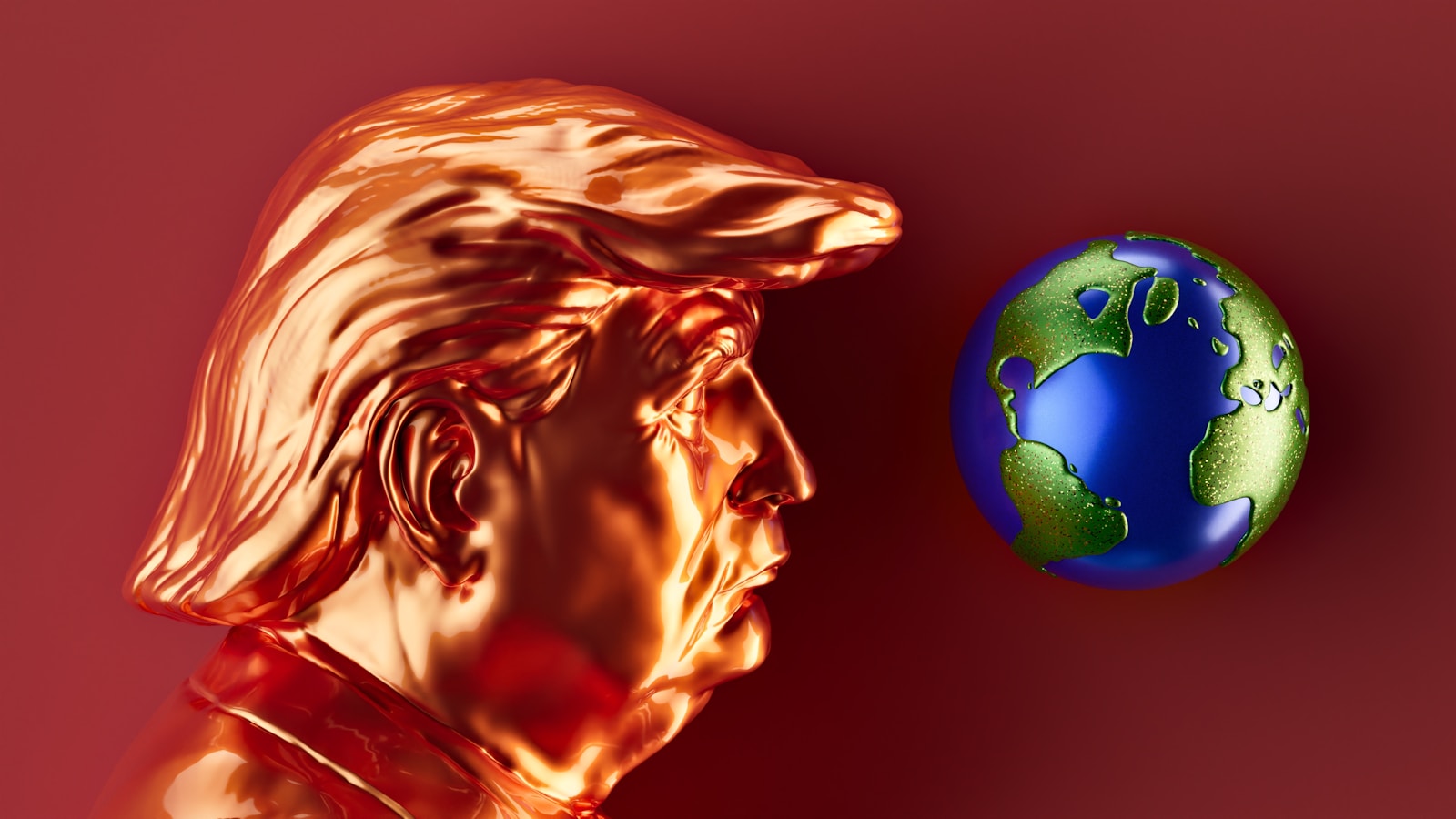
The DeLauro statement on Trump tariffs landed like a thunderclap in Washington this week. As the Supreme Court opened hearings on the legality of the former president’s sweeping tariffs, Representative Rosa DeLauro issued a blistering warning that the case threatens to “permanently tilt economic power away from Congress.”
Her message is simple yet charged: if the Court upholds the Trump-era use of emergency tariff authority, future presidents could wield trade duties as personal political weapons—unchecked by Congress and potentially damaging to American workers.
Inside the DeLauro Statement on Trump Tariffs
DeLauro’s statement centered on a constitutional argument as much as an economic one. She invoked the International Emergency Economic Powers Act (IEEPA), a Cold-War-era statute that Trump relied on to impose tariffs on allies and adversaries alike.
In the DeLauro statement on Trump tariffs, she declared:
“The founders gave Congress—not the executive—the power to tax and regulate commerce. If we surrender that now, we may never get it back.”
She accused recent administrations of normalizing “executive trade rule-making” and warned that the Court’s decision could redefine the balance of power in U.S. trade law for a generation.
Why DeLauro’s Statement on Trump Tariffs Matters
The stakes of the Supreme Court hearing are enormous. A ruling in favor of the administration could cement near-total executive discretion in setting tariffs—sidestepping congressional debate and oversight. A ruling against could unravel hundreds of billions in duties and reshape global trade relations.
For DeLauro, the issue transcends economics: “Unchecked authority is not leadership—it’s drift,” she said. Her statement reflects growing bipartisan unease that Congress has ceded too much ground on trade, foreign policy, and budget control.
Houston’s Lens: Trade, Energy, and Tariffs
While the DeLauro statement on Trump tariffs echoes across Washington, the implications hit home in trade-heavy regions like Houston. With its sprawling port, refinery complexes, and manufacturing base, Houston is one of America’s most tariff-sensitive cities.
-
Port of Houston trade: Sudden tariff hikes can disrupt container flow and shipping contracts worth billions.
-
Energy exports: Tariffs on steel, aluminum, or machinery ripple through Houston’s oil and gas infrastructure.
-
Manufacturing costs: Tariffs inflate the price of imported materials, cutting margins for local producers.
For Texas industries, DeLauro’s warning isn’t abstract—it’s about economic predictability. A system that lets the White House unilaterally change tariff rates overnight can upend entire supply chains.
DeLauro’s Broader Message: Restoring Congressional Control
In closing, the DeLauro statement on Trump tariffs called for Congress to legislate tighter “guardrails” around executive trade powers. She urged a bipartisan coalition to reaffirm that tariff authority belongs to the legislative branch—a principle embedded in Article I of the Constitution.
Trade lawyers note that if Congress reclaims its oversight role, future administrations will face clearer rules and limits. But politically, that’s a tall order: no president has ever willingly given back powers once granted.