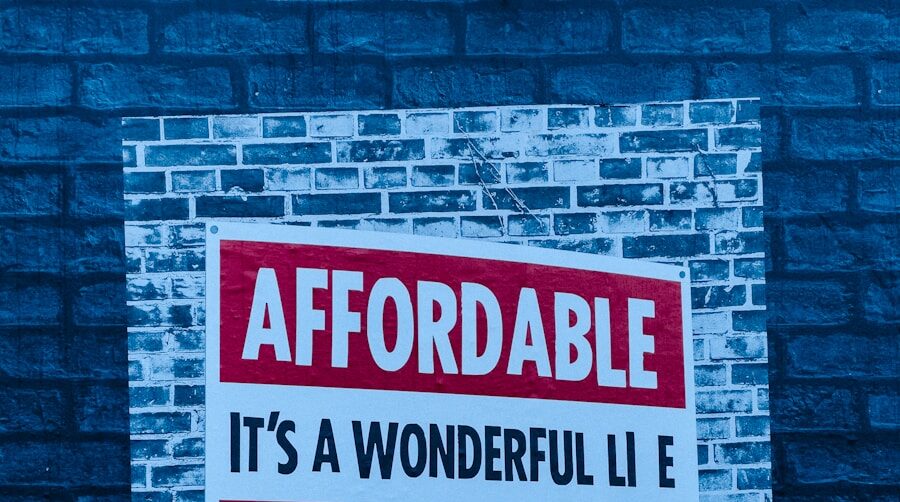
The phrase Trump new word affordability may sound like a quirk of campaign rhetoric, but it’s now the cornerstone of the president’s message heading into the next election cycle. With households nationwide tightening belts, Trump’s speeches have shifted from jobs and tariffs to one blunt theme—affordability.
He insists that the next administration’s success will be measured not by GDP charts but by whether “the American family can afford to live the American life.” It’s a powerful simplification of a complicated problem—and one that hits voters squarely in their wallets.
Why “Trump New Word Affordability” Resonates
Across swing states and major metros, affordability has replaced employment as the top economic concern. Gas, rent, groceries, and childcare costs have outpaced income growth. Trump’s pivot signals a campaign recalibration toward emotional economics—how people feel about their finances.
Strategists say the use of the phrase Trump new word affordability serves three purposes:
-
Acknowledgment – Admits that price pressure, not unemployment, drives voter anxiety.
-
Ownership – Positions Trump as the candidate “talking about what matters most.”
-
Contrast – Frames rivals as disconnected technocrats focused on metrics, not monthly bills.
The phrase works because it’s personal. Every voter understands it instantly, no economic translation required.
From Washington to Houston: The Economic Undercurrent
The theme of Trump new word affordability reverberates particularly in Houston and across Texas. Energy, housing, and supply-chain volatility have made affordability a household word there long before it became a campaign slogan.
-
Energy Costs: As global fuel markets fluctuate, Houston families face rising utility bills—an issue both political and personal.
-
Housing Squeeze: Suburban property prices have climbed more than 20 % in five years, driving “affordability” from economic theory to dinner-table debate.
-
Wages vs. Inflation: Texas job creation remains strong, but paychecks stretch thinner each quarter, echoing the national affordability crisis.
If Trump can connect those dots convincingly, Texas—though red—could set the tone for how Republicans talk economics nationwide.
Affordability as a Political Litmus Test
Political analysts note that “affordability” could become the next great bipartisan buzzword. Democrats emphasize affordability through subsidies and wage policy; Republicans, through deregulation and tax relief. For voters, however, ideology matters less than outcome. Whoever restores purchasing power wins the narrative war.
By anchoring the debate in Trump new word affordability, the campaign seizes emotional territory that transcends partisanship. It’s simple, relatable, and potent—everything political branding experts crave.
What to Watch Next
-
Will new policy proposals accompany the rhetoric—such as mortgage or healthcare affordability plans?
-
How will opponents redefine “affordability” to reclaim voter trust?
-
Can the focus survive the campaign’s shift to foreign policy or immigration themes?
-
In Texas, will local leaders echo the affordability narrative to align with national messaging?