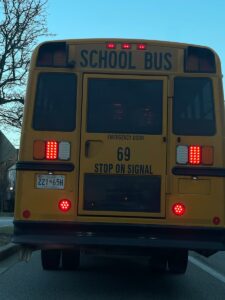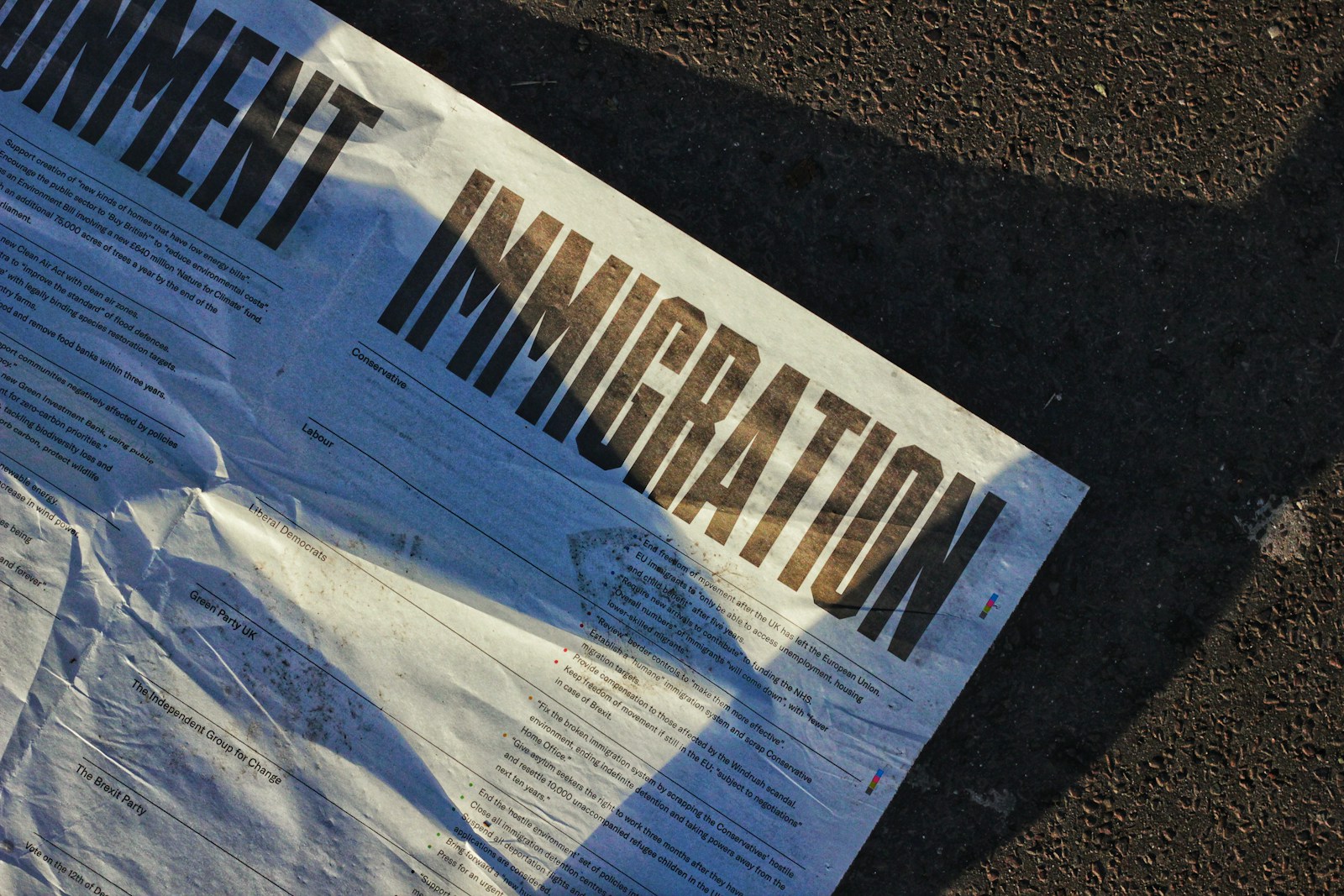
The Chicago immigration crackdown took an unexpected and deeply unsettling turn when federal immigration agents raided two of the city’s most sensitive community institutions — a daycare and a senior living center. The simultaneous operations, conducted during morning hours, mark one of the most visible escalations of U.S. immigration enforcement in recent memory.
For residents, parents, and local leaders, the sight of federal agents detaining childcare workers and questioning elderly residents has become a flashpoint in the broader national debate about how far immigration policy should extend into everyday community life.
Raids Hit “Safe Spaces” and Fracture Public Trust
Eyewitnesses say the first operation began just after dawn at a Spanish-immersion daycare where a longtime employee was taken into custody as children arrived for the day. Hours later, another team conducted checks at a senior living facility in a nearby suburb. The decision to target these “safe spaces” — typically exempt from aggressive enforcement — has drawn widespread condemnation.
Parents described panic as children screamed and clung to caregivers. Senior residents, many of them naturalized citizens, reported feeling humiliated as agents questioned building staff and residents in public hallways.
City officials have demanded explanations from federal authorities, saying the actions “crossed a line” between law enforcement and community harassment.
Political and Human Impact of the Chicago Immigration Crackdown
Beyond the immediate arrests, the raids have reignited old divisions between federal and local governments. Chicago has long maintained a “welcoming city” stance — policies that limit cooperation between local police and federal immigration authorities. Federal officials, however, argue that local non-cooperation has forced them to conduct more visible, high-stakes operations.
The impact extends far beyond the city limits. Advocates warn that such tactics erode trust not only among undocumented residents but within entire neighborhoods, creating fear even among legal residents and citizens of immigrant background.
Social workers and legal advocates report that families are already withdrawing children from daycare programs, skipping medical appointments, and avoiding public offices out of fear of identification or surveillance.
Drawing Parallels: What Chicago’s Crackdown Means for Houston
The situation unfolding in Chicago resonates deeply in Houston, one of America’s most diverse metropolitan areas and a major hub for Central and South American immigrants. Like Chicago, Houston has cultivated a delicate balance between federal compliance and community protection.
Yet, both cities face the same tension — how to enforce immigration laws without undermining the social infrastructure that keeps communities functioning. Houston’s own recent enforcement surges in commercial zones and housing complexes have stirred similar anxiety, particularly among mixed-status families who rely on early childhood programs and senior services.
Experts warn that what happened in Chicago could be a preview of future scenarios across the Sun Belt. Texas, in particular, has taken a more aggressive stance toward immigration enforcement at the state level — through policies allowing local law enforcement to detain suspected undocumented individuals. While Chicago’s raids were federal, Houston faces a more complex patchwork of state and local directives, meaning a single enforcement campaign can quickly snowball into social unrest.
A Broader National Pattern Emerging
The Chicago immigration crackdown may be part of a broader national trend — one that shifts immigration enforcement from borders and detention centers into neighborhoods, schools, and workplaces. Analysts note that the move reflects frustration with congressional inaction and aims to showcase federal resolve ahead of the next election cycle.
At the same time, critics argue that such visibility is counterproductive: it instills fear, divides communities, and disrupts essential local services that have little to do with national security.
The raids also reignite legal questions about whether “sensitive locations” — such as schools, hospitals, and religious institutions — still enjoy protection under evolving federal guidelines. These protections were long understood as essential to maintaining trust between immigrant communities and public agencies.
Lessons from Houston: A Need for Balance
Community leaders in Houston are watching Chicago closely. Many are calling for proactive dialogue between immigration agencies and city governments to prevent similar confrontations. They argue that cooperation should prioritize safety, transparency, and accountability — ensuring that enforcement does not spill into places that serve children, seniors, or vulnerable populations.
As one Houston-based community organizer put it, “What’s happening in Chicago is not an isolated event — it’s a warning. If we don’t define limits and safeguards now, every daycare and nursing home in America could become a checkpoint.”
What Comes Next
-
Policy review: Legal experts expect the Department of Homeland Security to face pressure to clarify which facilities are protected from enforcement.
-
Community pushback: Civil rights organizations in both Chicago and Houston are mobilizing legal support networks for affected families.
-
Political reverberations: The raids are likely to shape immigration debates leading into the next election, influencing both federal and state-level policies.
-
Social recovery: The long-term challenge will be restoring trust in public spaces where fear now lingers.