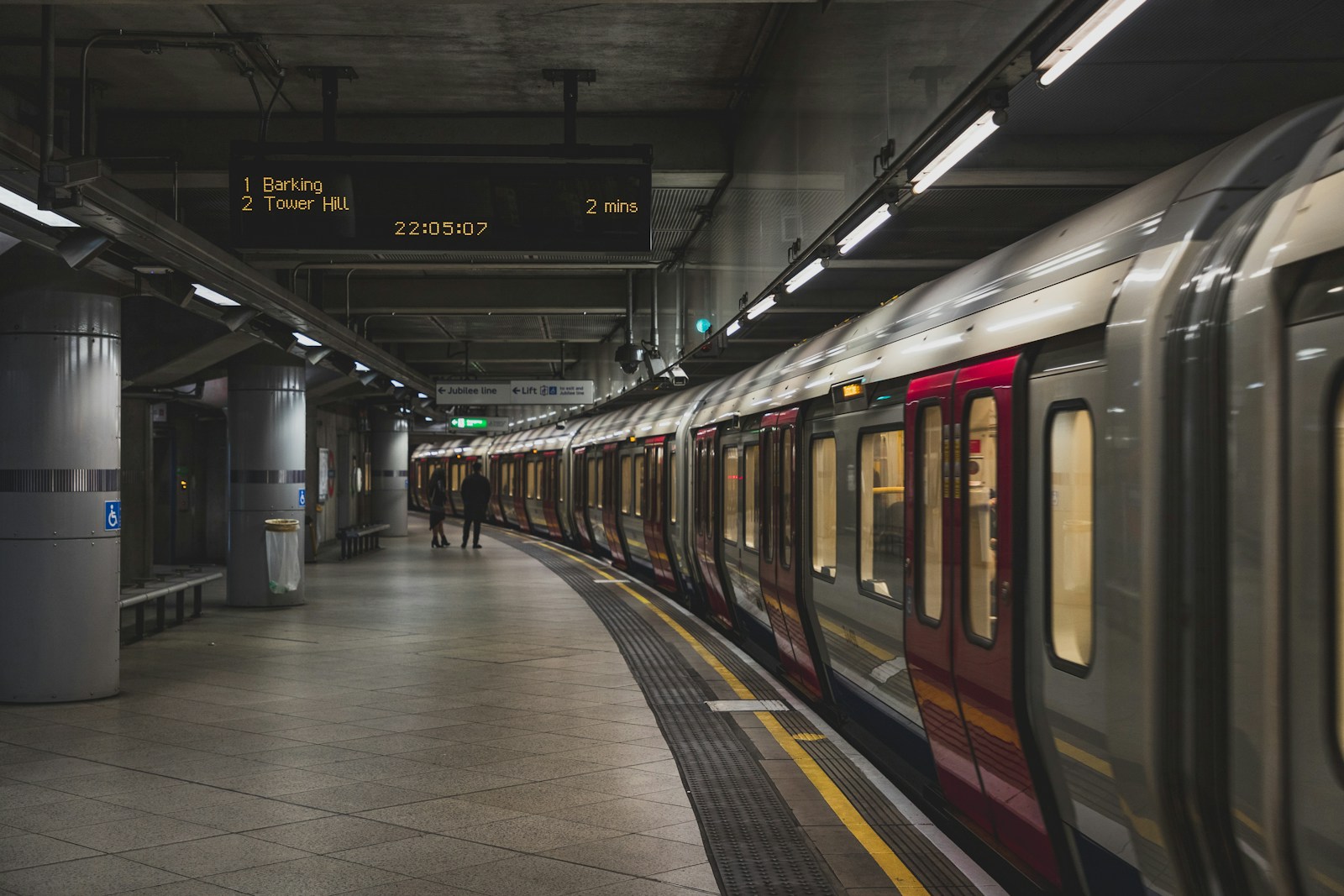
HOUSTON — November 5, 2025 — Houston’s public-transit landscape is entering its next phase of expansion as the Metropolitan Transit Authority of Harris County (METRO) moves forward with a $420 million Bus Rapid-Transit (BRT) project designed to connect Uptown, downtown, and Hobby Airport. Officials say the project marks a major step toward reducing travel times across the city’s southern and western corridors while strengthening the city’s long-term mobility network.
Project Overview
The new BRT lines will stretch more than 25 miles, operating in dedicated lanes separated from general traffic. Stations will include raised platforms, digital timetables and climate-controlled shelters. The route will link the Uptown/Galleria area to Hobby Airport through downtown and the University of Houston corridor, allowing for faster and more reliable travel between two of the city’s busiest districts.
METRO Chair San Jacinto Green described the project as “a generational mobility investment” aimed at giving Houstonians alternatives to the car-dependent commute that defines much of the region.
What Makes It Different
Unlike traditional bus routes, the BRT network uses rail-style infrastructure at a fraction of the cost of light rail. Vehicles run on dedicated lanes with priority at traffic signals, cutting travel times by an estimated 35 percent. Fares will remain compatible with the existing Q Card system to ensure seamless transfers between buses, light-rail, and park-and-ride services.
Houston’s model follows the success of the Silver Line BRT, which opened in Uptown in 2020 and quickly exceeded ridership projections.
Community and Economic Impacts
City planners say the expansion will stimulate new economic corridors, particularly along the University of Houston and Hobby Airport zones, where transit-oriented development is already taking shape.
Business groups predict the project will generate thousands of construction jobs and attract retail and housing investment around future stations. “Mobility equals opportunity,” said Tanya Hernandez, CEO of the Greater Houston Partnership. “When you link major employment centers to residential neighborhoods, you’re not just moving people — you’re building access.”
Challenges and Timelines
While METRO has secured federal and local funding for the first phase, some logistical hurdles remain. The project requires right-of-way adjustments along portions of the Old Spanish Trail and Telephone Road corridors, as well as coordination with Houston Public Works for underground utility relocation. Environmental and design reviews are expected to finish by mid-2026, with construction targeted for late that year.
Officials anticipate full operation by 2030, though segments may open sooner depending on funding flow and construction sequencing.
A Step Toward a More Connected City
Houston’s population — now topping 7.5 million in the metro area — continues to push the limits of freeway capacity. The city’s transit planners hope this project demonstrates that efficient, reliable public transport can compete with the convenience of driving, especially for residents commuting between the southwest and southeast sectors.
Final Reflection
For decades, Houston’s identity has been tied to cars and sprawling freeways. The new Uptown-to-Hobby BRT corridor marks a cultural shift toward a multimodal future — one where public transit is not a fallback but a preferred option. With each dedicated lane laid and each station built, the city inches closer to becoming a model for modern, sustainable mobility in the Sun Belt.