HOUSTON — November 4, 2025 — City officials have approved a $20 million flood-control initiative designed to protect neighborhoods in Southeast Houston that have repeatedly suffered from stormwater overflow and street flooding. The project, led by the Houston Public Works Department, is part of the city’s long-term “Resilient Houston” strategy and represents one of the largest single municipal infrastructure investments this year.
Where the Project Will Begin
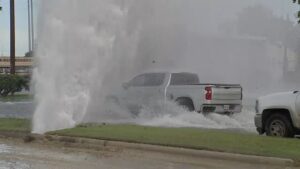
Construction will focus on the South Wayside Drive corridor, extending through the Sunnyside, South Park, and Glenbrook Valley neighborhoods — areas historically vulnerable during tropical downpours. City engineers plan to replace outdated storm drains, deepen roadside ditches, and construct a new underground detention basin capable of holding 50 million gallons of water during peak rainfall.
Pre-construction surveying is already underway, with full ground-breaking expected by early January 2026. Completion is projected for mid-2028, depending on weather conditions and contractor timelines.
Why It Matters
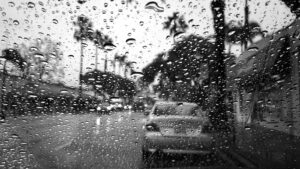
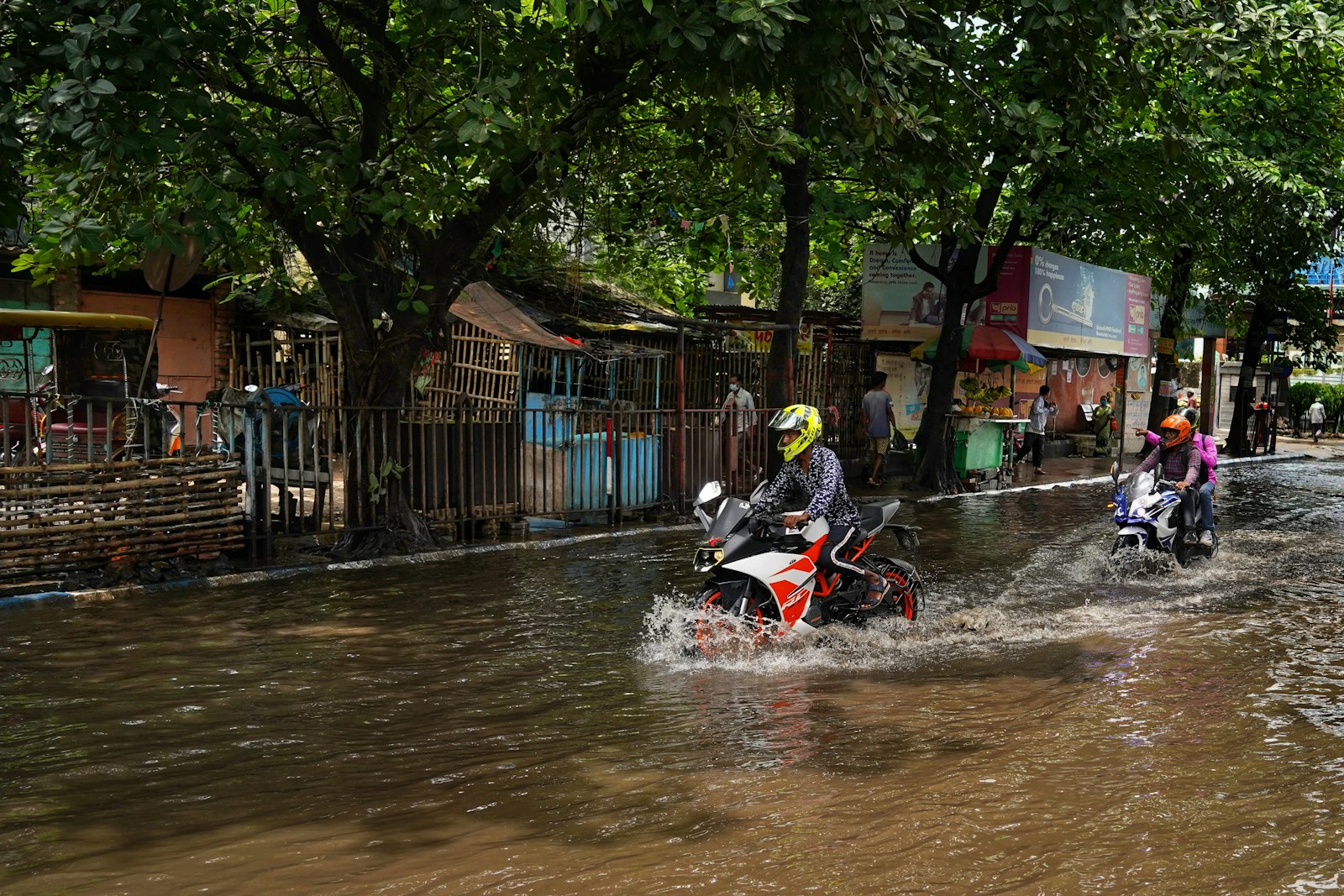
Houston’s southeast side has endured repeated flooding from both hurricanes and intense seasonal storms. During 2017’s Hurricane Harvey and 2019’s Tropical Storm Imelda, these same neighborhoods saw dozens of homes inundated. Many residents still haven’t fully recovered.
“This is long overdue,” said Darius Henderson, who has lived in Glenbrook Valley for 22 years. “We’ve patched up and rebuilt, but every heavy rain still brings anxiety.”
Officials believe the new system will reduce flood frequency by more than 60 percent, based on modeling by city hydrologists.
A Citywide Commitment to Resilience
The project is one of more than a dozen drainage improvements planned across Houston in the next two fiscal years. Combined, they represent nearly $500 million in infrastructure upgrades funded through the Houston Flood Mitigation Bond approved in 2023 and federal grants from the U.S. Department of Housing and Urban Development.
Public Works Director Carolyn White said the department’s focus is on equity and prevention: “We’re prioritizing neighborhoods that have carried the heaviest flood burden. This is not just concrete and pipe — it’s restoring people’s confidence that they can live without fear every time clouds roll in.”
Engineering and Environmental Features
The Southeast Corridor plan integrates green-infrastructure elements, including:
-
Permeable pavement in key intersections to absorb runoff.
-
Native-plant rain gardens for natural filtration.
-
Smart-sensor monitoring systems that track rainfall and drainage performance in real time.
These features align with Houston’s growing shift toward sustainable, data-driven flood management rather than reactive post-disaster recovery.
Community Engagement and Concerns
City leaders have scheduled multiple town-hall meetings through December to inform residents of construction impacts, traffic detours, and property-access changes. Although most homeowners welcome the project, some have voiced concerns about temporary street closures and noise during excavation.
Officials have promised to maintain open communication channels and coordinate with METRO Transit to minimize disruptions to public-bus routes and school zones.
Economic and Workforce Impact
Beyond flood control, the initiative is expected to generate hundreds of local construction jobs and secondary employment in materials, surveying, and maintenance services. The city has pledged to allocate at least 30 percent of contract work to minority- and women-owned businesses.
Looking Ahead
If successful, the Southeast Corridor project will serve as a prototype for similar infrastructure efforts in other high-risk zones, including the White Oak Bayou and Brays Bayou watersheds. Engineers say lessons learned here could shape future designs across the Gulf Coast, where urban flooding remains one of the most pressing climate-resilience challenges.
Final Reflection
For decades, Southeast Houston residents have lived with the memory — and the fear — of water creeping up their driveways. Now, a project years in the making promises a measure of protection and peace of mind. In a city built on bayous and resilience, this investment represents not only concrete progress but also a renewed promise: that Houston can grow stronger, smarter, and safer with every storm it endures.