


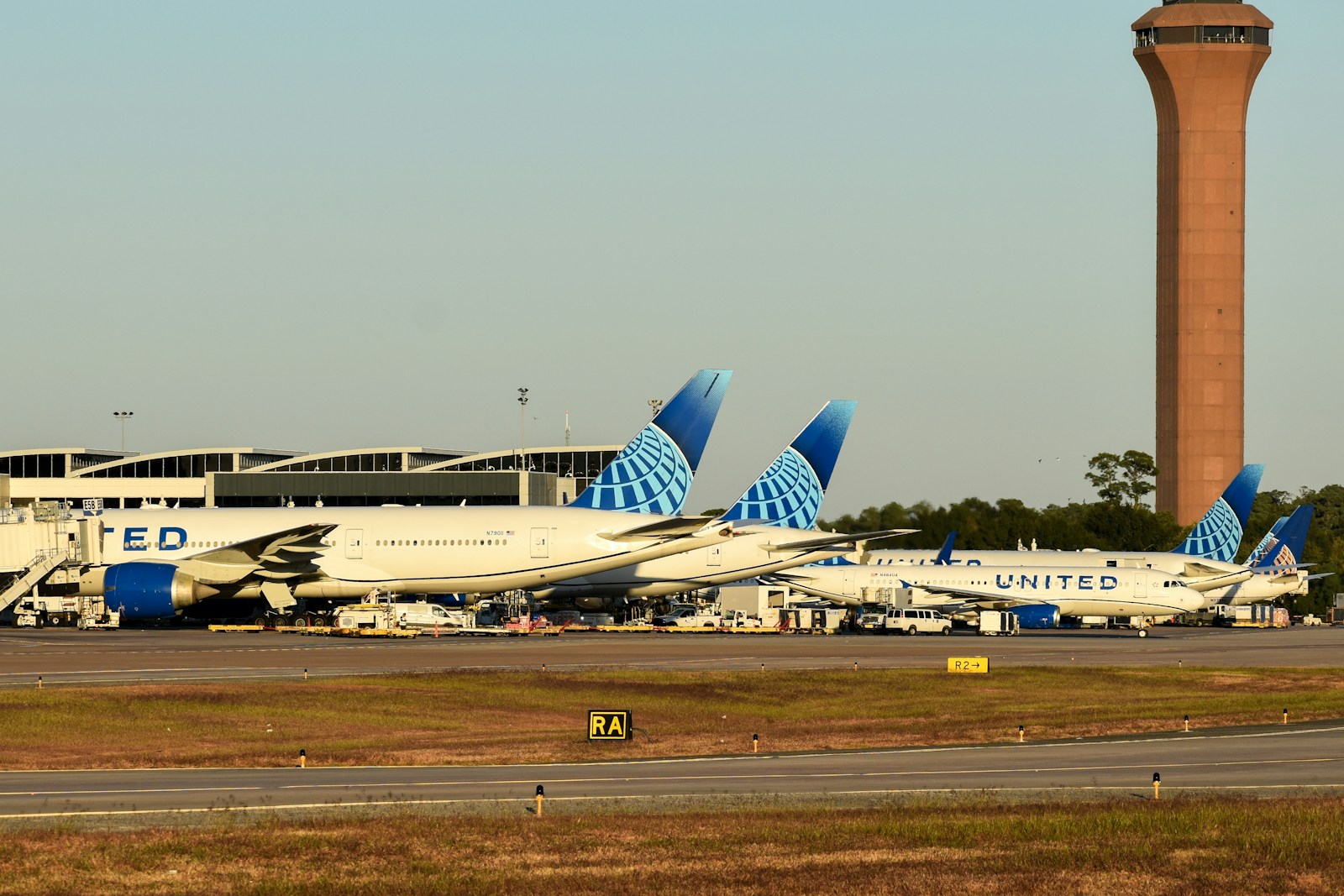
HOUSTON — November 4, 2025 — A combination of severe weather and federal staffing shortages triggered ground stops and flight delays at both George Bush Intercontinental Airport (IAH) and William P. Hobby Airport (HOU) on Monday, underscoring vulnerabilities in Houston’s aviation ecosystem ahead of the busy holiday-travel season.
Weather Meets Workforce Strain
Meteorologists flagged thunderstorms and lightning in the Houston region by early afternoon, prompting the Federal Aviation Administration to impose ground stops that halted departures and slowed arrivals. At the same time, the FAA reported a growing number of air-traffic-controller absences tied to the prolonged government shutdown, adding human-resource strain to an already volatile weather scenario.
The dual disruption forced airlines and airport operators to reroute, delay or cancel dozens of flights. According to operations data, flight-arrival delay rates at IAH reached double the norm within hours, while checkpoint wait-times at both airports climbed into the multi-hour range.
Traveler Impact and Logistics Fallout
Passengers reported long wait times at security lines, erratic gate changes and uncertain rebooking processes. Some travelers arriving in Houston found their outbound connections canceled or postponed by several hours.
Airport food-service vendors and ground-transport providers felt the ripple effect: drop-offs jammed lanes, rideshare surges spiked and luggage-claim areas overflowed. Local tourism and hospitality officials expressed concern that the disruption could dent the city’s reputation as a reliable travel hub during a critical season.
Why Houston?
Houston airports operate as major national hubs and gateways for international cargo and passenger traffic. That role makes the system especially sensitive to disruptions — whether from weather or workforce challenges.
The timing is significant: holiday bookings are yet to peak, meaning the system has little capacity cushion. Airport management acknowledges that both preventive infrastructure (storms) and structural workforce issues (shutdown-related absences) require simultaneous mitigation.
Recovery Efforts Underway
Airport authority teams mobilized contingency protocols, including pre-stage standby crews and real-time passenger-notification systems. Airlines offered travel-waiver flexibility, allowing rebooking without fees for affected customers.
Meanwhile, the city’s emergency-management office convened its aviation-liaison briefing to analyse both weather and staffing indicators late into Monday evening. Stakeholders agreed to monitor the remainder of the week closely, noting that lingering storms could trigger secondary disruptions.
Broader Implications for Houston
-
Infrastructure resilience: Houston’s air-travel sector must contend with severe weather more regularly due to its Gulf-Coast location.
-
Workforce stability: The controller staffing shortfall ties directly into national-policy stalemates, but its local effect is sharply visible here.
-
Economic stakes: Delays ripple through supply chains, tourism bookings, business travel and local service-economy performance.
Final Reflection
The ground stop at Houston’s two major airports may read as an aviation blip, but for the city it signals a deeper challenge: ensuring reliability in an era of converging risks. Storms will continue. Workforce disruptions will recur. The question for Houston is whether its travel system can withstand both at once — or whether even a short disruption reveals deeper fault-lines in an interconnected economy.