November 3, 2025 — Overnight data from city dashboards reveal a noticeable uptick in emergency‑medical‑service (EMS) and traffic‑related calls across Houston, leading officials to probe possible links between suburban travel patterns, event‑weekend activity and resource strain.
What the Data Shows
Between midnight and 4 a.m. in the past 24 hours, Houston’s combined “active incident” tracker logged approximately 18 % more calls than the same timeframe last week. A large portion of the increase came from:
-
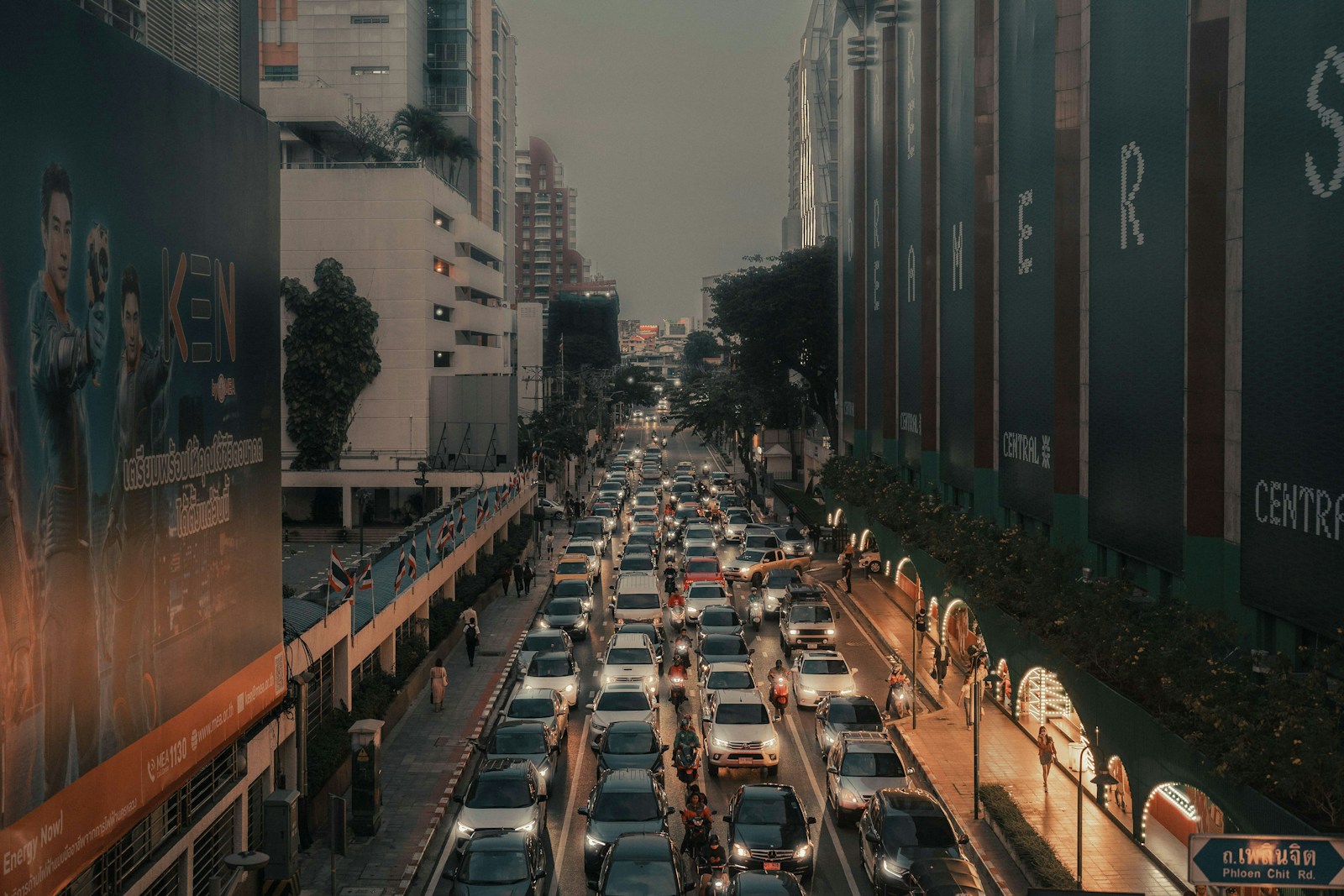
Traffic incidents along Beltway 8, I‑45 and US‑59, many involving disabled vehicles or driving under influence.
-
EMS dispatches for alcohol‑related medical emergencies in entertainment districts such as Midtown and Washington Avenue.
-
Service requests for stranded motorists, particularly in the far west and south suburbs.
Public‑safety officials say the spike aligns with major weekend events, Halloween carry‑over traffic, and the seasonal shift in late‑night patterns.
Operational Stress for First Responders
The surge puts pressure on field crews and dispatch queues during hours typically used for proactive patrols and maintenance. “When resources are diverted for cleanup and crash response, we have less bandwidth for preventive work,” said a senior official in Houston’s Office of Emergency Management.
The city’s dispatch backlog — measured as the average time from call receipt to unit deployment — rose from 3.2 minutes to 4.5 minutes during the early‑morning window.
Underlying Factors
Several contributing trends are emerging:
-
Weekend‐to‐weekend travel: Many residents head into the city for nightlife, then pass out or become stranded post‑event in suburb‑to‑downtown routes late at night.
-
Distracted and fatigued driving: After a late night out, drivers may be impaired or inattentive.
-
Transit coverage gaps: Some late‑night passengers find fewer safe rides back, leading them to walk or rely on riskier alternatives.
-
Entertainment carry‑over: The city’s recent cultural and festival boom means more late‑night crowds, which can increase demand for EMS and traffic support.
City Response
Mayor John Whitmire’s administration has responded by ordering expanded overnight patrols and the temporary deployment of supplemental EMS staffing. The city will evaluate whether to activate “tier‑1 standby” units earlier on weekends.
In addition, the Houston Health Department and Public Works have launched a data‑sharing effort to pinpoint “hot‑zones” of repeat incidents, with the goal of deploying mobile outreach teams and safety messaging near high‑risk corridors.
What Residents Should Know
-
Avoid driving after late‑night events; catch a ride share or use public transit when possible.
-
If you see a stalled car or debris in a roadway, dial 311 or 911 immediately — early reporting helps restore flow.
-
Plan ahead: late‑night to early‑morning travel carries higher risk for impairment‑ and fatigue‑related incidents.
Final Reflection
As Houston’s social calendar expands and traffic patterns evolve, the overnight surge in EMS and traffic incidents underscores a growing challenge: a city whose vibrancy at night must be matched by operational readiness and infrastructure design. For officials, the question no longer revolves around “if” incidents will occur — but “when” and how the system can adapt.