The Houston City Council has approved a $16 million investment to convert a downtown property into a new housing and services hub for people experiencing homelessness — sparking both support and pushback from nearby residents.
A Bold Initiative
Located in East Downtown, the site formerly operated as a migrant shelter and will now be repurposed under Mayor John Whitmire’s plan to expand the city’s homelessness response. The facility is designed to provide between 240 and 320 beds, along with access to mental health services, substance-abuse treatment, and a full-capacity kitchen to feed 250-300 individuals. The funding comes from the city’s existing homelessness budget, as part of a broader initiative that directs approximately $70 million annually toward street-homelessness reduction.
Neighborhood Concerns and the Council Debate
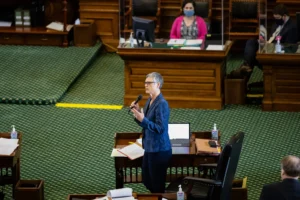
One council member, Edward Pollard, was the lone dissenting vote, citing doubts about the facility’s long-term funding and the decision’s effectiveness relative to the city’s overall unhoused population — over 3,300 individuals. Residents of the surrounding area expressed concerns about safety, potential loitering, and pressure on local infrastructure. In response, city officials pledged increased security measures and enhanced coordination with the police department and outreach teams.
The Bigger Picture
This move comes as Houston continues to grapple with rising street homelessness, post-pandemic service demands, and the challenge of creating effective, scalable solutions. By converting an existing structure rather than constructing a new one, the city aims to accelerate its timeline, with the center expected to open in 2026.
What’s at Stake
-
Capacity vs. need: While the new facility adds meaningful beds and services, it still represents only a fraction of the city’s unsheltered count, raising questions about whether this will significantly shift outcomes.
-
Funding sustainability: The initial investment is covered, but ongoing operational costs will depend heavily on federal grants and philanthropic contributions — areas prone to year-to-year variability.
-
Community integration: Success will depend on how well the center integrates into the neighborhood environment — including traffic, shelter management and safety protocols.
What to Watch Next
-
The hiring and deployment of on-site service teams and security staff, and how quickly the facility reaches operational readiness.
-
Whether the city will announce further “super-hub” centers in other districts, indicating a scaling of this model county-wide.
-
Monitoring of neighborhood indicators — such as calls for service, community reviews and resident sentiment — during the facility’s early operations.
Final Reflection
By approving this downtown facility, Houston is signaling a willingness to invest in a more structured approach to homelessness. But converting intent into impact will require execution, oversight and continuous engagement — particularly with the neighborhoods bearing this new-service model in their backyards. As the center moves from boardroom vote to actual occupancy, the real measure will be whether it serves as a force for stability and transition — rather than simply another shelter.