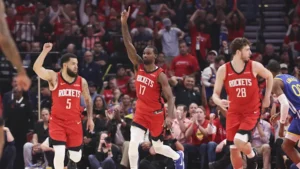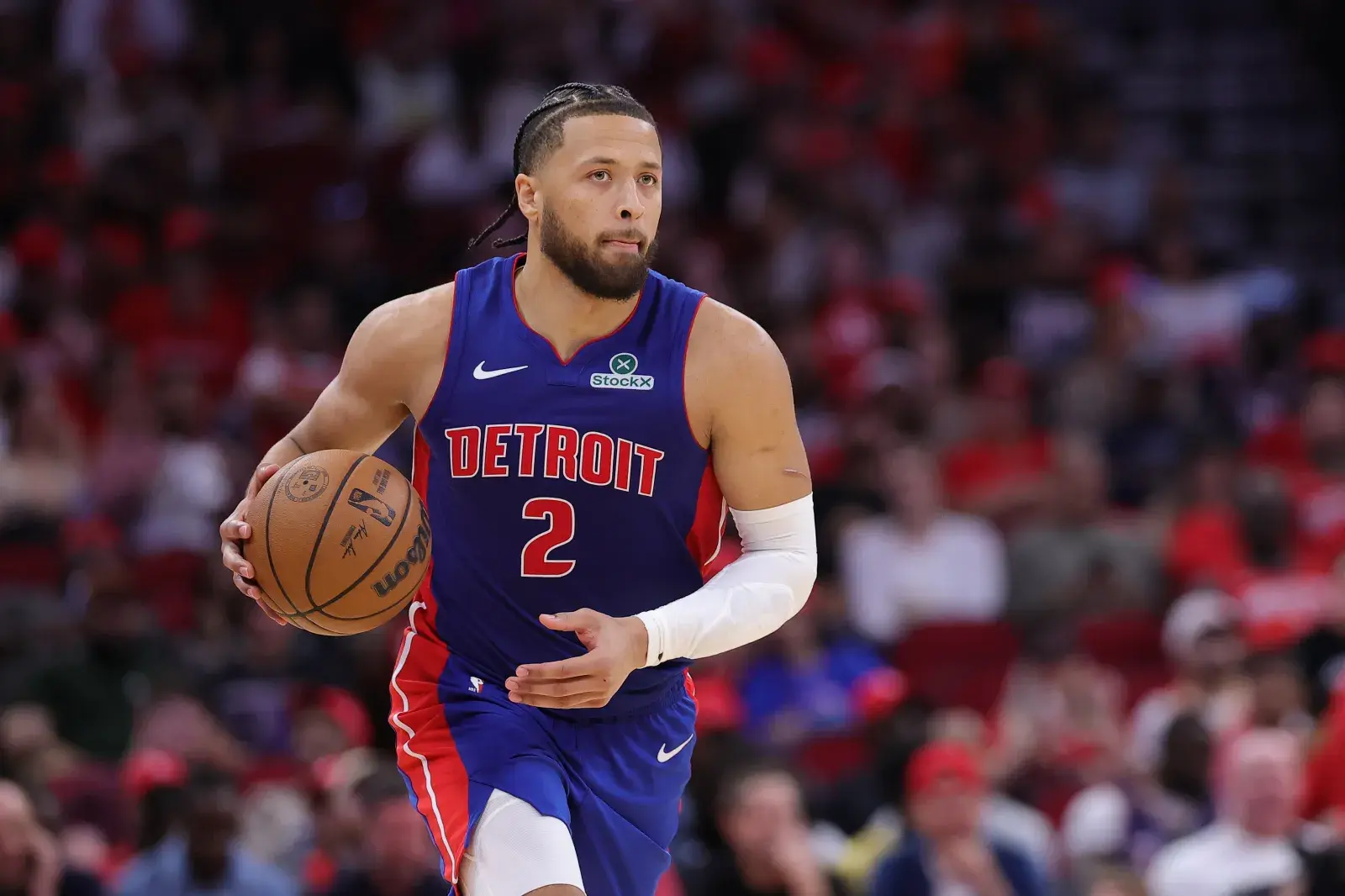
The Detroit Pistons showcased depth and resilience Wednesday night, surging past the Houston Rockets 115-111 for their first win of the season despite missing key players. With starters sidelined, Detroit turned to its bench unit for a pivotal boost and held on in a tightly-contested finish.
Pistons Overcome Absences
Detroit entered the game without several rotation members, forcing coach Monty Williams to lean heavily on his reserves. The team embraced the challenge, with backup forwards and guards stepping into expanded roles and logging critical minutes. Their energy and execution provided the cushion the Pistons needed when Houston made its run.
Bench Unit Steps Up
The bench delivered across the board: a handful of players contributed double-digit points, combined for strong defensive plays, and helped maintain composure down the stretch. One key reserve posted 13 points and nine rebounds, anchoring the second unit’s efforts. Meanwhile, another reliever came through with clutch late-game scoring to secure the edge. This collective lift proved decisive in a game that could have hinged on one swing.
Houston Pushes But Missing Edge
Houston fought hard, producing sparks from multiple starters and flashes of offense throughout the night. Yet the Rockets could not fully take advantage of Detroit’s thin rotation. Late turnovers and missed defensive assignments allowed Detroit’s reserves to remain competitive and ultimately finish stronger. The loss leaves questions for Houston about sustaining momentum when opponents chip away with depth.
What It Means for Detroit
This victory holds significance beyond the win column. For a team dealing with injuries and lineup disruptions, the ability of the second-unit to sustain performance signals promising depth. Should starters return to full health, the Pistons may enter the season with a more well-rounded roster than many expected. Coach Williams emphasized mentality and preparation as key factors: the bench didn’t just fill in but matched the required intensity.
What It Means for Houston
For the Rockets, the result is a wake-up call. In the ultra-competitive Western Conference, losing to a short-handed opponent despite having almost full strength exposes vulnerabilities. Questions remain around late-game discipline, turnover control and whether the roster can respond when challenged. Houston must regroup quickly if it aims to stay in playoff contention.
Looking Ahead
Detroit will aim to build on this performance when their starters return, but the message is clear: this team can win without its full complement. For Houston, the focus now turns to tightening execution and ensuring depth-related issues don’t cost more games. In short-handed match-ups and beyond, both teams will learn from this one.
FAQ
Who led the Pistons’ bench scoring?
A reserve forward logged 13 points and nine rebounds off the bench, topping the second unit.
What was the final score?
Detroit defeated Houston 115-111 in the closely-fought game.
How did the Rockets respond?
They pushed late, but miscues and Detroit’s bench execution tipped the balance.
Why is this win important for the Pistons?
It shows the team has depth, resilience and the ability to win even when undermanned.
What must Houston improve?
Late-game decision-making, limiting turnovers and sustaining defensive intensity.