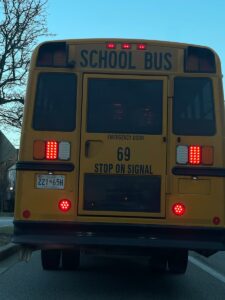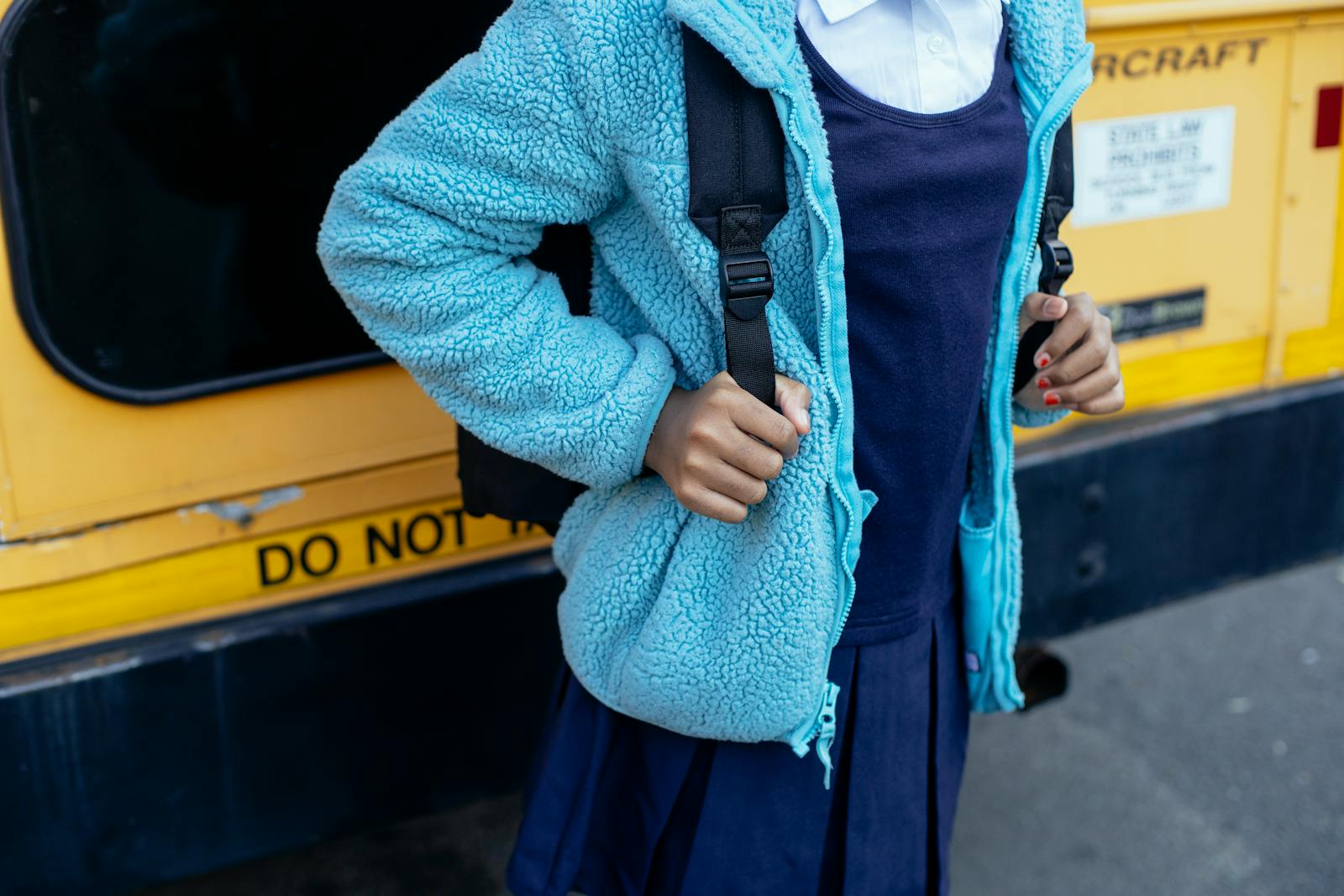
A Houston-area transportation provider is stepping in to support students facing mobility or personal challenges.
In the Houston region, an innovative transportation service is helping students with disabilities, housing instability and other hardships get to school reliably. The provider partners with area school districts to offer specialized rides for this underserved group.
Bridging the Gap
Some students must change schools because of family moves outside district boundaries or other difficult circumstances—but many want to remain with their original classmates and teachers. A transportation director described how the service allows them to stay connected and finish their education in the same community setting.
For students with unique needs, the service does more than pick them up: the same driver uses the same vehicle every day, ensuring consistency and familiarity—factors especially important for children with special-education requirements or those experiencing displacement.
How It Works
-
The service operates across multiple states and works with hundreds of school districts, including several in the greater Houston area.
-
Rides cover both the daily commute and after-school activities like extracurriculars or tutoring sessions.
-
Students with mobility, behavioral or housing challenges receive tailored support, ensuring they can attend school despite complex circumstances.
Why This Matters Locally
For many families, transportation is a major barrier when children face instability, medical needs or special-education services. By offering a dependable alternative, the program helps reduce truancy, supports educational continuity and alleviates stress on caregivers. For districts managing diverse student needs, it provides a specialized solution outside the standard bus routes.
Considerations & Outlook
-
Ensuring capacity and funding: The program’s success depends on district contracts, funding sources and vehicle availability.
-
Integration with student-services: As students with special needs often require additional supports, coordination between transport, school staff and caregiver families is essential.
-
Measuring impact: Tracking reductions in missed school days and improved academic/stability outcomes will be key to evaluating the initiative’s effectiveness.
Final Thought
For students confronting mobility issues, special-education requirements or instability at home, consistent transportation can be a lifeline. This alternative service is helping bridge that gap—so children don’t just get to school, they stay on track and connected to their community.