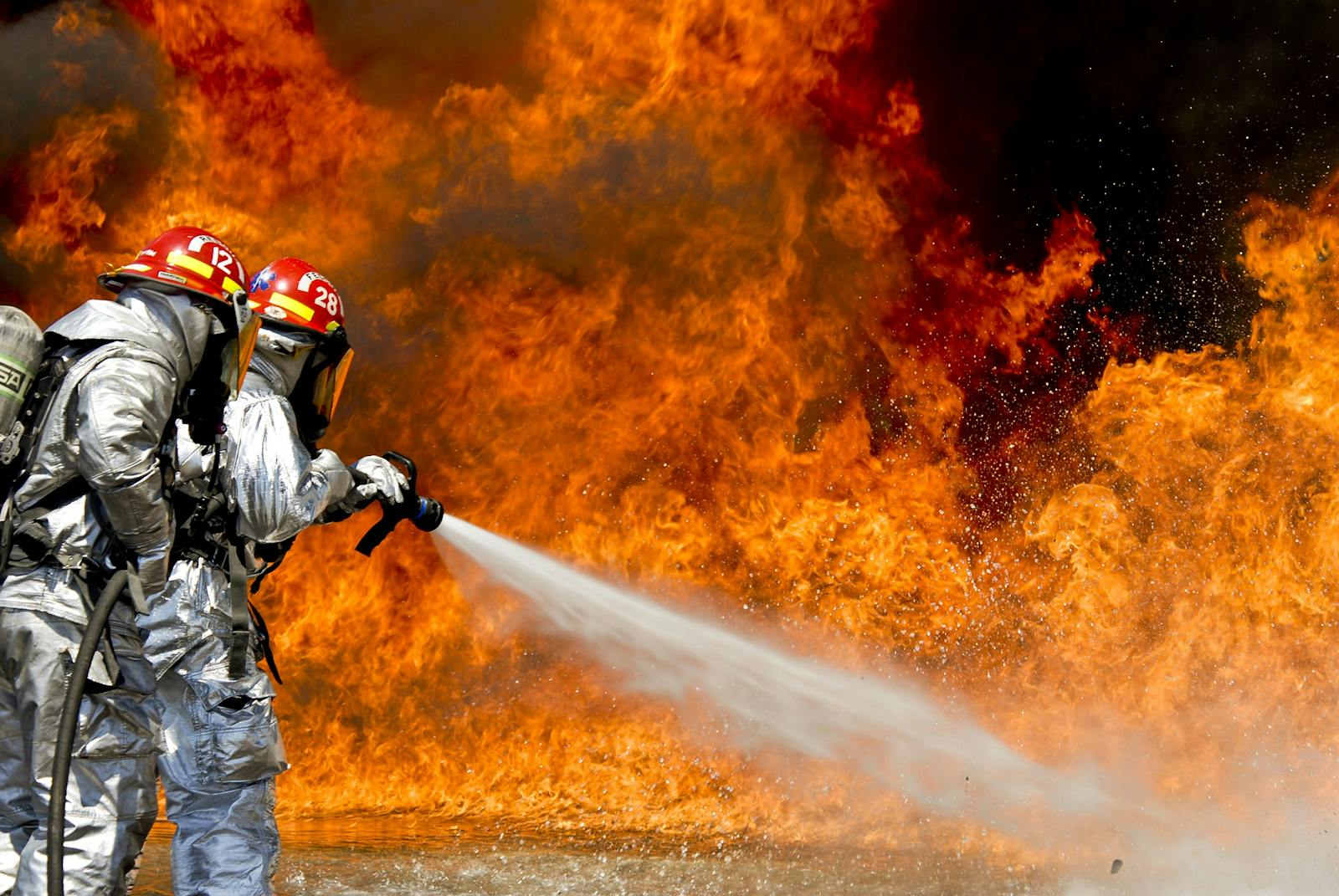
As drought-like conditions grip Southeast Texas, local fire officials are urging residents to take additional precautions amid a noticeable uptick in brush fires.
Rising Risk in Dry Landscape
Several counties in the greater Houston region—including Harris, Montgomery, Fort Bend, Waller and Liberty—are currently under burn bans due to prolonged dry weather. These conditions mean even a small spark can ignite into a large fire quickly, especially when low humidity and winds are present.
In the Spring area, the Spring Fire Department reports responding to three separate brush-fire calls just since Friday. One such fire spread rapidly from grass into nearby structures, underscoring the speed at which these incidents escalate.
How Fires Are Starting
According to fire officials:
-
Discarded cigarettes tossed from vehicles remain a leading cause. Dry grass and wind often turn a flicked butt into a serious blaze.
-
Improper handling of barbecue coals or ash. These remnants remain hot longer than many realize and when placed directly on dry grass or mulch, present a high risk.
-
General debris and items tossed into wrongful locations like burn piles or unprotected bins can serve as ignition points.
Prevention Steps You Should Take
To reduce your risk of being involved in a fire event, local officials recommend:
-
Always dispose of cigarettes, matches or any smoldering material in proper receptacles—never toss out windows or leave in vehicle ashtrays.
-
Ensure barbecue coals are fully extinguished and cooled before moving or disposing of them—in covered metal containers when possible.
-
Keep the area around your home cleared of dry vegetation, trimmed back at least several feet from structures and away from mulch or woodpiles.
-
Maintain awareness of current restrictions—burn bans are in place for a reason, and open burning or fireworks in dry brush areas can quickly spin out of control.
Why Local Residents Should Pay Attention
The Spring/Woodlands region is home to many wooded lots, yards with landscaping beds and natural space borders—all of which can act as fuel when conditions are dry. A small fire can transition from grass to a structure in minutes when wind is present. The cost to homeowners is not just potential property damage—timing, containment and proximity to emergency services all affect outcomes.
Wider Implications
For emergency services, this current surge means increased call loads, resource strain and an urgent need for public cooperation. Fire departments may deploy more patrols in known high-risk zones, and homeowners may see elevated insurance scrutiny if fires become more frequent in their area. From a public policy perspective, local governments may expand burn ban enforcement and ramp up community outreach.
Final Thought
With the Houston area experiencing very dry ground conditions, the window for a small spark turning into a major issue is far shorter than usual. The message from the Spring Fire Department is clear: it only takes one careless disposal of a flammable item to start a fire that spreads rapidly. Taking straightforward prevention steps now can protect property and lives.