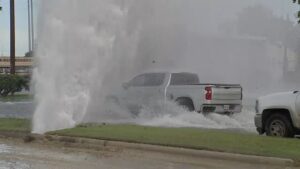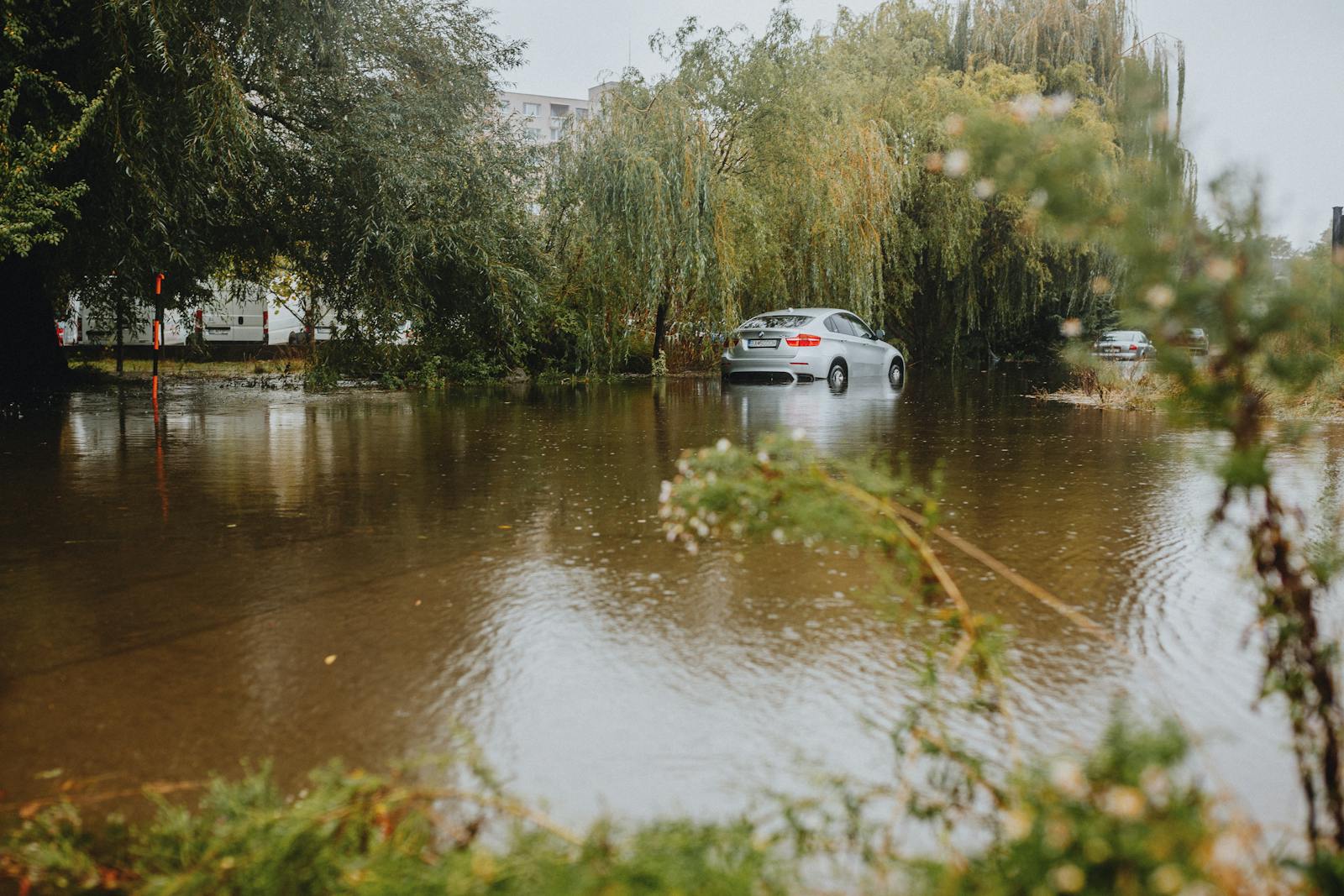
Residents in the Spring-Klein area, particularly along Little Cypress Creek and its tributaries, have long battled the recurring threat of flooding. Heavy storms, backed-up channels, and limited detention capacity have led to street inundation, property damage, and community anxiety after each major rainfall.
To address this, Harris County and the Harris County Flood Control District (HCFCD) have leaned heavily on a voter-approved $2.5 billion flood bond from 2018, targeting large-scale stormwater and drainage improvements across multiple watersheds.
Among these, projects along Little Cypress Creek are now reaching critical phases—some nearing completion, others in design or pause. The goal: transform areas once vulnerable to flooding into zones of resilience.
Where Things Stand: Progress, Pause, and Priorities
Funding Realignment & Project Triage
In early 2025, officials identified a $400 million shortfall in the bond’s project funding, prompting a reassessment of which projects move forward immediately.
The adjustment broke the bond’s 170+ sub-projects into three categories:
-
Active: 75 projects fully funded and proceeding
-
Paused: 26 projects awaiting additional funding
-
Closed / Canceled: 15 projects deemed not technically feasible
Decisions on what stays active prioritize drainage basins with higher social vulnerability, existing drainage stress, and feasible engineering solutions.
Spotlight Projects in the Cypress / Little Cypress Corridors
Mercer Stormwater Detention Basin
-
Status: Under construction
-
Function: Reduce flooding along Cypress Creek by capturing and gradually releasing runoff
-
Funding: About $15 million from federal allocations tied to the bond
-
Impact: Expected completion by late 2025
Other Basin & Channel Projects
-
Senger Detention Basin: In design, with construction projected in 2028; cost around $55 million (federal funding)
-
Cypress Hill Basin: Design phase, with construction slated for 2027
-
Kickerillo-Mischer (Creek Erosion Repairs): State-backed $22 million design/repair work for erosion along creek banks
Paused or Delayed Projects in Little Cypress Watershed
Some planned detention basins and channel improvements have been temporarily paused due to funding gaps or technical challenges:
-
Schiel Basin: $16M allocation, ~$5.1M spent so far; forecasted resume in 2028
-
Mueschke West Basin: Originally ~$10.5M; $7.6M spent; planning on hold till ~2028
-
Mason Basin and Hegar Basin: Engineering and planning stages, but no firm timelines yet
Strategies for Resilience: Beyond Basins
While detention basins and channel realignments form a backbone of the work, the county is also developing broader watershed resilience approaches:
-
The SAFER (Solutions for Advancing Floodplain Evaluation & Resilience) study is underway, covering 11 of 23 watersheds including Cypress Creek.
-
SAFER phases:
-
Community engagement (mid-2025)
-
Tentative project selection (fall 2025 to winter 2026)
-
Draft feasibility reports (winter 2026–mid 2027)
-
Final report submission (summer/fall 2027)
-
Congressional authorization for federal funding (late 2027 to 2028)
-
-
The study will weigh engineering solutions: underground tunnels, floodplain mapping, expanded detention, levees, and nature-based systems.
If approved and funded, SAFER will unlock federal dollars and guide long-term projects beyond what local bond funds alone can support.
Local Voices: Residents and Business Weigh In
Spring-Klein business owners and residents are watching closely, hopeful yet cautious.
-
Marc Priska, a local business owner, expressed optimism: “I believe we are in good shape to handle the additional watershed once all improvements are completed.”
-
HCFCD engineer Mondel Garcia observed that with enough detention capacity, much of the flooding could be reduced to minor street-level impacts.
-
Commissioner Tom Ramsey (Precinct 3) noted that eight of the 15 canceled projects lie in his precinct. Still, he affirmed that $1.5 billion has already been invested countywide in assorted drainage and channel work.
-
Houston Stronger chair Alan Steinberg framed the effort in forward terms: “We need to invest in our future, and we need to invest in flood resilience.”
These perspectives reflect the balance of hope for protection against the frustration of delays, gaps, and uncertainty.
Challenges & Risks Ahead
Even as progress is visible, the path forward carries several complications:
-
Funding shortfalls and competition
The initially large bond has already been stretched. New federal or state grants must compete with other prioritized projects. -
Technical feasibility constraints
Some terrains may not support large basins or channel deepening due to geology, property lines, or natural constraints. -
Community buy-in and disruption
Construction of basins or channel work often requires land acquisition, temporary road closures, or visual impact on neighborhoods. -
Operation and maintenance demands
Detention basins, channels, pumps, and inflow/outflow structures must be maintained long term—a cost often underestimated. -
Climate change intensification
As storm intensities increase, what’s “resilient” today may be insufficient tomorrow.
Translating to Other Regions: Lessons for Michigan or Elsewhere
While this story is rooted in Houston, many cities grappling with watershed flooding or aging infrastructure can draw parallels:
-
Leverage voter-approved bonds early, but plan for overruns
Even well-intended bonds may not fully cover cost escalation—factor in contingencies and phased funding. -
Prioritize based on vulnerability and feasibility
Use social vulnerability mapping, existing drainage deficits, and technical analysis to rank which sub-areas get immediate attention. -
Pair structural and nonstructural solutions
Detention basins, channels, and tunnels must be complemented with floodplain protection, retention policies, green infrastructure, and land use regulations. -
Engage communities fully in planning
Residents should inform design preferences, understand impacts, and see performance data transparently. -
Study long-range, watershed-scale planning frameworks
Tools like the SAFER study allow integration of local projects into a larger, federally fundable plan. -
Anticipate maintenance, not just build
Infrastructure projects often fail decades after construction because upkeep is neglected. -
Monitor adapting climate patterns
Design to exceed historical baselines rather than merely matching them.
If a Michigan city—say suburban Detroit—is facing periodic creek or river flooding, a similar approach (local bond + watershed study + phased projects) could help stabilize neighborhoods and reduce disruptions over time.
Frequently Asked Questions (FAQ)
Why is Little Cypress Creek a focus?
Little Cypress and its tributaries are among the more flood-prone zones in Spring-Klein. Backups during major storms often cascade downstream, affecting neighborhoods along Cypress Creek and the larger watershed. The design calls for relief in overflow and detention capacity there.
What is a stormwater detention basin?
It’s a constructed basin or reservoir designed to collect stormwater runoff during heavy rainfall, then release it slowly into downstream channels, reducing flooding and peak flows.
What happens to the projects put on pause?
They remain in the planning pipeline. Once additional funding is secured (from local, state, or federal sources), many of those paused projects may resume—especially those that ranked high in priority but lacked immediate funding.
When will basin construction be complete?
The Mercer basin is slated for completion by late 2025. Others, like Senger and Cypress Hill, are in design phases with construction expected around 2027–2028.
Will these efforts eliminate flooding entirely?
Unlikely. The goal isn’t zero flood risk, but mitigation—reducing flooding to manageable levels, turning what would be damaging floods into localized, minor street events.
How can residents stay informed or involved?
Through HCFCD community meetings, the SAFER study public feedback sessions, local precinct commission outreach, and monitoring the district’s online project dashboard.
As Spring-Klein’s flood mitigation work approaches critical phases, the vision is shifting from reaction to resilience. The Mercer basin and other projects represent tangible investments, but their success depends on bridging funding gaps, maintaining public trust, and ensuring long-term upkeep. In flood-prone regions nationwide, the story here is not just about basins and channels—it’s about building a future where water is managed rather than feared.