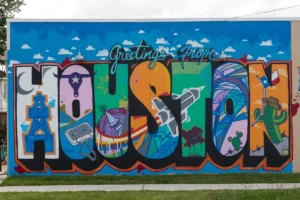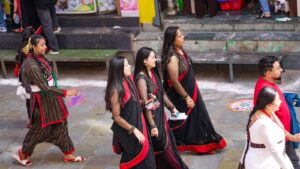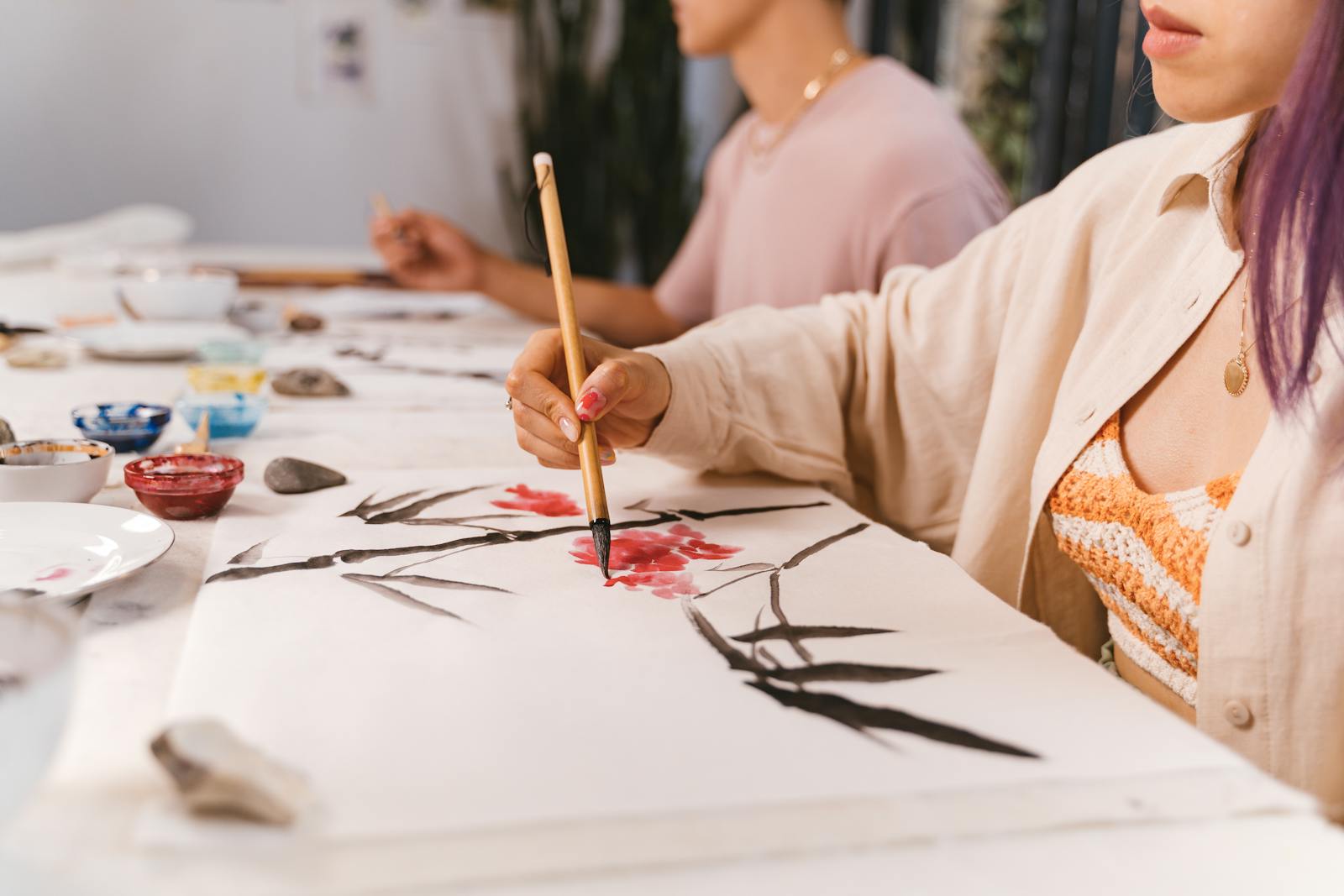
In a modest studio tucked in Houston, Oriental Phoenix Arts stands at a crossroads of performance, therapy, and community. Co-owners Blue Siytangco and Anna Schkade-Siytangco have spent over a decade weaving together martial arts and belly dance—not as a gimmick, but as a deliberate tapestry of healing, inclusion, and cultural respect.
What started as individual passions blossomed into a shared mission: to offer movement as a tool for personal transformation, bridging the gap between disciplines that are often seen as separate or even opposed.
Origins of Two Paths Converging
Anna’s Journey: From Social Anxiety to Center Stage
Anna once experienced crippling social anxiety. She recalls being unable to talk in a drive-through ordering window—her voice caught in fear. But when she discovered dance, it transformed her life.
Dancing became a bridge back to herself. Over time, she immersed herself in the history, technique, and culture of belly dance, eventually designing a curriculum that explores both beginner and advanced levels—and even trains other instructors.
This journey was never just about performance: it became a tool for empowerment. Anna integrates cultural storytelling in her classes, contextualizing movements so that students understand how dances evolved culturally and where they come from.
Blue’s Legacy: A Martial Arts Lineage
Blue Siytangco brings decades of deep martial arts experience. A 12th generation lineage holder of Chen-style Taijiquan (Tai Chi), and an honorary 20th generation member of the Chen martial arts clan, his roots trace back to Macau and China.
Though he has practiced martial arts for 40 years, his formal instructional work in Houston spans more than 16 years. His repertoire isn’t limited to traditional forms—his studio teaches practical self-defense, kickboxing, Chinese wrestling, and cultivates philosophical and spiritual dimensions of martial arts practice.
In their studio, Anna and Blue co-create an environment where martial arts and dance don’t just coexist—they enrich one another.
What Oriental Phoenix Arts Offers Today
The heart of Oriental Phoenix Arts is its inclusive curriculum—open to all ages and levels, regardless of background or experience.
Core Programming
-
Martial Arts & Self-Defense: From foundational Tai Chi to striking arts and grappling, tailored for various ages and fitness levels.
-
Belly Dance & Cultural Movement: Structured classes that teach technique, musicality, and the heritage behind styles, plus instructor training.
-
Complementary Services: Spiritual life coaching, past life regression therapy, and holistic wellness offerings.
-
Cultural Immersion Trips: Retreats to Egypt and China to deepen students’ connection with the origins of dance, movement, and practices they learn.
Through this variety, the studio becomes more than a classroom—it becomes a cultural center, a healing studio, and a gathering place for people exploring body, mind, and heritage.
Why This Blend Matters
1. Healing Through Movement
Both martial arts and dance are embodied forms of expression. Movement can unlock what words can’t. By combining disciplines:
-
Students release trauma held in the body
-
They gain agency over their movement and presence
-
The practice fosters greater self-awareness and confidence
2. Cultural Respect & Inclusion
Anna and Blue anchor their teachings in cultural integrity. Rather than simply teaching gesture, they unravel stories, traditions, and the lineage behind movement forms. When students learn the roots of their art, they gain deeper respect—and the practice feels less like appropriation and more like collaboration.
3. Beyond Physical Fitness
Yes, students might gain strength, flexibility, and coordination. But the studio isn’t just about fitness. It’s about transformation:
-
Emotional growth
-
Community connection
-
Spiritual inquiry
-
Personal empowerment
Challenges & Delicate Balances
No hybrid model is without tension. Oriental Phoenix Arts must walk a tightrope:
-
Maintaining authenticity: Can one space genuinely serve both dance and martial practice without diluting either?
-
Cultural lineages vs adaptation: How do you honor origins while adapting to local community needs?
-
Pressure on instructors: Teachers must be multidisciplinary—or coordinate closely across fields.
-
Marketing clarity: Prospective students might struggle to understand what this unique model is.
It helps that Anna and Blue are deeply committed to collaborative growth—teaching students to respect both disciplines rather than forcibly fusing them.
Bringing It Home: Lessons for Other Cities
If a cultural-healing arts studio like this were to open in Detroit or in Michigan, what would matter?
Community-First Roots
Start with listening: host local focus groups in neighborhoods, collaborate with existing arts organizations, and ensure outreach that includes historically marginalized communities.
Hybrid Offerings Aligned to Needs
In Michigan, a studio might integrate indigenous dance forms, movement traditions rooted in African American communities, or local martial arts styles with the same spirit of respect and inclusion.
Accessible Pricing & Funding
Healing arts too often become luxury goods. Offer sliding scales, scholarships, or “pay what you can” classes. Partner with non-profits, health organizations, or community centers that support wellness access.
Measurable Impact
Track outcomes like:
-
Student retention
-
Self-reported improvements in confidence, mood, belonging
-
Community events hosted or participatory classes
Regular transparency builds legitimacy and trust.
Strong Local Partnerships
Connect with mental health providers, veterans’ support groups, cultural centers, and rehabilitation programs. This breadth will help the studio play a role as a wellness hub—not just a class venue.
Frequently Asked Questions (FAQ)
Is martial arts compatible with belly dance?
Yes — when approached with respect for their respective traditions, they can complement each other, offering balance: strength, fluidity, control, and expression.
Who can take classes there?
People of all ages and levels, from absolute beginners to advanced practitioners. The studio’s design is inclusive.
Do you need to commit to both disciplines?
No — students can engage with either discipline independently or explore both at their own pace.
Are the cultural immersion trips required?
No. They are optional, meant for deepening experience and connection — but not mandatory for regular membership.
Does the business model depend on high fees?
No. While premium offerings exist, the philosophy is to remain accessible. Scholarships, sliding-scale pricing, and community models help make classes reachable.
How do they protect cultural integrity?
By teaching the history, lineage, and respectful context behind movement forms — not just the surface elements — and inviting students to understand the deeper traditions they are engaging with.
This story of Oriental Phoenix Arts illustrates how the intersection of cultures and movement can become a powerful tool for healing, inclusion, and creative community. Their approach — where martial arts and belly dance aren’t separate silos but parts of a holistic tapestry — offers a model for how creative wellness ventures can thrive in diverse urban landscapes.