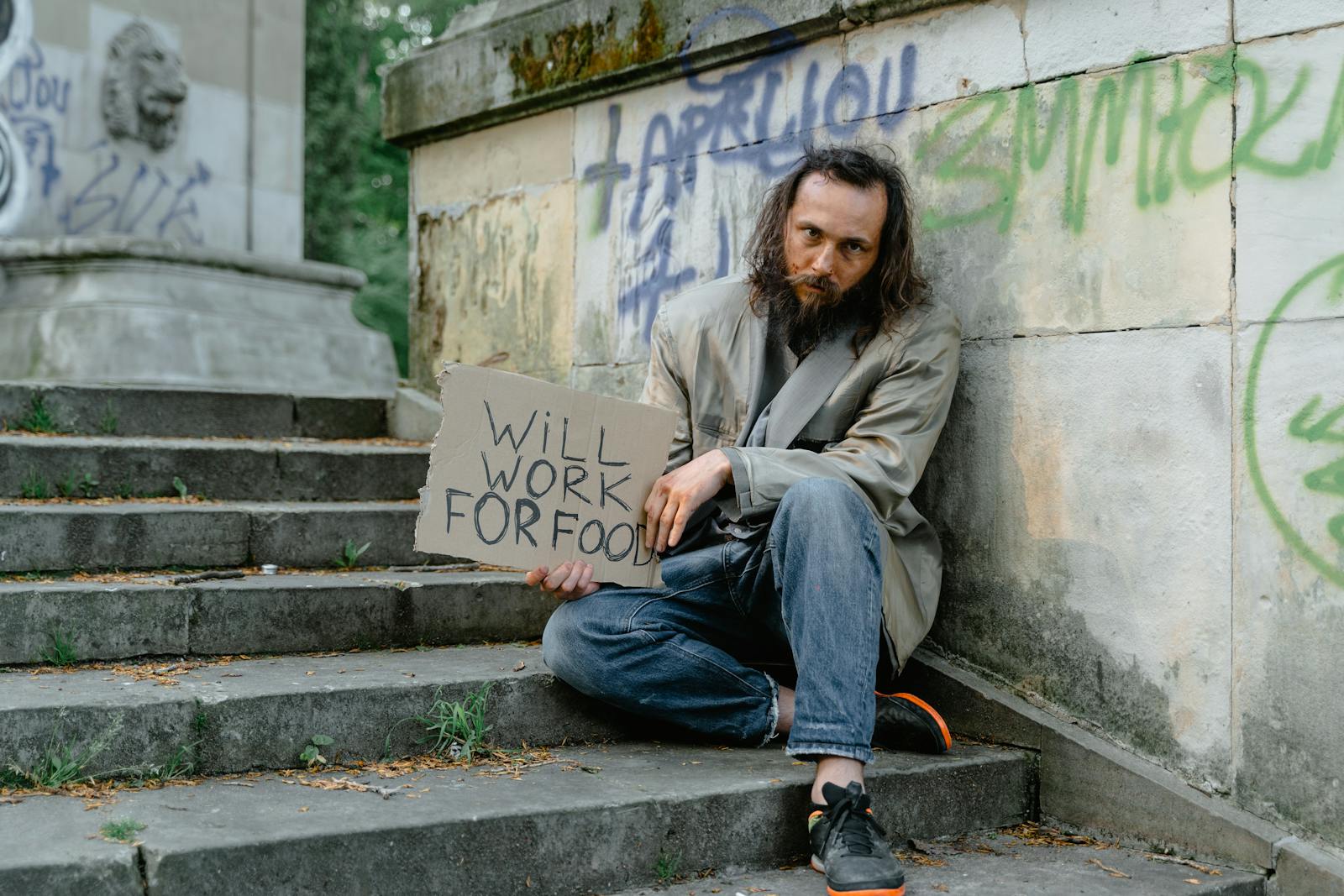
Houston’s push to build its first super hub homelessness center is meeting fierce community headwinds just as it approaches a critical City Council vote. The plan, which would position the facility in East Downtown, is designed to act as a centralized intake center — a “front door” for individuals experiencing homelessness to receive coordinated health, mental health, and substance use services. But residents near the proposed site say they were blindsided, raising alarms over safety, transparency, and property impacts.
What Houston Proposes: A Centralized Model
City officials describe the super hub as a transformative infrastructure in the broader End Street Homelessness Action Plan. Its key features:
-
Location: 400 block of Emancipation Avenue, East Downtown
-
Capacity & Function: The hub would serve between 150–225 individuals simultaneously. Instead of traditional shelter models, it’s framed as a navigation center—where people can be triaged for behavioral health services, housing placement, and wraparound support.
-
Alternatives to Enforcement: The hub is meant as an alternative to citations or jail for those found sleeping in public, funneling them into services instead of punitive measures.
-
Operational Scale:
-
It is part of a three-year $168 million “Ramp Up Plan” involving multi-partner funding.
-
$33 million has been committed by the city, $8 million from Harris County, and $6 million in philanthropic support.
-
Annual operating costs are projected at $10–14 million, excluding housing subsidies or long-term support services.
-
City leaders argue the hub will fill glaring gaps: limited shelter intake hours, scattered services that lack coordination, and few resources for people with severe mental illness or substance use disorders.
As Councilmember-At-Large Twila Carter put it: “This is not a shelter — it’s a navigation center.” City leadership, including Mayor John Whitmire, have attempted to appease critics by emphasizing that safety is nonnegotiable.
Community Response: Distrust, Concern, Frustration
From condominium dwellers to small business owners, locals near the proposed site say the process has been rushed and opaque. Their concerns include:
-
Lack of Community Engagement
Many attendees at a recent meeting said they had little notice or access to detailed plans. One resident lamented: “You’re not giving us enough time to see this plan.” -
Safety Fears
People cite worries about crime, loitering, substance use, and other risks associated with high-need populations. One long-time neighbor warned, “It’s going to be a dangerous situation for the homeless and the community.” -
Local Economic & Placement Conflicts
The hub sits near residential condos (Stanford Lofts is two minutes away) and close to sites tied to future FIFA World Cup 2026 events, raising fears of reputational or economic impacts. -
Premature Timing of Vote
The proposal was originally slated for a vote in City Council, but owing to the controversy, it was pulled from the agenda—an indication of stiff resistance and procedural caution.
Why Houston Sees It as Necessary
From the city’s perspective, several forces push toward the super hub model:
-
Service Fragmentation: Many homeless services are distributed across nonprofits, clinics, and city agencies, leading to duplication and inefficiency. A central hub would theoretically streamline case management.
-
Severe Cases Left Unaddressed: People with co-occurring mental health and addiction issues often fall through the cracks. A more comprehensive hub might capture and serve that population better.
-
Public Safety and Perception: City leaders argue that consolidating services allows better oversight of street-level homelessness, reducing public nuisances and improving community conditions.
-
Forward Planning: If passed, Houston plans multiple super hubs across Harris County—each serving as a core node in a larger network.
Municipal leaders are betting that once operations begin and services are in motion, the hub’s benefits will overshadow early community apprehension.
Core Tensions at Play
As Houston navigates this pivot, several core tensions have surfaced:
| Tension | City Narrative | Community Counterpoint |
|---|---|---|
| Accountability vs Speed | Officials say delay would hinder pressing need | Residents argue better plans and more input needed |
| Safety Assurance | Mayor promises no public urination, nudity, or unmanaged behavior | Skeptics view promises as optimistic without proof |
| Transparency | Officials claim outreach has been made | Locals counter that notices were late and sparse |
| Property Value & Quality of Life | City argues long-term stability will increase neighborhood value | Critics fear disruption, crime, or stigma |
| Cost & Funding | Multi-party funding and generous budgets | Cost overruns and sustainability remain open questions |
These struggles are familiar in urban planning debates everywhere—and Detroit or Michigan cities would face parallel dynamics if considering something similar.
What Happens Next
Because of the backlash, Houston’s City Council has delayed the vote to give more time for dialogue. If the plan receives approval later, it would be just the first super hub, with more to follow across Harris County.
Public meetings and community engagement sessions are expected to intensify, and local stakeholders are watching closely. The city is under pressure to prove that this hub will truly function safely, efficiently, and compassionately—not merely as a flashpoint in neighborhood politics.
Lessons & Considerations for Other Cities (Detroit/Michigan Angle)
While Houston’s model arises in its own geography and political context, cities in Michigan considering similar strategies can draw several lessons:
-
Begin with genuine community engagement: Hold forums far earlier in the planning process, not just after layouts are drawn.
-
Choose locations thoughtfully: Residents will fight projects placed near homes, schools, or event venues. Buffer zones, mixed-use transition areas, or setback policies help.
-
Phase in services slowly: Start with lower-risk cohorts or limited capacity and expand as trust builds.
-
Transparent operations and metrics: Publish dashboards on incidents, service throughput, and community impacts.
-
Financial realism: Projects often understate maintenance, staffing, and wraparound costs.
-
Safety-first design: Utilize environmental design (lighting, sight lines, staff presence, security partnerships) from Day One.
Detroit already has a significant network of shelters, outreach providers, and nonprofits. Introducing a centralized “super hub” would require strong coordination among city, county, health, and human services agencies. But if done well, it could reduce duplication, better connect high-needs clients, and improve outcomes overall.
Frequently Asked Questions (FAQ)
What is a “super hub” for homelessness?
A super hub is a consolidated center where people experiencing homelessness can access multiple services—intake, medical care, mental health treatment, housing placement, substance abuse support—under one roof, rather than navigating multiple agencies or locations.
How is it different from a traditional shelter?
Unlike traditional shelters that provide beds and basic services, a super hub is designed as a navigation center. Its purpose is to triage and route clients to appropriate services and longer-term supports.
Why do advocates say it’s needed?
Because homelessness and behavioral health needs are complex. Many existing shelters or service providers specialize in only one domain (e.g., food, emergency shelter, mental health), leaving people with co-occurring needs underserved or bounced around.
What are typical criticisms?
-
Public safety concerns
-
Lack of transparency in planning
-
Fear of property value impacts
-
Cost and sustainability
-
Social stigma or NIMBYism (“not in my backyard” resistance)
How can cities mitigate pushback?
-
Deep community engagement from the early stages
-
Incremental rollout
-
Strong security design and protocol
-
Clear, accessible performance reporting
-
Collaborative partnerships with nonprofits and neighborhoods
Have other cities implemented similar models?
Yes. Some cities have adopted centralized “navigation centers” or “coordinated entry hubs” (though perhaps not full super hubs). Success varies depending on planning, integration, operations, and community collaboration.
As Houston’s journey shows, launching a super hub solution isn’t just a matter of infrastructure and funding—it’s a delicate balance of trust, transparency, and design. The coming weeks will test whether promises of safety and service can overcome skepticism. In any city—Detroit included—success will depend less on brick and mortar than on relationships, planning discipline, and the courage to adapt when problems emerge.