



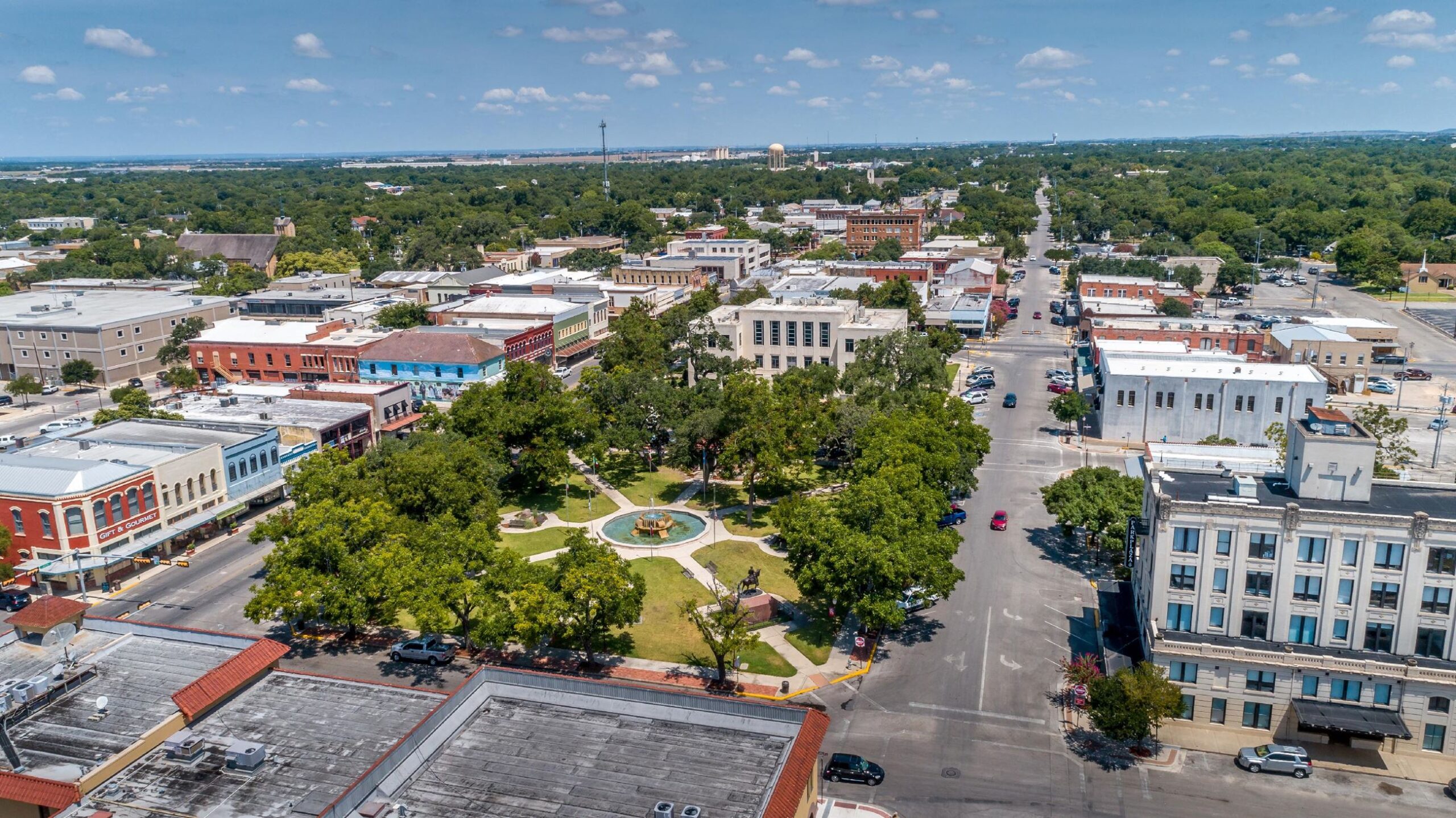
Between San Antonio and Houston, nestled along the slow, winding waters of the Guadalupe River, lies Seguin, Texas — one of the state’s oldest cities and one of its most scenic. With historic buildings, riverside parks, and a pace of life that moves a little easier than the big cities on either side, Seguin has become an increasingly attractive place to live, visit, or simply unwind.
Founded in 1838, Seguin began as a frontier settlement called Walnut Springs before taking its current name in honor of Juan Seguin, a hero of the Texas Revolution. Nearly two centuries later, it remains a living testament to early Texas — a community that blends history, culture, and affordability with quiet resilience.
Historic Roots and a Sense of Place
What makes Seguin stand apart is how deeply its identity remains tied to its past. It’s one of the few places in Texas where 19th-century architecture lines the streets in every direction — courthouses, churches, and family homes built with the same limestone pulled from the surrounding hills.
Its economy grew from agriculture, pecans, and oil, but its legacy comes from craftsmanship and community pride. Locals often say you can still hear the hum of the town’s early industry in its downtown, where historic storefronts have been converted into restaurants, cafés, and boutiques.
Walk down Austin Street or past the courthouse square, and it feels like a movie set — only it’s the real thing: a living, breathing downtown where everyone still seems to know each other’s name.
Scenic and Affordable
For all its charm, Seguin also stands out for what it doesn’t have — congestion, high housing costs, or the anonymity that often comes with rapid growth. Homes here cost significantly less than in neighboring metros, and there’s room to stretch without losing connection to urban centers.
Residents describe Seguin as “big enough to have what you need, small enough to keep what matters.” The Guadalupe River cuts through the city, feeding a patchwork of parks and trails that offer scenic views and shady escapes. Walnut Springs Park winds through downtown with stone walkways and bridges that look much as they did when built during the 1930s.
What to See and Do
Seguin’s attractions reveal the town’s dual identity — historic yet youthful, preserved yet practical:
-
Sebastopol House Historic Site — An elegant 1850s mansion built of limecrete, rare even by Texas standards.
-
Heritage Village & Museum — A collection of early homes and exhibits tracing life on the Texas frontier.
-
Los Nogales — One of the oldest surviving adobe homes in the region.
-
Max Starcke Park and Saffold Dam — A scenic recreation area where families picnic beside river bends and fishermen cast from the stone wall overlooking the water.
-
Downtown District — Antique stores, diners, and modern cafés fill historic buildings that light up beautifully at night.
Even with the closure of ZDT’s Amusement Park earlier this year, locals are optimistic about reimagining its space for future recreation or public use.
Growth and Preservation
Like many Texas towns, Seguin sits at a crossroads between expansion and preservation. Its proximity to two major cities makes it ideal for commuters and businesses, but locals are intent on growing carefully. City leaders and preservation groups have placed heavy emphasis on maintaining the charm that defines downtown — encouraging restoration over replacement, and walkable design instead of sprawling development.
The challenge is balancing modernization without erasing character. That’s why Seguin has focused recent investment on beautifying public spaces, supporting small businesses, and promoting cultural tourism rather than heavy industrial expansion.
Life Along the Guadalupe
Life here moves to the rhythm of the river. The Guadalupe’s curves shape not just geography, but identity. From early morning kayakers to evening strollers watching the water shimmer in fading light, the river anchors Seguin’s daily life — a natural throughline connecting old and new generations alike.
This connection to nature, affordability, and authenticity continues to draw retirees, families, and remote workers who want small-town calm without isolation. For many Texans, Seguin offers a piece of the past with a clear view of the future.
Looking Ahead
With new housing developments on the outskirts and steady downtown revitalization, Seguin seems poised for smart growth. The city’s goals are simple: preserve history, support local business, and protect its natural resources.
The community’s sense of identity — part frontier grit, part Southern grace — is what keeps it thriving. In the years ahead, Seguin will likely remain what it’s always been: a gateway between the cities, a haven along the river, and one of Texas’s most quietly beautiful small towns.
FAQ
Where is Seguin located?
About 30 miles east of San Antonio and roughly halfway to Houston, along the Guadalupe River in south-central Texas.
Why is Seguin known as the “Pecan Capital of Texas”?
The area’s fertile soil and river access made it one of the state’s largest pecan-producing regions. The downtown’s “World’s Largest Pecan” statue pays tribute to that legacy.
What attractions define Seguin?
Historic architecture, the Sebastopol House, Los Nogales, and parks along the Guadalupe are central to the city’s identity.
How affordable is Seguin compared with nearby cities?
Housing and utilities cost notably less than in San Antonio or Houston, making it attractive for families and retirees.
What’s next for Seguin?
Revitalizing downtown, protecting the river corridor, and finding new uses for the former amusement park site rank among key priorities.