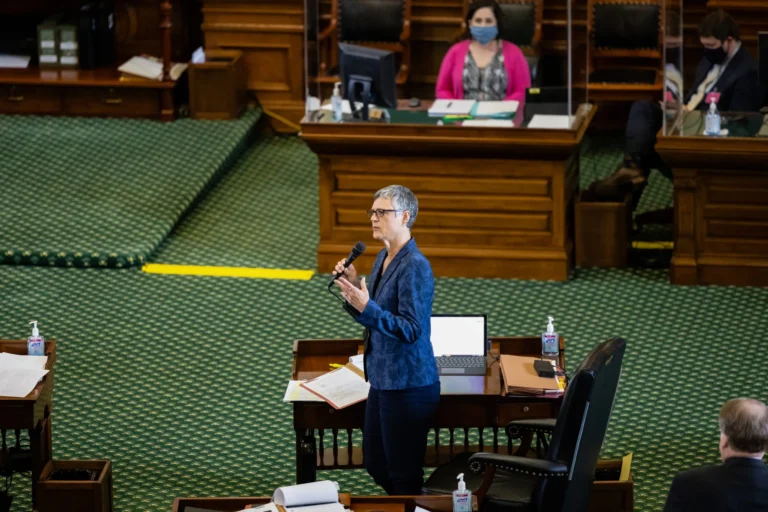




Houston Gaines, who has served in the Georgia House since 2019, is shifting his political aim toward higher office amid a crowded battleground this election cycle. He’s now running to succeed Congressman Mike Collins in the 10th District, while keeping his eye on a competitive Public Service Commission (PSC) election and a Senate race drawing national attention with major fundraising.
Gaines recently appeared on a televised political program to discuss his platforms, his views on the ongoing partial federal government shutdown, and key issues ranging from health care reform to immigration policy.
Gaines’s Path & Ambition
Representing the Athens region, Gaines built his reputation over multiple terms in the state legislature. His decision to enter the congressional race marks a turning point in his trajectory, positioning him as a rising figure in Georgia Republican politics.
The PSC election is also drawing attention. Two seats on the regulatory commission are up for grabs, and both parties are deploying significant resources to influence outcomes.
Simultaneously, the U.S. Senate contest in Georgia has become a high-dollar battle. Both Gregory Mike Collins and challenger Derek Dooley have each raised close to $2 million, signifying the race’s intensifying gravity and national focus.
Key Issues on the Table
During his televised interview, Gaines addressed several major themes:
-
Budget & Shutdown: He condemned the partial government shutdown and called for fiscal responsibility and governance continuity.
-
Health Care: He argued for policies that balance market dynamics with accessibility, citing the need for reform in underserved areas.
-
Immigration: He positioned himself as a proponent of securing the border while streamlining legal pathways for those already in the United States.
-
Regulatory Oversight & Energy: Given the PSC stakes, his remarks emphasized balanced regulation, infrastructure investment, and clean energy evolution.
Context & Political Dynamics
The PSC race, typically less visible, has taken on fresh importance. Control of the commission influences energy rates, utility regulation, and infrastructure decisions across Georgia — all matters closely watched by both rural and urban communities.
Meanwhile, the Senate race has elevated the stakes. Raising nearly $2 million by each major candidate signals that both sides view the seat as pivotal in shaping state and federal dynamics heading into 2026.
Challenges Ahead
Gaines faces a multifaceted path. Winning a congressional primary in the 10th District will test his appeal beyond his home region. Meanwhile, the PSC campaign requires demonstrating regulatory fluency to skeptical voters who care about rate hikes and utility governance.
Further complicating matters is the crowded political climate. Multiple high-profile races compete for voters’ attention and fundraising dollars, potentially fragmenting support and campaign focus.
Why It Matters to Georgia Voters
If Gaines succeeds, Georgia would add another fresh face in Congress with ties to state-level experience. The PSC outcomes will directly affect electricity costs, utility oversight, and energy reliability — issues that touch every household. Meanwhile, how the Senate race plays out could shift the balance of power and influence Georgia’s role in national politics.
FAQ
What position is Houston Gaines running for?
He’s entering the congressional race in Georgia’s 10th District and is also active in the PSC campaign environment.
What is the Public Service Commission (PSC)?
A regulatory body overseeing utilities, energy policy, and related infrastructure issues in Georgia.
How much money are Senate candidates raising?
In the current cycle, the top contenders have each brought in nearly $2 million toward their campaigns.
What are Gaines’s policy priorities?
He has emphasized fiscal restraint, health care reform, immigration balance, and regulatory certainty in energy.