Houston Rolls Past Oklahoma State as the Cowboys’ Struggles Deepen
The downward slide continued for Oklahoma State on Saturday, as Houston delivered a decisive 39–17 victory that exposed deeper issues within the Cowboys’ lineup and execution. The Cougars, efficient on both sides of the ball, controlled the tempo from the opening series and never looked back, leaving Oklahoma State searching for answers in a season that continues to unravel.
Houston Seizes Control Early
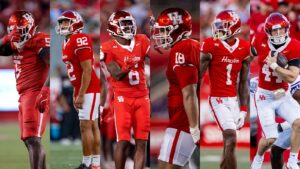
From the first drive, Houston dictated pace and rhythm. Quarterback Conner Weigman demonstrated composure and range, finishing with more than 300 yards passing, two touchdowns through the air, and another on the ground. His ability to extend plays and find open receivers neutralized Oklahoma State’s pass rush and allowed the Cougars to spread the field effectively.
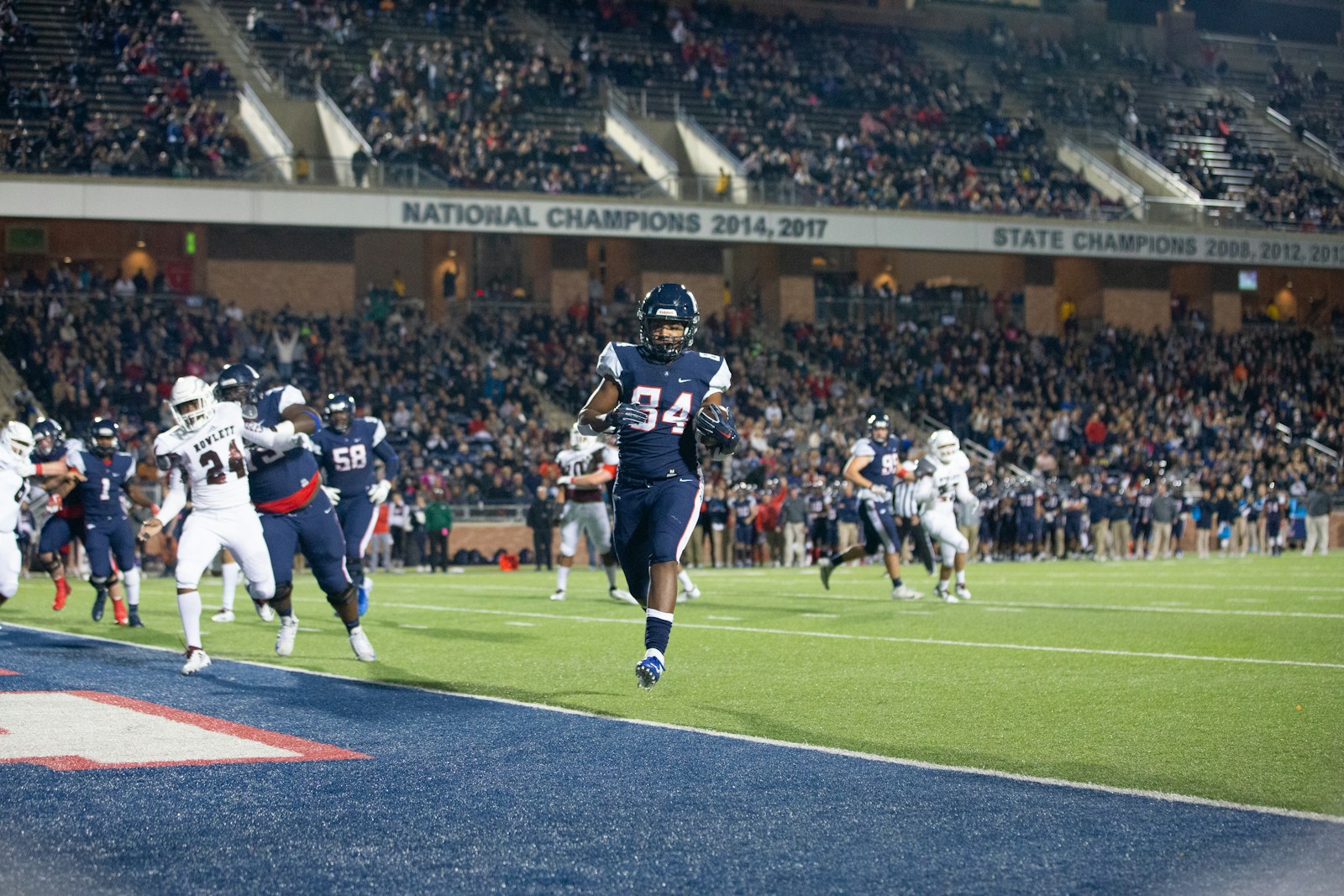
Running back Dean Connors balanced the offense with a physical ground presence, adding a rushing score and a highlight one-handed catch for a touchdown. Houston’s play-calling blended short precision passes with quick inside runs, keeping defenders off balance and forcing the Cowboys into missed tackles.
By the midpoint of the second quarter, Houston’s offense had scored on nearly every possession. The combination of sustained drives and defensive stops built a double-digit lead that would never narrow.
Oklahoma State’s Offensive Breakdown
Oklahoma State opened with energy, briefly sparking hope on a well-executed trick play that turned a double pass into a 63-yard touchdown. That early strike, however, was the exception to an otherwise inconsistent performance.
Quarterback Sam Jackson V, in one of his first extended starts, struggled to find rhythm. He completed fewer than half his passes and threw an interception that shifted momentum firmly in Houston’s favor. A mid-game switch to Noah Walters offered a temporary lift, as the offense moved more fluidly late in the game, but the deficit was already too large to close.
Protection issues, penalties, and missed blocking assignments compounded the problems. The offensive line failed to give either quarterback sufficient time, and Houston’s defense capitalized, applying steady pressure that disrupted any sustained rhythm.
Defensive Fatigue and Depth Concerns
Oklahoma State’s defense, already stretched thin by injuries, spent much of the afternoon reacting to Houston’s quick tempo. Cornerback Jaylin Davies exited with a late-game injury, leaving the secondary vulnerable and exposing depth concerns that have surfaced all season.
Missed tackles and broken coverage were recurring issues. Each time the Cowboys appeared to regain composure, Houston responded with precision passes or well-timed runs that extended drives. By the fourth quarter, exhaustion was visible across the defensive front.
Houston’s Efficiency Defines the Contest
While the Cougars produced highlight moments, their consistency was what stood out. Seven of ten possessions ended in points. Drives were methodical, with crisp execution and few wasted downs. The offensive line’s protection allowed Weigman to operate calmly, and Connors’ versatility in both rushing and receiving roles turned short plays into extended gains.
Special teams also contributed, converting key field goals and pinning Oklahoma State deep on kickoffs. The Cougars’ game plan appeared simple but disciplined: control possession, limit turnovers, and exploit mismatches in the secondary. It worked flawlessly.
Oklahoma State’s Broader Struggles
For a program long known for high-tempo offense and disciplined play, the past month has brought stark contrast. This loss marked the Cowboys’ fourth straight defeat and underscored ongoing instability at quarterback and inconsistencies on both lines of scrimmage.
At 1–5 overall and winless in conference play, the team faces internal questions about leadership, depth, and identity. Offensive coordinator Kasey Dunn’s unit, once among the Big 12’s most creative, has struggled to adapt to personnel turnover and a thinner roster. Defensively, fatigue from extended field time and limited rotations has eroded fundamentals.
The current slide represents one of the most challenging stretches in recent seasons. Without a quick turnaround, bowl eligibility and competitive positioning are slipping away.
What the Victory Means for Houston
For Houston, this win carries more weight than the scoreboard suggests. It validated the Cougars’ ability to execute against a conference opponent and highlighted the development of younger talent, particularly in the passing game.
Weigman’s command of the offense and Connors’ emergence as a dual-threat back give the team a balanced attack heading into the heart of Big 12 play. The defense, while not flawless, displayed discipline in containment and tackled efficiently throughout the game.
The performance also reinforces Houston’s standing as a program adapting well to conference expansion pressures. Strong offensive balance and improved depth may position the Cougars for an above-.500 season, a goal that seemed uncertain early in the year.
Key Statistics
| Category | Houston | Oklahoma State |
|---|---|---|
| Total Yards | 468 | 297 |
| Passing Yards | 306 | 148 |
| Turnovers | 0 | 2 |
| Third-Down Conversions | 8/13 | 3/11 |
| Time of Possession | 33:18 | 26:42 |
What Lies Ahead
Houston will face a tougher stretch in the coming weeks, with matchups against upper-tier conference programs that will test its depth and consistency. For now, the team can build on its balanced approach and growing confidence.
Oklahoma State must regroup quickly. Stability at quarterback is the immediate concern, but broader adjustments in play-calling, protection schemes, and defensive stamina are equally pressing. The remainder of the season will measure the coaching staff’s ability to adapt rather than rebuild.
Local and Broader Implications
The contrast between these programs mirrors a larger pattern across college football — emerging teams from growing markets finding footing against established names navigating transition. For fans in Detroit and across Michigan, where college programs similarly juggle expectations and roster development, Houston’s example underscores how disciplined adaptation can yield quick results.
In the modern era of transfer portals and NIL influence, flexibility, depth, and leadership often outweigh tradition. Programs that adjust fastest sustain relevance; those that hesitate risk prolonged decline.
Final Take
Houston’s 39–17 victory was more than a win on the scoreboard. It was an assertion of preparation, balance, and execution against an opponent still searching for stability. For Oklahoma State, it marked another week of frustration, with mounting pressure to rediscover the consistency that once defined its brand of football.
Both teams leave the field at crossroads — one trending upward, the other looking inward. How they respond in the next month may determine the shape of their seasons and, perhaps, the direction of their programs.
FAQ
What was the final score?
Houston defeated Oklahoma State 39–17.
Who were the top performers?
Quarterback Conner Weigman led Houston with more than 300 passing yards and three total touchdowns, while Dean Connors added strong rushing and receiving production.
Why did Oklahoma State struggle?
Inconsistent quarterback play, offensive line breakdowns, and defensive fatigue combined to undermine the Cowboys throughout the game.
What’s Houston’s current record?
The Cougars improved their conference standing and moved closer to an even record on the season.
Is Oklahoma State’s season in jeopardy?
With only one win and multiple conference losses, postseason hopes are fading unless the team can reverse its slide immediately.