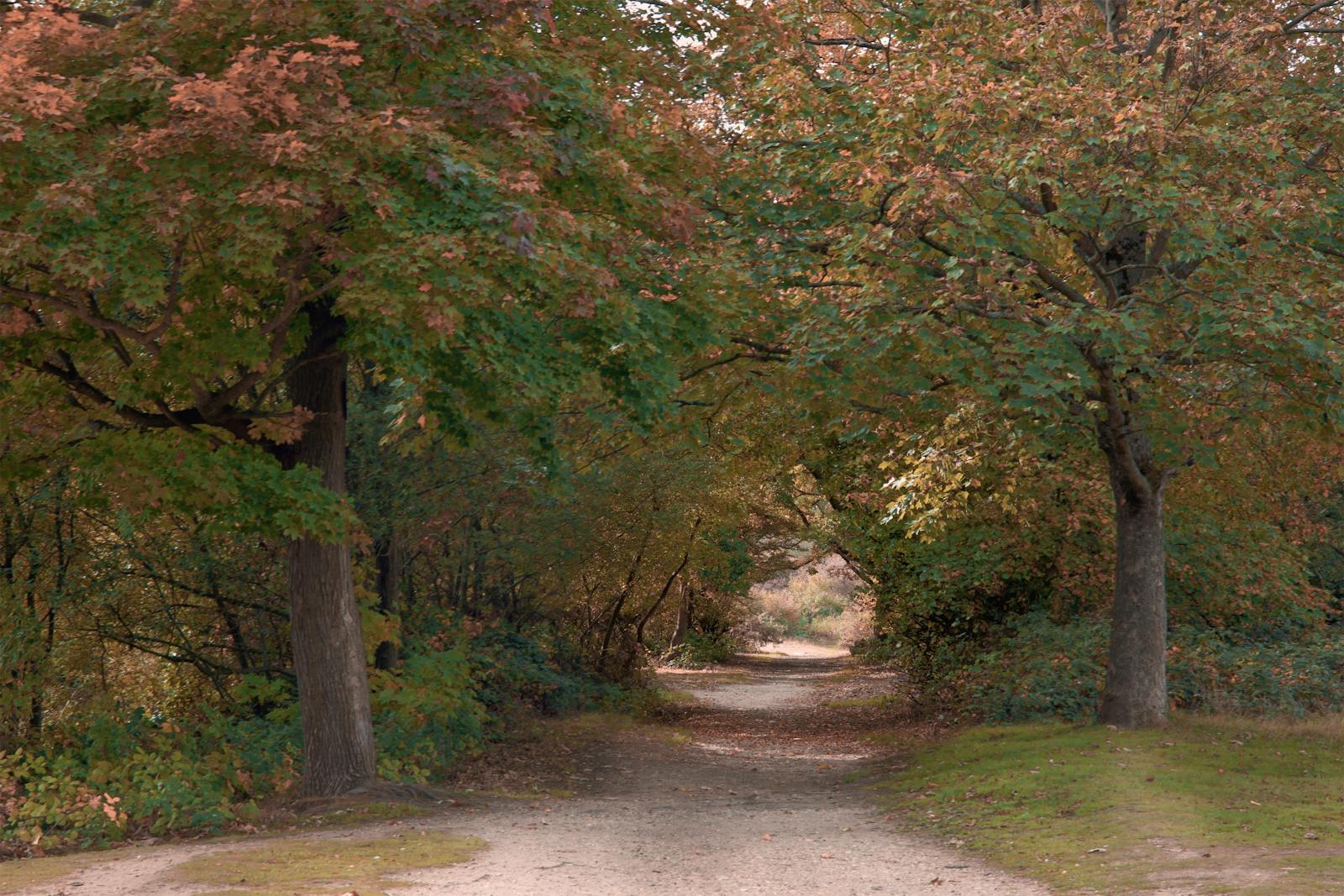
On a cool morning in Houston, you might find yourself strolling down tree-lined streets, past Victorian cottages softened by climbing vines. Shop windows flicker with boutique charm. A mural catches your eye. A corner café wafts fresh espresso. You glance at your watch and realize you’ve wandered further than you meant to — but that’s the point. Welcome to The Heights, a neighborhood where walkability isn’t an afterthought but a lifestyle, and creative currents pulse just beneath the pavement.
It’s easy to dismiss Houston as sprawling highways and concrete expanses. But The Heights insists on a different image: an enclave of charm, character, and human scale — where art, history, and community overlap in constellations rather than grids.
A walk through history and homes
Developed in the late 19th century, The Heights was among the first satellites of Houston to host elevated aspirations. Early residents built Victorian and bungalow homes, planting roots amid oak and magnolia. As time marched on, some homes aged, some lots changed hands, but the bones remained: narrow lots, porches, front steps where neighbors pause to chat.
Walking the historic blocks, you’ll see original houses beside tasteful renovations. The architectural dialogue spans wrought-iron fences, gabled roofs, ornate trim, and modern infill. The trees are old, the sidewalks known, and the rhythm is slow — not languid, but human.
Heights Boulevard itself is a spine of neighborhood character. Walkers, dog-walkers, joggers, and shoppers converge. Shops tucked into old houses, antiques, boutiques, small cafés — they relate to the street, not to parking lots. It feels curated by people, not developers.
The creative current beneath the sidewalks
Murals — bold, playful, sometimes haunting — animate walls and fences. One might depict two elephants leaning in, their trunks forming a heart. Another shows the outline of Texas with the phrase, “Here, right where you’re meant to be.” These aren’t random acts of décor; they’re communal declarations of belonging, identity, and possibility.
In small galleries and artisan shops, local voices speak through clay, metal, fiber, and paint. Workshops teach weaving or botanical art; studios open their doors. The creative DNA here is rich but not contrived: it’s not just a “creative district,” it’s the residue of people making, living, telling stories in their materials and spaces.
Even cafés join the rhythm. You’ll find a place with a latte named after a Houston landmark, or walls lined with community photography. Baristas might quote local poets. It feels less like consumption and more like neighborhood energy distilled.
Between charm and challenge: the modern negotiation
But The Heights isn’t untouched by pressure. As its reputation for walkability, charm, and creativity has spread, so have incentives and tensions.
Gentrification’s shadow
When a neighborhood becomes desirable, conversations shift. Which residents are preserved, which displaced? New constructions may overtop the bungalow roofs with glass facades that dwarf neighboring lawns. Property values rise; taxes follow. Longtime residents sometimes feel the architecture of inclusion erode.
Mixed-use balance
The neighborhood theme is “scale by design,” but growth tests that. Balancing residential life with nightlife, storefronts with homes, traffic with tranquility: this is the daily negotiation. A restaurant can welcome diners — or agitate neighbors with noise. A boutique can draw foot traffic — or strain parking supply.
Infrastructure & climate
Houston’s heat, storms, and drainage demands test every street. Trees age and fall. Sidewalks crack. Drainage strains under heavy downpours. Maintaining the aesthetic and function in a climate like this requires funding, attention, and forward-thinking infrastructure planning.
Why The Heights still holds magic
What makes The Heights more than “another cool Houston spot” is how it folds daily living into delight. It resists being only a shopping promenade or Instagram backdrop. Here are what feel like its design principles:
-
Familiar scale. Streets are narrow, block lengths manageable. You walk more than drive.
-
Mixed life. Kids, seniors, creatives, professionals all live — not segregated zones.
-
Local curation. Shops, restaurants, galleries are humble, artisanal, soul-etched rather than mass brands.
-
Stories in walls. Murals and markers tell tales — of community, belonging, humor, and dissent.
-
Edges of possibility. Because it’s not “done,” there’s room for new voices — artist houses, small studios, evolving spaces.
When you walk in the Heights, you don’t just observe a neighborhood: you become its participant.
What’s next for a neighborhood in flux
-
Strategic infill. Thoughtful redevelopment that respects height, setback, material, and street rhythm.
-
Preservation vs. evolution. Where to protect character homes, and where to allow modern forms to coexist.
-
Infrastructure reinvestment. Sidewalks, drainage, street lighting, heat mitigation — all need consistent renewal.
-
Affordable housing buffers. Ensuring that new residents don’t push out existing ones through market pushes.
-
Art as infrastructure. Public art programs, community murals, local gallery support as core planning elements.