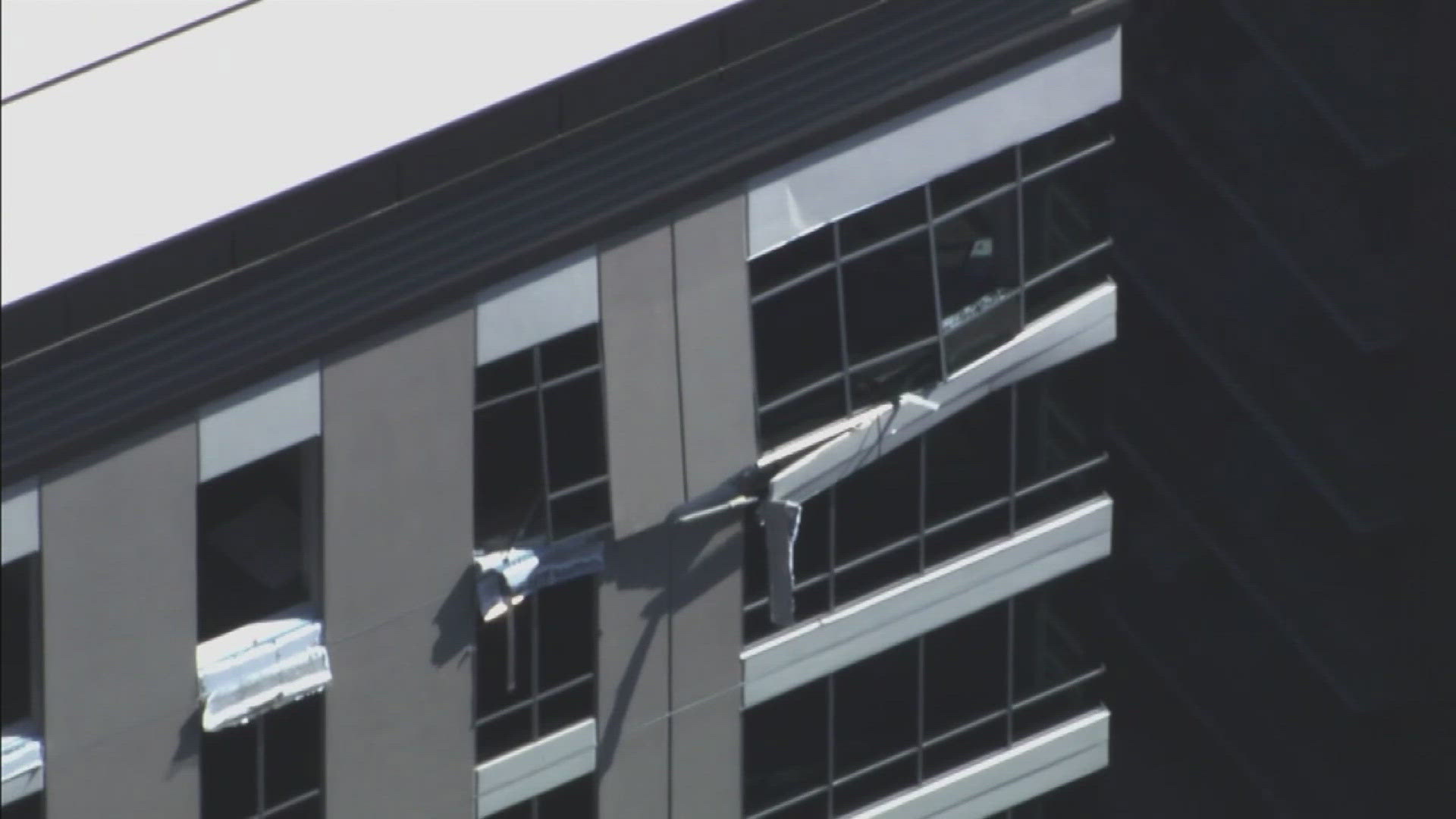
On Thursday, October 2, 2025, a major explosion shook downtown Houston, injuring six construction workers. The incident occurred at a hotel under construction at 1319 Texas Avenue, a 17-story building being developed by Neway Hospitality. Though the building was not yet open to the public, the explosion caused significant concern for both workers and residents in the surrounding area.
Background & Context: Construction and Safety in Downtown Houston
Houston’s downtown skyline has seen rapid growth in recent years, with numerous high-rise developments under construction. The explosion underscores the inherent risks associated with large-scale construction projects, especially in densely populated urban areas. Safety protocols are paramount, yet incidents like this highlight the need for constant vigilance and rigorous adherence to building and safety codes.
The affected building, planned to house a Holiday Inn Express and Staybridge Suites, is part of a larger effort to expand hospitality options in downtown Houston. The incident has raised questions about construction site safety, emergency preparedness, and the handling of specialized equipment like tankless water heaters, which were reportedly involved in the explosion.
The Core Story: How the Explosion Unfolded
Immediate Impact
The explosion originated from a bank of tankless water heaters on the 17th floor of the building. The blast inflicted thermal burns, lacerations, and cuts on the six workers, who were immediately transported to Memorial Hermann Hospital in the Texas Medical Center for treatment. Authorities reported that the building sustained structural damage, including buckling of exterior walls near the top of the construction.
Emergency Response
Emergency responders acted swiftly, closing Texas Avenue between Austin and Prairie Streets to facilitate their operations and ensure public safety. Firefighters and other first responders worked tirelessly to secure the site, prevent further damage, and provide medical attention to the injured workers. Their quick response likely prevented additional injuries and helped stabilize the scene.
Analysis & Implications: Construction Safety and Urban Risks
The explosion highlights the unique risks associated with high-rise construction in urban centers. Heavy machinery, electrical systems, and equipment like water heaters pose potential hazards if safety protocols are not rigorously enforced. In addition to immediate physical harm, such incidents can have long-term economic and operational impacts, delaying projects and increasing costs for developers.
This event also brings attention to emergency preparedness. Effective evacuation plans, rapid medical response, and clear communication channels are essential to minimizing harm during unexpected incidents. The explosion serves as a reminder for the construction industry to continuously evaluate and improve safety measures.
Local & Human Impact: Workers and Community
The injured construction workers face a challenging recovery, with potential long-term medical care and rehabilitation required depending on the severity of their injuries. Their families and coworkers are also affected, dealing with emotional stress and uncertainty about the recovery and future of the project.
For the surrounding community, the explosion was a stark reminder of the risks inherent in urban development. Residents and businesses nearby were temporarily displaced or inconvenienced due to road closures and emergency operations, highlighting the wider effects of such incidents beyond the immediate construction site.
Broader Trends & Lessons: Safety in Urban Development
Urban centers across the United States are seeing an increase in high-rise construction, driven by growing populations and commercial demand. As projects become taller and more complex, the potential for accidents like this one grows. Cities and construction companies must prioritize safety, enforce regulations, and implement robust training programs for workers to prevent similar events.
The Houston explosion is part of a broader conversation about workplace safety in the construction industry, emphasizing that investment in safety infrastructure is as critical as the physical construction itself.
What Happens Next: Investigation and Recovery
Authorities are currently investigating the cause of the explosion, examining whether equipment malfunction, human error, or other factors contributed to the incident. The building will likely undergo a thorough structural assessment before construction can resume.
Meanwhile, the injured workers will receive medical care, and the construction company will need to review safety protocols and implement any necessary improvements. Lessons learned from this event may influence safety standards for future high-rise projects in Houston and beyond.
Conclusion: A Wake-Up Call for Safety in Houston
The explosion at the Downtown Houston hotel is a sobering reminder of the importance of safety in urban construction. While the prompt response of emergency teams prevented further injury and contained the damage, the incident underscores the need for rigorous safety measures and proactive planning.
As Houston continues to grow and develop, incidents like this serve as a critical lesson for developers, city officials, and workers alike: safety must remain the top priority, not just for the protection of employees, but for the broader community that surrounds every construction site.