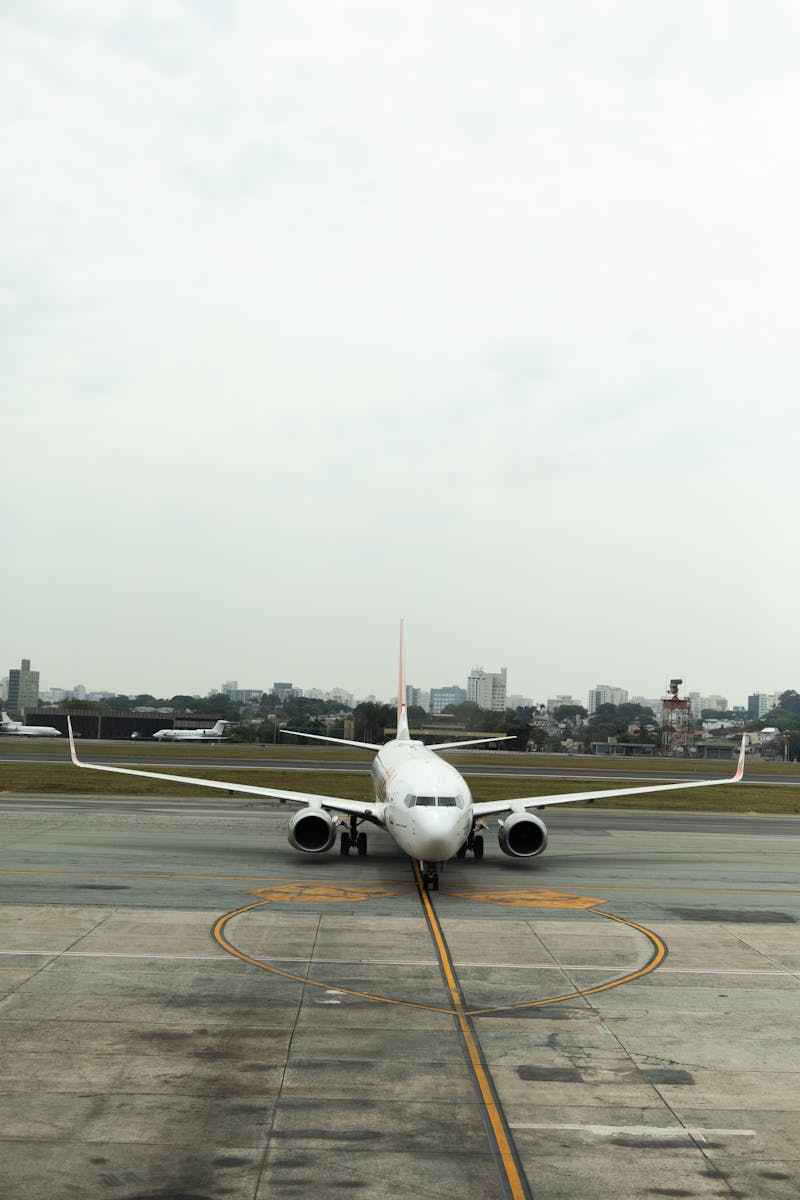
California Governor Gavin Newsom has sharply criticized former President Donald Trump and congressional Republicans after the Federal Aviation Administration (FAA) temporarily lost control of operations at Hollywood Burbank Airport, a critical regional air hub in Los Angeles County.
The lapse—caused by staffing shortages during the ongoing federal government shutdown—forced a partial suspension of flight operations and the diversion of incoming planes. Newsom, along with several federal and state leaders, called it an “avoidable crisis manufactured by political dysfunction.”
The situation underscores just how quickly a government shutdown can threaten infrastructure, safety, and the economy, particularly when vital agencies like the FAA are left scrambling to maintain staffing and essential operations.
What Happened at Burbank Airport
The FAA Staffing Lapse
The Hollywood Burbank Airport, also known as Bob Hope Airport, handles tens of thousands of flights each year—many of them short-haul routes connecting Southern California to major West Coast cities.
But early Monday morning, air traffic operations at Burbank were temporarily suspended when the FAA confirmed that there were no qualified controllers available to staff the control tower. Normally, such a situation is virtually unthinkable: federal regulations require certified controllers on duty during operating hours.
With the tower unmanned, incoming and outgoing flights were rerouted to nearby airports including Los Angeles International (LAX) and Van Nuys. Some pilots were able to operate under visual flight rules (VFR), but only under limited conditions.
What Led to the Shutdown
The government shutdown—triggered after Congress failed to pass a continuing resolution—forced thousands of federal employees into furlough, including key FAA staff. While “essential” personnel are typically exempt, overtime restrictions, budget freezes, and safety certification gaps have hampered staffing at multiple airports nationwide.
The shortage at Burbank was not the first sign of trouble: several smaller airports across the U.S. reported intermittent delays and tower understaffing in the days leading up to the incident.
Safety Impact
Fortunately, there were no collisions, crashes, or reported near-misses, but the lapse raised alarms throughout the aviation community. Even a brief period without air traffic control coverage can have cascading effects on flight safety, scheduling, and national airspace management.
Experts note that while pilots can operate without a control tower in small, low-traffic environments, doing so in a dense urban corridor like Los Angeles is dangerous and disruptive.
Newsom’s Response: “A Manufactured Crisis”
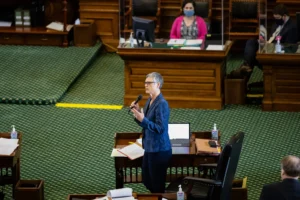
Speaking at a press event in Sacramento, Governor Gavin Newsom condemned the shutdown’s handling as “reckless and dangerous,” asserting that “this isn’t about politics—this is about safety and competence.”
He went further, accusing Donald Trump and his political allies of deliberately fostering instability in government operations:
“The chaos we’re seeing in California’s skies is a direct result of Washington’s dysfunction,” Newsom said. “This is what happens when politics comes before people. Air traffic control isn’t optional—it’s essential.”
Newsom’s comments reflect growing frustration among Democratic governors across the country who say federal uncertainty is hamstringing state-level planning and emergency response.
Broader Shutdown Fallout
FAA Operations Nationwide
The FAA, which employs more than 45,000 people, is among the hardest-hit agencies when government funding lapses. In the current shutdown:
-
Thousands of controllers are working without pay, creating morale and retention issues.
-
Training programs for new controllers have been suspended.
-
Maintenance and technology upgrades have been delayed.
-
Regional offices that handle safety inspections and airport certifications are operating with skeleton crews.
According to aviation experts, the United States already faces a critical shortage of air traffic controllers—a problem that predates the shutdown. The average controller is over 45 years old, and staffing pipelines are lagging.
A prolonged funding gap could exacerbate those shortages, extending travel disruptions long after the shutdown ends.
Economic Repercussions
California’s economy is particularly vulnerable. The state’s airports handle more than 200 million passengers annually and serve as logistical arteries for freight, tourism, and business travel. Even small operational hiccups can cost millions in lost productivity.
When the Burbank tower went dark, airlines faced rerouting costs, delays, and scheduling chaos. Local businesses that rely on air travel—hotels, car rentals, logistics firms—reported reduced traffic that day.
Passenger Frustration
At the terminal, travelers described confusion and delays as announcements informed them of diversions and cancellations. Some flights were delayed several hours; others were redirected entirely.
One passenger described the situation bluntly:
“It’s one thing to have a delay for weather. It’s another when the government just stops showing up for work.”
Political Fallout
Newsom vs. Trump
The FAA crisis became the latest flashpoint in the ongoing political feud between Governor Newsom and Donald Trump.
Trump, who has continued to position himself as a key influencer in Republican congressional negotiations, previously urged lawmakers to “hold firm” on budget demands, arguing that “Democrats will cave.” Newsom’s response was immediate:
“If you want to play political games, don’t do it with airplanes in the sky,” he said.
While Trump has not directly responded to Newsom’s remarks, several GOP lawmakers defended their position, saying spending restraint is necessary and that the FAA has contingency protocols for safety.
Broader Implications for 2026 Elections
Political analysts note that incidents like the Burbank tower lapse could shape voter sentiment ahead of the 2026 midterm elections. Infrastructure failures and shutdown fatigue often erode public trust in incumbents and polarize voters along accountability lines.
If the crisis deepens, Democrats may frame it as evidence of Republican irresponsibility; Republicans could counter that Democrats have mismanaged spending priorities.
Expert Analysis: “A Perfect Storm”
Aviation Safety Experts
Aviation policy specialists say the situation is unprecedented but not surprising.
“We’ve been warning for years that the FAA runs too close to the line,” said one retired controller from Southern California. “When a shutdown happens, there’s no slack in the system. All it takes is one sick call or furlough miscommunication to cripple an airport.”
Experts add that airports like Burbank—smaller than LAX but still high-traffic—are particularly vulnerable because they operate with lean staffing models and limited backup capacity.
Transportation Economists
Transportation economists warn that these disruptions have long-term effects. A single day of widespread delays can ripple through the entire aviation network, affecting freight deliveries, business schedules, and airline operating costs.
“The real impact isn’t just lost flights,” one economist said. “It’s lost confidence in the system.”
What Happens Next
Temporary Measures
The FAA has since reallocated personnel from nearby facilities to restore full operations at Burbank Airport. Controllers are now working on extended shifts to fill coverage gaps. However, these are temporary fixes that cannot be sustained indefinitely.
Pressure to End the Shutdown
Democratic and moderate Republican lawmakers are under growing pressure to pass a continuing resolution to reopen the government. Industry leaders, airline CEOs, and labor unions have issued joint statements warning that continued disruption could compromise safety and economic stability.
The Air Line Pilots Association (ALPA) has urged both parties to prioritize the FAA’s funding, saying, “The skies cannot be safe on shutdown budgets.”
Long-Term Lessons
This incident may lead to several long-term reforms, including:
-
Automatic funding mechanisms for critical agencies like the FAA during budget impasses.
-
Increased staffing reserves for essential infrastructure.
-
Improved crisis communication between the federal government and state-level agencies.
California’s Broader Response
Coordination with State Agencies
Governor Newsom has directed California’s Office of Emergency Services and Department of Transportation to coordinate closely with airport authorities to ensure contingency planning.
While states have little control over federal aviation policy, they can help mitigate impacts through:
-
Support for local law enforcement and first responders at airports.
-
Traffic management for diverted flights.
-
Crisis communication with passengers and businesses.
Political Messaging
Newsom has seized the moment to reinforce his broader argument that governance, not gridlock, defines leadership. His messaging fits into his national profile—part of a long-running feud with Trump that often transcends California’s borders.
Some observers suggest that this incident allows Newsom to position himself as a defender of public safety and stability at a time of national volatility.
Broader Context: Shutdowns and Infrastructure
History of Shutdown Impacts on Aviation
Government shutdowns have repeatedly exposed vulnerabilities in air travel infrastructure. During the 2018–2019 shutdown, for example, unpaid controllers called in sick en masse, forcing delays at major hubs like LaGuardia and Atlanta.
The FAA has since updated contingency plans—but those plans still depend on staffing levels that become unsustainable beyond a few days.
Systemic Vulnerabilities
The incident at Burbank reveals deeper systemic weaknesses:
-
Overreliance on overtime to cover shortages.
-
Aging workforce nearing retirement without replacements.
-
Underinvestment in modernization and automation technology.
-
Bureaucratic fragility, where funding interruptions immediately disrupt essential services.
Voices from the Aviation Community
Air Traffic Controllers
Controllers themselves expressed frustration but continued to show professionalism. One veteran controller said:
“We didn’t sign up to be political pawns. We signed up to keep people safe. But when Washington stops paying attention, it puts us all in danger.”
Airline Industry
Airline executives have called the situation “untenable,” with many pushing for bipartisan legislation that would exempt FAA operations from future shutdowns.
“Flying is a necessity, not a luxury,” one airline spokesperson said. “When the government can’t keep planes safe, passengers lose faith—and that hurts everyone.”
Passengers
Travelers affected by the Burbank disruptions described confusion and frustration but also sympathy for unpaid federal workers.
One passenger noted, “The people at the counter weren’t the problem—it’s the folks in D.C. who can’t get their act together.”
Economic and Political Stakes
California’s Aviation Economy
California is home to more than 30 public-use airports, contributing billions annually to state GDP through freight, tourism, and business travel. A single-day disruption at Burbank or any major hub can ripple through the supply chain, delaying shipments, stranding passengers, and undermining productivity.
National-Level Pressure
As national attention zeroes in on aviation safety, the FAA’s troubles may become the defining symbol of this shutdown. Financial markets, transportation unions, and the travel industry are already lobbying Congress to reach a deal.
The outcome could influence broader debates about infrastructure funding and government reliability, both central issues in upcoming elections.
Conclusion
The temporary loss of air traffic control staffing at Hollywood Burbank Airport wasn’t just a bureaucratic hiccup—it was a warning shot about the fragility of essential government functions.
Governor Gavin Newsom’s sharp criticism of Donald Trump and congressional Republicans reflects a growing frustration with how political brinkmanship can jeopardize public safety. Whether or not one agrees with his rhetoric, the facts remain: in an economy as complex and interconnected as America’s, even a single gap in air traffic coverage can have outsized consequences.
If there’s one lesson from this episode, it’s that governing responsibly is not optional. The skies above Burbank may be clear again—but the turbulence in Washington is far from over.