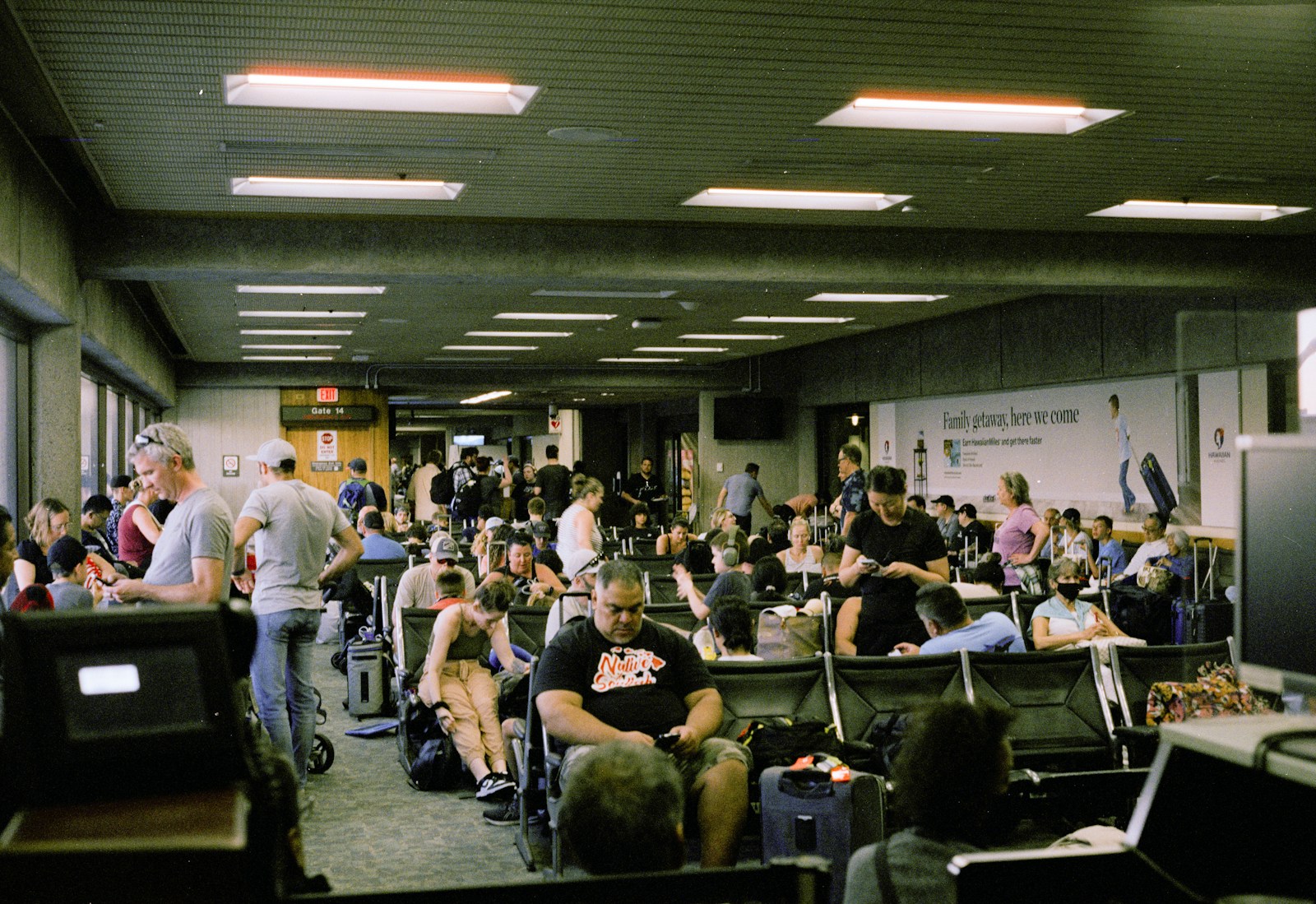
HOUSTON — November 8, 2025:
Thousands of Houston travelers woke up to fresh disruptions Saturday morning after the Federal Aviation Administration ordered airlines to cut flight operations at George Bush Intercontinental and William P. Hobby airports amid the ongoing federal government shutdown. The decision sparked long lines, delayed departures, and growing frustration among passengers and industry workers alike.
Nationwide Cuts Hit Houston Hardest
In a statement issued overnight, the FAA confirmed it had directed a 4 percent reduction in flight volume across 40 major airports, citing staffing shortages and reduced coordination capacity within the agency. Houston—home to two of the nation’s busiest hubs—was among the hardest hit.
At Bush Intercontinental (IAH), morning travelers reported cancellations across United Airlines’ domestic routes, while Hobby (HOU) saw multiple Southwest flights delayed or rerouted to Dallas. “It’s déjà vu from 2019, only worse,” said frequent traveler Angela Brooks. “Lines stretch from check-in to the door, and people are missing connections everywhere.”
Airlines Scramble to Adjust
United Airlines, which operates its second-largest hub at IAH, said it was reassigning crews and prioritizing long-haul flights to maintain essential routes. Southwest confirmed it would consolidate overlapping departures to reduce strain on air-traffic controllers working without pay.
The Houston Airport System urged patience. “We are working closely with airlines and the FAA to minimize impacts to travelers,” spokesperson Ryan Leal said. “Our priority is safety and timely communication. We recommend passengers check flight status frequently before heading to the airport.”
By midafternoon, roughly 70 departures and 95 arrivals were delayed across Houston’s two airports, according to the city’s aviation data dashboard.
Travelers Feel the Ripple Effect
Inside Hobby’s Terminal B, frustration boiled over. Families returning from business trips or college visits faced multi-hour waits to rebook. “The counter agents are doing their best, but nobody can give straight answers,” said traveler Jordan Esparza. “It’s the uncertainty that gets you.”
Airline staff say morale has dipped as well. “We’re flying on skeleton crews,” a gate agent confided. “When controllers are short, we can’t even push back on time. Everyone’s just burned out.”
Economic Impact and Local Response
Houston’s business community quickly voiced concern about the economic ripple effects. The Greater Houston Partnership estimated that sustained flight cuts could cost the region up to $6 million per day in lost productivity and travel-related spending.
Logistics experts also warned that airfreight backlogs might hit regional supply chains, particularly medical and energy sectors reliant on overnight shipments. “Houston is a distribution hub,” said aviation economist Douglas Wynn. “Even a small percentage cut cascades into real-world costs.”
City officials confirmed Mayor Sylvester Turner II has requested a briefing from FAA regional leadership to assess how long the restrictions will last.
Shutdown Strains Continue
The latest FAA directive stems directly from the broader federal government shutdown, now stretching into its second week. Critical aviation safety functions are still operating, but administrative and non-essential personnel remain furloughed. Air-traffic controllers are working mandatory overtime without pay, intensifying fatigue concerns.
“The skies remain safe,” FAA Administrator Polly Daniels said in Washington. “But to sustain safety, we must slow operations until staffing stabilizes.”
In Houston, that slowdown is painfully visible. Travelers are advised to check the FAA’s status portal or airline apps before leaving home and to prepare for extended security and boarding times through Sunday.
Community Patience Wears Thin
Local residents—many still recovering from weather-related travel headaches earlier this month—say they’re reaching their limit. “Between storms and shutdowns, Houston’s airports can’t catch a break,” said cab driver Hassan Ali, who works both terminals daily. “It’s hard on everyone—drivers, passengers, crews.”
Airport vendors, too, report steep declines in foot traffic, forcing temporary closures in some concourse shops.
What Comes Next
Industry analysts believe the situation could ease once Congress approves temporary funding, though few expect a breakthrough before early next week. For now, Houston travelers remain caught between federal gridlock and logistical chaos on the tarmac.
FAQ
Q: How long will the flight cuts last?
The FAA said the 4 percent reduction will remain “until further notice,” likely tied to shutdown negotiations.
Q: Are international flights affected?
Yes, select routes may experience re-timing, but long-haul operations are being prioritized.
Q: What can passengers do?
Check flight status frequently, arrive early, and rebook via airline apps instead of counters when possible.