Governor Greg Abbott has selected Robert Eckels to serve as Chair of the Texas Alcoholic Beverage Commission (TABC), effective immediately. Eckels will serve a term that runs through November 15, 2027, overseeing one of the state’s key regulatory bodies for alcohol sales, licensing, and compliance.
This appointment comes at a time when the Texas alcohol market is evolving rapidly, and the regulatory environment faces pressure from economic, social, and legal forces. Eckels’ background, experience, and priorities will shape how Texas manages licensing, enforcement, and oversight in the years ahead.
Who Is Robert Eckels?
-
Professional & Legal Standing
Eckels practices as counsel for the law firm Husch Blackwell LLP and serves as general counsel for Greffex, Inc. -
Political Experience
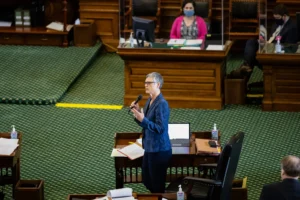
He served six terms in the Texas State Legislature, representing his district in state government. Later, he was elected County Judge of Harris County. -
Public Service & Advisory Roles
He has participated on advisory committees for the U.S. Department of Homeland Security and in roles connected with federal policy. -
Credentials & Affiliations
Eckels is a member of multiple state bars, including Texas, New York, Colorado, and the District of Columbia. He is a Certified Fraud Examiner and has held leadership roles in state and county associations, including chairing energy, environment, and land use committees. -
Community Involvement
He serves with nonprofits and civic organizations, from K-9 outreach programs to membership in local clubs.
His blend of legal, legislative, and executive experience gives him a deep understanding of regulation, governance, and local issues — credentials that align with the complexities of regulating alcohol in Texas.
What the Role Entails
The Texas Alcoholic Beverage Commission oversees nearly all aspects of alcohol regulation in the state, including:
-
Licensing of manufacturers, distributors, retailers
-
Enforcement of compliance, inspections, and penalties
-
Policy implementation — e.g., rules around permits, local option elections, Sunday sales
-
Overseeing regulatory adaptation in areas like craft breweries, wineries, and evolving retail formats
As chair, Eckels will set direction on enforcement priorities, regulatory modernization, interagency coordination, and balancing economic growth with public safety.
Implications & Priorities Under Eckels’ Leadership
Regulatory Modernization & Industry Growth
Texas’ alcohol sector has seen growth in craft breweries, distilleries, brewpubs, and new retail models. The commission under Eckels may require modernizing rules, streamlining licensing, or reducing red tape to support innovation while preserving controls.
Public Safety & Enforcement Emphasis
Balancing liberalization with enforcement will be crucial. Under Eckels, we may see increased focus on compliance audits, enforcement in problematic areas, and stricter oversight of violations — ensuring the market remains accountable.
Local Control & Political Pressures
Texas has multiple local control rules (e.g. wet/dry counties, local prohibitions). Eckels will need to manage tensions between statewide uniform regulation and local autonomy, especially in communities with varying views on alcohol sales.
Stakeholder Relations & Industry Engagement
He is likely to engage with industry associations, municipal governments, law enforcement, and public health advocates. Building trust across stakeholders will be important as the regulatory environment evolves.
Challenges & Risks Ahead
-
Balancing growth and enforcement: Too lenient regulation could invite abuse; too strict could stifle business development.
-
Policy shifts & legal challenges: Litigation may emerge over restriction changes, local authority, or permit decisions.
-
Public health concerns: As access increases, managing underage sales, DUI, and alcohol-related harms will remain priorities.
-
Political scrutiny: Decisions may become politicized. Eckels will need to maintain perceived fairness and integrity.
Why This Matters for Texans
Eckels’ leadership will affect:
-
How quickly new breweries or distilleries can open or expand
-
How easily retailers can navigate permitting and compliance
-
The balance between business opportunity and regulation in the alcohol sector
-
Local jurisdictions’ control over their alcohol environment
For consumers, changes in licensing or rules might impact cost, availability, and innovation in alcohol products across Texas.