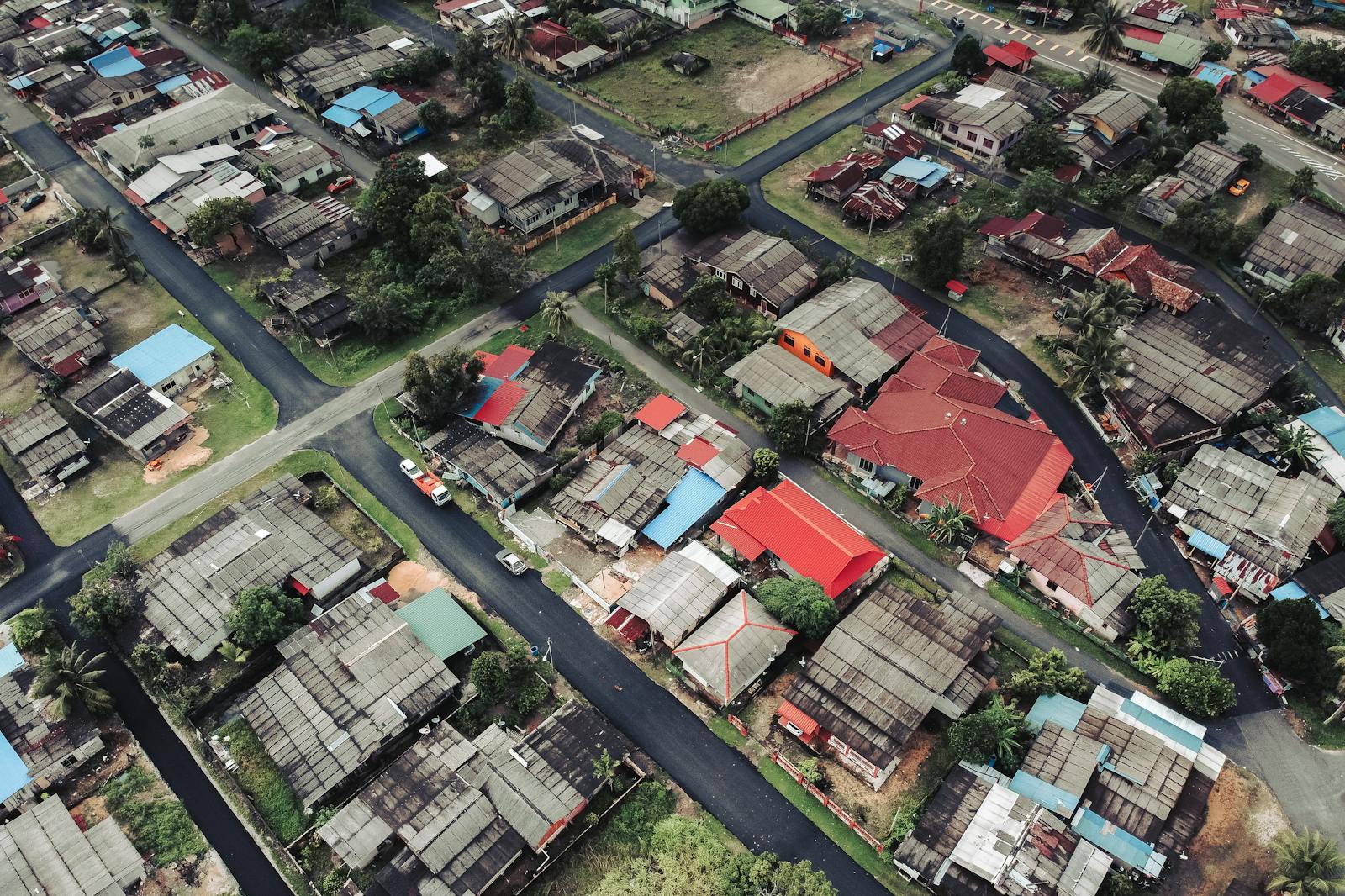
Last year, roughly one in five people in Houston were living at or below the federal poverty line — making it the largest U.S. city with the highest poverty rate, according to recent Census Bureau figures.
What the Numbers Reveal
-
Houston’s poverty rate in 2024 stood at about 21.1%, double the national average of 10.6%. ABC13 Houston+2Axios+2
-
More than 500,000 Houstonians are directly affected. Houston Chronicle+1
-
Child poverty is especially dire: nearly one in three children (those under 18) in Houston live in poverty. Houston Chronicle+2Axios+2
Why Houston’s Poverty Rate Remains High
Experts point to several contributing factors:
-
Many jobs in Houston are low-wage. Despite economic growth, there has been less increase in mid-career, higher-wage positions. ABC13 Houston+2Axios+2
-
Cost pressures are mounting: rent rises, stagnant wages, and high shares of income going toward housing. More than half of Houstonians are spending over 30% of their income on rent. ABC13 Houston
-
Lots of households just don’t have enough leftover income after essential expenses like lodging, utilities, food, and insurance. ABC13 Houston
How This Compares with Other Cities & Regions
-
Houston now leads among the 10 most populous U.S. cities in poverty rate, narrowly ahead of cities like Philadelphia (~19.7%) and New York (~18.0%) for overall poverty. Houston Chronicle+2KPRC+2
-
For child poverty, Houston’s rate of ~31.7% is also the highest among those major cities. Houston Chronicle
-
Across metro areas, the nine-county Houston region’s poverty rate (~14.4%) is among the worst when compared with other large metropolitan areas. Axios+1
What This Means for Residents
-
Even people working full-time jobs may struggle with basic living costs because higher-wage job opportunities are limited.
-
Rising housing costs and rent burdens mean many families must choose between essentials or are pushed into housing instability.
-
With many children growing up under these conditions, the risks include reduced access to nutrition, schooling, healthcare, and long-term economic mobility.
What City Leaders & Stakeholders are Saying
-
There is a call for more living wage jobs — those that pay enough to support housing, transport, medical care without severe trade-offs. ABC13 Houston
-
Policy discussions are leaning toward better tenant protections, stronger affordable housing development, wage growth, and support for neighborhoods where poverty is concentrated.
-
Some believe that while Houston is often celebrated for affordability relative to other large cities, that label can obscure real struggles for many households. The cost of essential services continues to squeeze budgets. Axios+1
Possible Paths Forward
-
Expanding sectors that offer higher wages: tech, advanced manufacturing, energy innovation.
-
Strengthening workforce development programs so residents can access training for those better-paying fields.
-
Reforming zoning, housing codes, and land use to build more affordable housing units and reduce rent burdens.
-
Increasing supports for low-income families — child care subsidies, food security programs, transportation access.
Conclusion
Houston’s elevated poverty rate isn’t just a statistic — it’s a daily reality for hundreds of thousands of residents. When over 20% of the population lives under these conditions, it touches everything: schools, health, public safety, housing, city budgets. The data makes clear that without targeted investments in higher-wage employment, housing affordability, and social infrastructure, the cycle of poverty will persist.
This moment demands action: policy, economic, and community leadership aligned to ensure that growing parts of Houston don’t simply survive—but thrive.