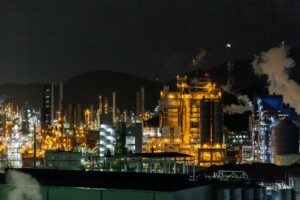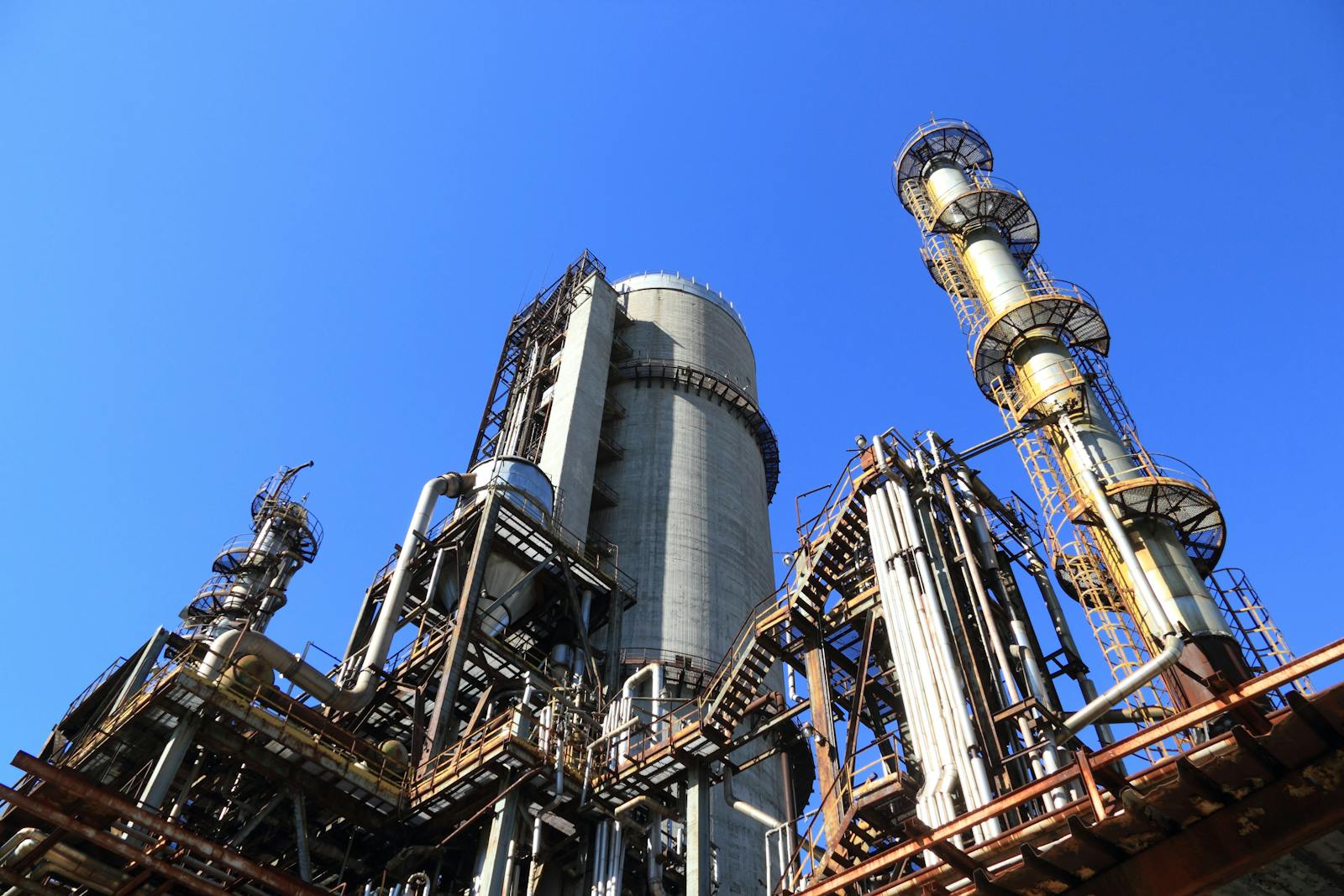
CPS Energy has struck a major deal to buy four natural-gas power plants for $1.4 billion in a move that could improve electricity reliability and shave a few dollars off customer bills. The plants are modern, already operating, and have capacity to generate 1,632 megawatts — enough for tens of thousands of homes during peak demand.
What’s in the Deal
-
The four natural-gas facilities are relatively new, built within the past one to four years.
-
Together, they add 1,632 MW of generation capacity, boosting CPS Energy’s ability to meet high demand periods.
-
CPS plans to integrate them into its existing infrastructure right away, rather than waiting on new builds.
Why It Could Mean Savings
-
Building new power plants typically costs much more, especially when factoring in construction, permitting, inflation, and lead times. By buying plants that are already running, CPS avoids much of those delays and cost overruns.
-
Estimates suggest the purchase could reduce customer bills by $2–$4 per month over the next 25 years.
Broader Strategy & Energy Goals
-
The acquisition aligns with CPS Energy’s long-term plan to modernize its power portfolio and phase out much older generation units.
-
The older plants being retired are less efficient and more costly to maintain and operate. The new units will help improve system efficiency.
-
CPS also sees potential in using cleaner fuel options, including blending natural gas with hydrogen where technically feasible, to reduce emissions over time.
Financial & Operational Considerations
-
Although the price tag is large, much of the cost is offset by lower capital expenditure compared to building new plants.
-
CPS Energy will need to take on additional debt this year to cover the acquisition, but officials expect that this will pay off over the long term via savings and higher reliability.
-
These plants will mostly come online during peak usage periods rather than running continuously like coal plants or baseload generators.
Impacts for Customers & Community
-
Increased reliability during high-demand times should reduce the risk of brownouts or emergency power purchases which often cost more.
-
Environmental impact is a mixed bag: natural gas emits less than coal, but it is still a fossil fuel. CPS has expressed intent to reduce emissions through hydrogen blending and retiring coal units.
-
The move can help stabilize rates for customers by reducing exposure to volatile fuel costs and project delays tied to new generation builds.
What to Watch Moving Forward
-
How CPS integrates and operates the newly acquired plants to ensure they deliver promised cost and reliability benefits.
-
Whether future policy or regulatory pressures push CPS toward even cleaner energy sources (solar, wind, storage) faster.
-
The pace at which old inefficient units are retired and what that means for emissions, maintenance costs, and system flexibility.
-
How customer bills actually change and whether rate forecasts reflect the savings potential.
Conclusion
This purchase represents a strategic pivot: favoring speed, reliability, and cost control over the long, expensive road of building entirely new power infrastructure. For customers, it has the potential to bring real savings and fewer power disruptions. If CPS manages implementation well, this move could mark a significant win — the kind that builds trust, improves service, and positions a utility for future challenges.